 WhatsApp Us Now
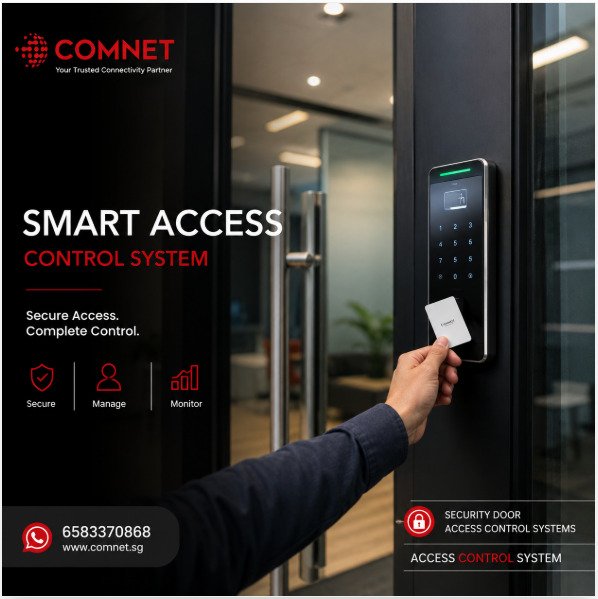
A warehouse can hold thousands of dollars’ worth of stock, machinery, tools and business-critical materials, but protecting these assets involves more than installing CCTV cameras at the loading bay. Warehouse operations often involve employees, delivery drivers, transport partners, temporary workers and external contractors moving through different parts of the facility throughout the day. Without clear access restrictions, it can become difficult to ensure that only authorised personnel enter inventory storage, equipment rooms and other sensitive areas. A suitable access control system helps warehouse operators establish a more organised way to manage entry while supporting the demands of daily logistics operations.
For Singapore businesses operating distribution centres, industrial facilities and storage premises, security measures must work alongside operational efficiency. Delivery schedules can be tight, inventory movements need to remain organised, and staff should be able to enter the areas required for their duties without unnecessary delays. A properly planned access control solution can help balance these priorities by defining access permissions according to job functions, facility zones and operational schedules.
Why Warehouse Security Needs More Than CCTV
CCTV cameras can provide valuable visual information, but they do not automatically prevent an unauthorised person from opening a door or entering a restricted storage area. If everyone can walk into the same rooms, the organisation may still face avoidable risks even when camera coverage is available. Combining suitable surveillance with controlled entry creates a more structured security arrangement.
An electronic access control system checks whether a user has an authorised credential before granting entry through a controlled door. Depending on the configuration, it can also record access events for later review by authorised personnel. These capabilities can support warehouse security procedures, although they should form part of a broader approach that includes staff training, visitor management, inventory controls and incident response planning.
Protect High-Value Inventory and Restricted Storage Areas
Not every warehouse zone contains the same type of inventory or presents the same level of security risk. General storage areas may accommodate regular picking activities, while high-value stock, spare parts, controlled materials or sensitive equipment may require more restrictive entry arrangements. Identifying these differences helps management determine where access control will provide the greatest practical value.
Suitable security door access control systems can restrict designated rooms, cages, stock areas and equipment storage spaces to approved personnel. Permissions can be assigned according to operational responsibilities, reducing unnecessary access while allowing authorised workers to complete their tasks. Management should review these permissions periodically to ensure they remain appropriate when employees change roles or contractors finish their assignments.
Control Access to Loading Bays and Service Entrances
Loading bays and service entrances can experience frequent movement from drivers, delivery personnel, maintenance teams and warehouse employees. These areas are important to operational efficiency, but they may also create security challenges when responsibilities and entry procedures are unclear. A planned access policy helps distinguish between routine operational access and entry into more restricted parts of the facility.
Depending on the site layout, an access control installation may be appropriate for selected staff entrances, internal doors, equipment rooms or other controlled access points. Vehicle gates, dock doors and pedestrian doors may require different technologies and should not be assumed to operate through the same system. A site assessment can determine which access points should be controlled electronically and which require other security measures.
Selecting the Right Access Control System for a Warehouse
Warehouse environments can be more demanding than conventional offices because of dust, temperature variations, frequent door use, vehicle movements and the need to keep operations running during installation. Equipment selection should therefore reflect the actual conditions of the facility rather than relying solely on the features advertised by a supplier.
Consider the Operating Environment
Readers, locking hardware and control equipment must be suitable for their intended locations. A reader installed at an exposed external entrance may need different environmental protection from a device located inside an air-conditioned office. Door frequency, physical mounting conditions and the availability of suitable power and cabling should also be considered.
The assessment should include existing doors, pedestrian routes and emergency exits. Some industrial doors may require specialised hardware or coordination with existing machinery and building systems. Any proposed changes to fire-rated doors or escape routes must preserve required safety functions and comply with applicable requirements.
Choose Practical Credentials for Warehouse Staff
Access cards can be useful where employees move between designated zones and need a straightforward method of authentication. PIN-based entry may suit selected locations, while biometric or mobile credentials may be considered where their benefits justify the additional requirements. The final choice should take into account user convenience, security needs, equipment compatibility and the cost of administration.
Warehouse operators should also consider how credentials will be issued to temporary workers and external contractors. A clear process for approving, issuing, collecting and deactivating credentials helps reduce the risk of outdated access permissions remaining active. Shared credentials should be avoided where individual accountability is important, because they can make it harder to determine who entered a controlled area.
Plan for Multiple Doors and Future Expansion
A facility may begin with a few controlled entrances and later expand its storage capacity or operational zones. Choosing a system that supports the anticipated number of doors, users and management requirements can reduce the complexity of future upgrades. Businesses should confirm system capacity, software licensing and compatibility before deciding on the initial configuration.
For larger operations, centralised administration may simplify the management of access permissions across several controlled doors. Depending on the selected platform, authorised administrators may be able to manage users and review access events through a shared interface. The available functions should be confirmed against the warehouse’s actual operating requirements rather than assumed to be included in every system.
Access Control System Installation for Industrial and Logistics Facilities
A professional access control system installation starts with understanding the warehouse’s workflow, security priorities and infrastructure. The installation team needs to know which doors require controlled access, how staff and visitors move through the site, and whether existing equipment must be retained or integrated. This information helps establish a realistic project scope and reduces the likelihood of operational disruption.
Step 1 — Conduct a Warehouse Site Assessment
The site assessment should identify the main entrances, staff access points, restricted storage areas, service rooms and other locations that may require electronic control. The installer should also consider the number of users, operating hours, shift arrangements and the procedures used for temporary access. These details help determine the number and type of access points required.
Operational planning is particularly important in a warehouse where closing an entrance can interrupt deliveries or affect staff movement. Installation activities may need to be scheduled around loading periods, shift changes or other critical operations. Clear communication between the installer and warehouse management helps coordinate the work more effectively.
Step 2 — Design the Hardware and Access Permissions
After the assessment, the proposed design should identify suitable readers, electronic locks, controllers, cabling and management software. Each controlled door must be assessed individually because its construction, function and safety requirements may affect the choice of hardware. Where network connectivity or integration is required, the relevant technical requirements should be confirmed before work begins.
The access policy should then define which user groups can enter each area and under what conditions. For example, general warehouse staff may require access to picking zones, while only designated personnel may enter a high-value storage room. Clear permissions make the system easier to administer and provide a consistent basis for future reviews.
Step 3 — Install, Configure and Test the System
Installation may involve mounting readers, fitting compatible locking hardware, running cables and configuring the control equipment. User credentials and access schedules should be set up according to the approved design, with administrative access restricted to authorised personnel. Where the warehouse operates around the clock, testing and installation schedules should be planned to minimise disruption.
The commissioning process should verify that authorised users can enter the correct areas and unauthorised credentials are rejected. Testing should also cover the intended door behaviour, relevant access records and emergency release arrangements. The system should not be considered ready for use until its operation and safety requirements have been checked and the responsible personnel understand the handover instructions.
Can Warehouse Access Control Work With CCTV and Other Systems?
Many warehouse operators want to connect physical access management with other security technologies to improve visibility across their facilities. Depending on compatibility, an access control system may integrate with CCTV, alarm systems or selected building management platforms. This can help authorised personnel review relevant access events alongside other security information when investigating an incident.
However, integration capabilities vary between products, software platforms and system configurations. Before approving the project, warehouse management should define the intended functions, such as reviewing access events alongside video footage or receiving notifications for selected events. This avoids paying for integrations that do not meet operational needs and allows the installation team to identify technical limitations early.
Maintaining Warehouse Security After Installation
Even a well-designed access control system can become less effective if its permissions are not maintained. Employees may change roles, temporary workers may leave and contractors may complete projects without their access credentials being deactivated promptly. Regular reviews help ensure that permissions continue to reflect actual operational responsibilities.
Warehouse management should establish a process for reporting lost credentials, updating user records and reviewing access rights when staffing arrangements change. Preventive maintenance should also address the relevant readers, locking hardware, power supplies, network connections and software updates. These measures support more dependable operation and help identify potential problems before they interrupt warehouse activities.
Why Consider COMNET for Warehouse Access Control?
Industrial and logistics facilities require security solutions that account for physical infrastructure, operational workflows and the practical demands of daily use. COMNET provides ICT infrastructure and electronic low-voltage integration services, including physical access control solutions, installation and related support. Businesses can discuss their warehouse layout, access requirements and infrastructure considerations when evaluating a suitable configuration.
For warehouse operators, the objective is not simply to install electronic locks. It is to create a manageable system that supports authorised movement, protects selected areas and fits the facility’s operating procedures. Proper planning, suitable equipment, systematic testing and clear administrative responsibilities all contribute to a more useful long-term security arrangement.
Frequently Asked Questions
Is an access control system suitable for an industrial warehouse?
Yes. A suitable system can control entry to designated staff entrances, restricted storage rooms, equipment areas and other selected access points. The final configuration depends on the warehouse layout, environmental conditions, door hardware and security requirements.
Can different warehouse employees have different access permissions?
Yes, where supported by the selected system. Permissions can be configured according to job roles and operational responsibilities, helping prevent unnecessary access to restricted areas. Administrators should review permissions whenever staffing or work assignments change.
Will installation disrupt warehouse operations?
The level of disruption depends on the number of doors, cabling requirements, installation complexity and the warehouse’s operating schedule. A site assessment and agreed installation plan can help coordinate the work around critical activities and minimise unnecessary downtime.
Protect Your Warehouse Operations With COMNET Access Control Solutions
Your warehouse holds more than inventory; it supports customer commitments, delivery schedules and the daily operations that keep your business moving. A well-planned access control system can help restrict entry to important areas, improve access administration and support more consistent security procedures across your facility. Investing in the right solution also gives your team a clearer framework for managing employees, contractors and other authorised users.
If you are planning a new warehouse, expanding a distribution facility or upgrading existing security door access control systems, COMNET can help you explore the options for your premises. Visit COMNET Physical Access Control Systems to learn more and enquire about access control system installation in Singapore. Contact COMNET to discuss your warehouse requirements and take the next step towards a more controlled, organised and operationally practical security environment.


