 WhatsApp Us Now
Many homes, shops, offices, warehouses, and industrial facilities still rely on older CCTV systems because their existing cabling and recording equipment remain functional. Replacing an entire surveillance installation can be expensive and time-consuming, especially when cables have already been installed throughout a building.
HD analog technology provides a practical way to improve an older CCTV setup without necessarily replacing every component at once. It can deliver higher-resolution video while continuing to use familiar coaxial cabling and an appropriate digital video recorder. This makes HD analog technology particularly useful for organizations that want to modernize surveillance gradually.
Understanding how this technology works, where it can be used, and which factors should be considered before upgrading can help users make better decisions about their existing CCTV infrastructure.
What Is HD Analog Technology?
HD analog technology is a surveillance technology designed to transmit high-definition video over traditional coaxial cable. Unlike older standard-definition analog systems, modern HD analog solutions can provide significantly clearer images and greater detail.
Depending on the selected technology and equipment, HD analog systems can support different resolutions and features such as improved night performance, wide dynamic range, motion detection, and extended transmission distances.
The major advantage is that users can often upgrade cameras and recorders while retaining existing cabling. This reduces installation work and can make the transition from an older surveillance system more manageable.
Why Upgrade a Legacy CCTV System?
A legacy CCTV installation may continue to operate reliably, but older cameras often produce limited image detail. Faces, license plates, product labels, and other important objects may be difficult to identify when footage is recorded at low resolution.
Upgrading to HD analog technology can improve the quality of recorded video without requiring a complete infrastructure replacement. Existing coaxial cables can potentially remain in use if they are in suitable condition.
This approach is particularly useful for businesses that cannot afford extended downtime. Instead of removing the entire surveillance system, cameras can be replaced in stages according to priority.
For example, entrances, cash counters, parking areas, loading zones, and other important locations can be upgraded first. Less critical areas can remain on the existing system until a later stage.
Benefits of HD Analog in Existing Installations
One of the primary advantages of HD analog technology is its compatibility with established surveillance infrastructure. Existing coaxial wiring can often be reused, reducing the need to install new network cables throughout a property.
Another benefit is improved image quality. Higher-resolution cameras can provide more useful details than older standard-definition equipment, helping security personnel review incidents more effectively.
HD analog systems can also offer a straightforward installation process. Technicians who are already familiar with traditional CCTV installations can generally work with the same basic cabling principles, power arrangements, and recorder-based architecture.
The technology can therefore be an effective middle ground between maintaining an outdated system and completely replacing it with a network-based surveillance solution.
Choosing the Right Cameras for an Upgrade
Selecting suitable cameras is an important part of an HD analog upgrade. Different areas of a property require different camera specifications.
For outdoor locations, weather-resistant cameras with suitable infrared or low-light capabilities may be necessary. Indoor areas may require compact cameras with appropriate viewing angles and image performance.
The term security cameras covers a wide range of equipment, so users should not select cameras based solely on resolution. Lens type, sensor performance, lighting conditions, field of view, mounting position, and environmental conditions can all affect the final results.
A camera with a high resolution may still produce poor footage if it is installed in the wrong position or exposed to challenging lighting conditions.
Improving Nighttime Surveillance
Nighttime monitoring presents different challenges from daytime surveillance. Insufficient lighting, strong reflections, shadows, and moving objects can affect image clarity after dark.
A suitable night camera can help address these conditions by using infrared illumination, enhanced low-light sensors, or other technologies designed for nighttime monitoring.
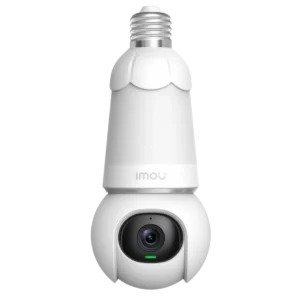
When upgrading an older CCTV system, it is important to examine existing nighttime footage before selecting replacement cameras. This can reveal whether the main problem is insufficient illumination, poor camera positioning, limited dynamic range, or outdated imaging technology.
For areas with mixed lighting, cameras with stronger exposure control and wide dynamic range can be particularly useful. These features can help maintain usable details when bright lights and darker areas appear within the same scene.
Understanding the Importance of the Recorder
Upgrading cameras without checking the recorder can lead to compatibility problems. An HD analog camera needs a compatible recorder capable of receiving, processing, and recording its video signal.
Before purchasing replacement equipment, users should verify the recorder’s supported video formats, resolution capabilities, channel capacity, storage options, and available features.
If only a few cameras are being upgraded, a compatible hybrid or multi-format recorder may allow older and newer cameras to operate together. This can support a gradual migration rather than forcing the entire system to be replaced immediately.
Storage requirements should also be considered because higher-resolution video can require more storage space. Recording duration, frame rate, compression settings, and the number of active cameras all influence storage requirements.
Evaluating Upgrade Costs
Budget planning should consider the complete upgrade rather than focusing on the cost of individual cameras.
When planning an analog surveillance upgrade, the analog CCTV camera price should be assessed based on the intended application, installation environment, required coverage, and overall system compatibility rather than the purchase cost alone.
It is also important to account for recorders, power supplies, connectors, storage devices, installation work, maintenance, and potential cable replacement.
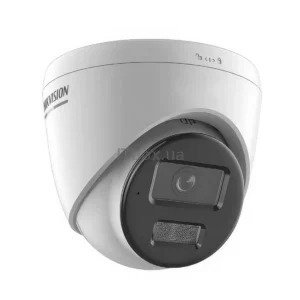
A phased upgrade can help distribute costs over time. Critical areas can receive upgraded equipment first, while functioning older cameras continue operating in locations where high-definition video is less essential.
Using Wide-Angle Coverage Effectively
Some locations require broader coverage than a conventional fixed camera can provide. Large rooms, retail floors, open yards, reception areas, and other wide spaces may benefit from cameras designed with a broader field of view.
An 180 degree analog camera can provide an extremely wide viewing area when the application and camera design are appropriate. Such coverage can reduce the number of cameras required in certain environments while helping minimize blind spots.
However, wide-angle coverage should be planned carefully. A broader field of view can distribute image detail across a larger area, so users should consider the required identification distance and viewing objectives before selecting this type of camera.
Camera height, mounting angle, lighting, and the distance between the camera and important activity should all be evaluated during installation.
Reusing Existing Cabling
One of the strongest reasons to consider HD analog technology is the potential to reuse existing coaxial infrastructure.
Before reusing old cables, technicians should inspect their condition and check for physical damage, loose connections, moisture exposure, signal interference, or poor-quality connectors. Cable quality can have a direct effect on video performance.
If existing wiring is damaged or unsuitable, replacing individual cable sections may be necessary. This is still potentially less disruptive than completely redesigning a surveillance network.
Proper cable management should also be maintained during the upgrade. Clearly labeling cables and documenting camera locations can make future maintenance much easier.
Planning a Gradual Migration
A complete CCTV replacement is not always necessary. A phased approach can provide a practical path toward modernization.
Start by identifying locations where existing footage is insufficient. Entrances, security gates, payment areas, storage rooms, and external boundaries are often good candidates for early upgrades.
After replacing cameras in priority locations, evaluate the results and determine which areas require further improvements. This approach allows businesses and property owners to manage costs while progressively improving surveillance performance.
It also provides an opportunity to identify compatibility issues before larger portions of the system are upgraded.

