 WhatsApp Us Now
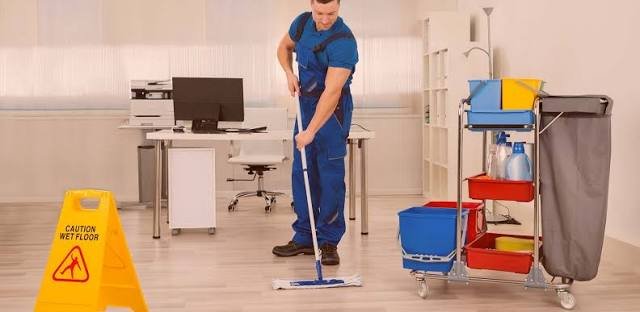
You wipe the counters every night. Vacuum once a week. Looks fine. Then the sneezing starts. Air feels heavy in the morning. Throat gets scratchy for no reason. That’s not random. That’s the stuff regular cleaning never reaches.
Deep cleaning goes after the invisible layer that builds up over months. That layer changes how healthy your home actually feels.
Most of us put in about 37 minutes a day on housework. Over a year it turns into hundreds of hours. Still, the average person only feels their place is completely clean for about 11 days out of 365. Looking clean and being healthy are two different things.
What’s really in your house
Dust isn’t just dust. Dead skin. Pet dander. Dust mite droppings. Pollen that came in on clothes. Tiny fibers from everything. Adults shed about 1.5 grams of skin every day. That feeds dust mites. Those tiny bugs live in mattresses, sofas, carpets. Their waste sets off allergies and asthma for a lot of people.
Pet dander floats and settles everywhere. No pets? Guests still bring it in. Outside particles stick to shoes and clothes. Once inside they land on high surfaces, in vents, under furniture. Regular wiping just moves some of it around. Doesn’t clear what’s been building for months.
Bathrooms and kitchens add their own mess. Moisture and food residue create spots where bacteria hang on. Soap scum and grease films hold germs longer than clean surfaces do. You can’t see most of it. Your body still reacts.
How deep cleaning actually helps
A real deep clean hits the places that hold the problem. Baseboards. Ceiling fan blades. Inside vents. Under sofas and beds. Behind the fridge and stove. Grout lines. Mattress surfaces. Those are the reservoirs.
When you or a pro go after those spots, the total allergens and particles drop. People with allergies often feel it in a few days. Fewer morning sneezes. Less congestion. Eyes that don’t itch as much.
Air gets better too. Dust in vents gets blown around every time the system runs. Cleaning the vents and changing filters stops that. The air moving through the house carries less of the stuff that bothers lungs and noses.
Soft surfaces are the big ones
Mattresses and sofas pull in allergens like magnets. You spend hours against them. Skin cells, sweat, dust mites collect deep in the fabric. A quick vacuum on top doesn’t reach the middle.
Deep cleaning means strong suction and the right tools. Baking soda left to sit then vacuumed up pulls more out. Hot water for all the bedding kills more mites than cold water. Covers on mattresses and pillows keep what’s left trapped.
Rugs and carpets hold the same stuff. Dirt and dander sink into the pile. Regular vacuuming gets the surface. Deeper cleaning removes what’s buried. You notice how the room smells and feels right away.
Kitchens and bathrooms matter for health
These rooms deal with constant moisture and organic stuff. Grease films on stove tops and range hoods hold particles. Sink drains and disposals collect residue that smells and feeds bacteria. Deep cleaning cuts through that film and sanitizes the surfaces people touch every day.
Bathrooms are wetter. Grout lines and caulk joints trap soap scum and moisture. Perfect for mildew. Exhaust fans get coated with dust that cuts airflow. When the fan doesn’t work right, moisture hangs around longer and problems grow.
Scrubbing the hard spots, cleaning fan covers, wiping every fixture lowers the bacterial load. Room stops feeling sticky. Air stops smelling off. Matters if you use the space every day.
The cycle nobody watches
Dust settles. You walk across a carpet or sit on the sofa. Particles rise. You breathe them. They settle again. Happens all day. Deep cleaning breaks it by removing the places where the particles live.
Allergy people keep saying the same things. Vacuum with a HEPA filter. Wash bedding weekly in hot water. Cut clutter that collects dust. Those help. The biggest reset still comes from the thorough work under furniture, inside vents, and deep in soft surfaces.
Homes with kids or pets need it more often. Kids play on floors and put things in their mouths. Pets shed nonstop. Particle load climbs faster. Allergy households feel the benefit even clearer.
What happens when you let it go
The load keeps growing. Dust mites multiply. Pet dander piles up. Outside particles keep coming in. HVAC keeps circulating whatsoever in the vents. Soft surfaces hold more and more.
Symptoms creep in. More morning sneezes. Congestion that sticks. Kids catching every cold. Adults feeling tired for no clear reason. House still looks clean enough. Air and surfaces tell a different story.
A lot of people notice it most after a trip. Closed-up house smells musty. That’s the buildup. A deep clean after travel or after a long stretch without one resets everything.
How the benefit shows up day to day
Some people sleep better. Bedroom has less dust and fewer mites in the mattress. Congestion eases. Breathing feels clearer at night.
Allergy flare-ups during high pollen seasons hit less hard. Indoor load is already lower so the outdoor pollen doesn’t push the total as high.
Sensitive skin or asthma gets less irritation. Fewer airborne particles and surface allergens mean the body has less to react to.
There’s also that general feeling the house is fresher. Hard to measure. Easy to notice. You walk in and the air doesn’t feel heavy. Surfaces don’t leave a film on your hands. That sense of cleanliness lines up with lower particle counts.
How often you need the reset
Most homes do well with a full deep clean every three to six months. Quiet adult places with hard floors can stretch longer. Homes with pets, kids, or allergies benefit from every two to three months.
Between those full sessions the weekly surface work still counts. Vacuum the busy zones. Wipe counters. Change bedding regularly. Keeps the load from climbing too fast. Then the deep cleans become a real reset instead of a huge rescue job.
Tools that actually help
A vacuum with a HEPA filter traps fine particles instead of blowing them back out. Microfiber cloths pick up more dust than paper towels or regular rags. Hot water for bedding makes a real difference against mites. Baking soda on mattresses and carpets helps pull odors and particles before you vacuum.
Focus on the reservoirs first for the biggest impact. Mattresses. Sofas. Vents. Baseboards. Under furniture. Those spots hold the highest concentrations. Cleaning them does more for air quality and allergen levels than polishing counters that already look okay.
What you feel when it’s done
After a proper deep clean the house doesn’t just look better. It feels different. Air moves cleaner. Soft surfaces don’t kick up the same cloud when you sit. Bathrooms lose that faint damp smell. Kitchens stay less sticky for days.
People with allergies notice it first. Morning congestion eases. Tissue box gets used less. Sleep improves for some. Kids who used to wake up stuffed up start breathing easier.
Even people without diagnosed allergies often say the house just feels healthier. That’s the particle load dropping. That’s the bacterial count on surfaces going down. That’s the moisture and residue in damp spots getting cleared. Regular cleaning keeps the visible mess under control. lakeland Deep cleaning resets the invisible one. Together they create a home that supports better breathing, fewer irritations, and a general sense of feeling good in your own space. Do the deep work every few months and the health benefit builds.

