 WhatsApp Us Now
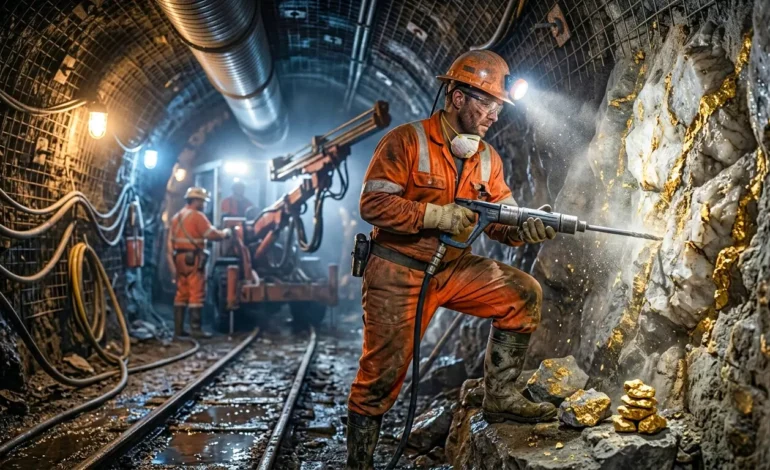
Gold can lie deep below the ground. In some areas, the deposit is too deep for an open-pit mine. In other areas, gold runs through narrow rock veins. Because of this, miners may need to work below the surface.
Underground gold mining uses shafts, tunnels, ramps, drills, and mining machines. However, every gold deposit is different. So, miners must choose a method that fits the deposit.
The shape of the ore body matters. Rock strength also matters. Depth, gold grade, cost, and safety also affect the choice.
How Miners Choose a Mining Method
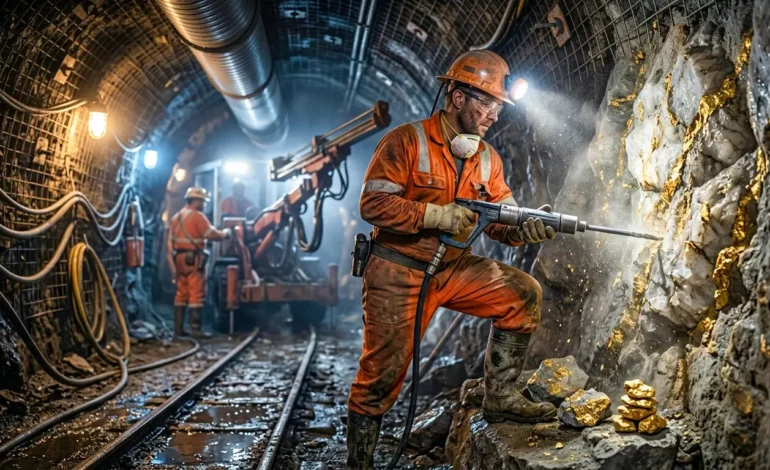
The process starts with geological studies.
First, geologists study rock samples and drill cores. They also use maps and survey data. This helps them find the gold-bearing areas.
Next, engineers study the ore body. They look at its size, shape, and depth. They also check the rock around it.
Safety is another key factor. The mine needs stable tunnels and safe access routes. It also needs good air flow and emergency systems.
Cost matters too. A mining method may work well but cost too much. Therefore, engineers must find a balance between safety, production, and cost.
Cut-and-Fill Mining
Cut-and-fill mining works well in narrow or uneven ore bodies.
First, miners remove one section of ore. Then, they fill the empty space with rock or another suitable material.
The fill supports the ground. After that, miners can work on another section.
This method gives miners good control over the ore. It can also reduce waste.
However, cut-and-fill mining can take more time. It may also need more workers and equipment.
Sublevel Stoping
Sublevel stoping uses several levels inside a mine.
Miners first create access points around the ore body. Next, they drill holes into the rock.
They then place explosives in the holes. Controlled blasts break the ore into smaller pieces.
After the blast, loaders collect the broken ore. Trucks or other systems then move it through the mine.
This method can produce large amounts of ore. However, it works best when the ore body has a suitable shape and the surrounding rock is strong.
Longhole Mining
Longhole mining uses special drilling machines.
These machines drill long holes into the ore. Miners then place explosives inside the holes.
After the blast, large sections of ore break apart. Loaders can then collect the material.
This method can help mines move large amounts of ore. It can also reduce the need for some underground openings.
Still, drilling must be accurate. Poor drilling can break waste rock instead of valuable ore. As a result, the mine may lose gold and increase its waste.
Room-and-Pillar Mining
Room-and-pillar mining creates open spaces called rooms.
Miners leave sections of rock between the rooms. These sections form pillars.
The pillars help support the mine roof and surrounding rock. Therefore, engineers must design them with care.
There is a simple challenge here. Leaving too much rock can reduce gold recovery. Removing too much rock can weaken the mine.
Because of this, engineers must find the right balance between recovery and safety.
Why Selective Mining Matters
Gold does not spread evenly through every deposit.
For example, one section may have a high gold grade. A nearby section may have very little gold.
If miners remove too much waste rock, they may lower the grade of the ore. The processing plant then has to handle more material for the same amount of gold.
Selective mining helps solve this problem.
Miners try to follow the valuable part of the deposit. This can reduce waste and improve the quality of the ore.
This method is useful for narrow gold veins. In these deposits, the gold zone can sit between large areas of waste rock.
Technology in Modern Gold Mines
Modern technology has changed underground mining.
For example, new drilling machines can improve accuracy. Remote-controlled loaders can also work in areas that may not be safe for people.
Digital mine maps give engineers better information. Sensors can also track air quality, ground movement, and equipment.
In addition, some mines use automated systems to improve daily operations.
These tools cannot remove every risk. However, they can help mining teams make better decisions and work more safely.
From Underground Mining to Gold Processing
Mining does not end when miners break the ore.
First, the mine needs access to the deposit. Engineers may build a shaft, a ramp, or a decline.
Next, miners drill and blast the ore. Machines then load the broken rock and move it through the mine.
Eventually, the ore reaches the surface. It then moves to a processing plant.
At the plant, machines crush and grind the ore. Other methods then help separate gold from the waste rock.
For a full look at the process, including mine development, drilling, blasting, hauling, ventilation, and processing, read this detailed guide to underground gold mining.
Choosing the Right Mining Method
There is no single method for gold mining underground.
One deposit may need selective mining because its gold vein is narrow. Another may support a larger method because the ore body is wide and stable.
Therefore, engineers look at many factors before mining starts. They consider geology, safety, cost, gold grade, and expected recovery.
In the end, underground mining is a careful process. Miners must reach the deposit safely. They must also recover valuable ore while keeping waste and costs under control.


