 WhatsApp Us Now

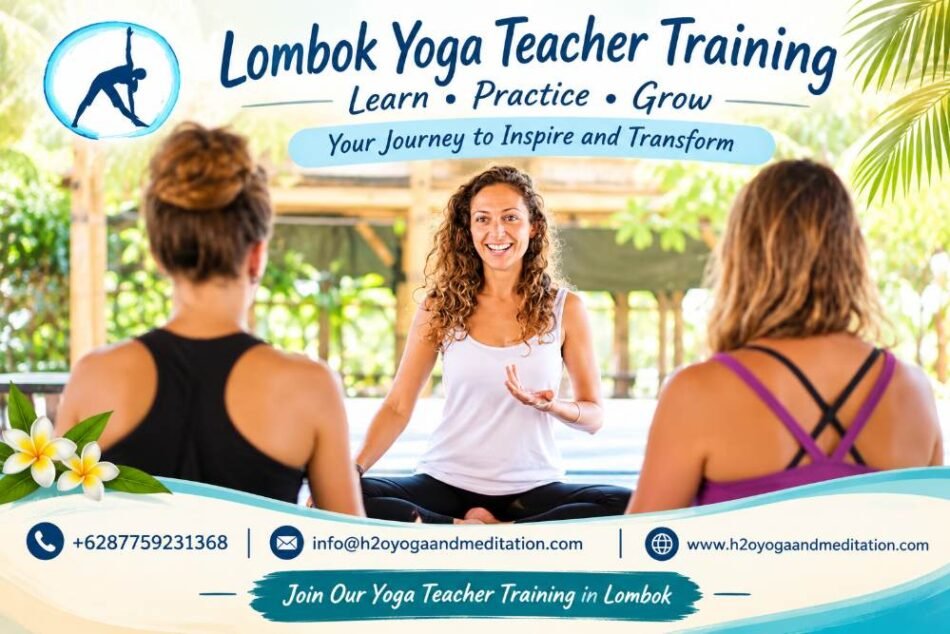
Choosing to become a yoga teacher involves more than learning physical postures. It requires dedication, self-awareness, discipline, and a deeper understanding of yoga philosophy. Lombok Yoga Teacher Training offers aspiring instructors an opportunity to develop their personal practice while gaining the knowledge and practical skills needed to guide others. For students from the USA, UK, Australia, and other countries, training in Lombok, Indonesia, also provides an opportunity to experience a different culture and study yoga in a peaceful tropical environment.
At H2O Yoga and Meditation Center, students can explore yoga, meditation, and holistic wellness while building a foundation for their teaching journey. Understanding what to expect before enrolling can help you prepare for the experience and make informed decisions about your training.
Building a Strong Foundation in Yoga
A typical yoga teacher training program introduces students to the principles and practices that support a well-rounded yoga education. Whether you have practiced yoga for several years or want to deepen your understanding, the training helps you explore different aspects of the discipline.
Students generally study:
- Asana practice: Learn yoga postures, alignment, modifications, and sequencing.
- Pranayama: Explore breathing techniques that support awareness and concentration.
- Meditation: Develop mindfulness through guided and independent meditation practices.
- Yoga philosophy: Understand traditional yoga teachings, ethical principles, and the history of yoga.
- Anatomy: Study how muscles, joints, and body systems work during yoga movements.
These subjects help students understand yoga beyond physical exercise and develop a more thoughtful approach to their practice.
Developing Practical Teaching Skills

One of the most important parts of Lombok Yoga Teacher Training involves learning how to guide a yoga class. Personal practice and teaching require different skills. A good teacher must communicate clearly, observe students, offer suitable modifications, and create a safe learning environment.
During training, students typically practise:
- Giving clear verbal instructions and posture demonstrations.
- Understanding basic alignment principles.
- Planning and structuring yoga sequences.
- Offering appropriate modifications for different abilities.
- Managing class timing and transitions.
- Building confidence through practice teaching sessions.
Students often work in pairs or small groups to practise teaching. These sessions allow them to receive feedback, identify areas for improvement, and gradually become more comfortable guiding others.
Experiencing Daily Yoga and Meditation
A structured training schedule usually includes regular yoga and meditation sessions. Students follow a daily routine that balances physical practice, theoretical learning, personal reflection, and rest.
Depending on the program, a typical day may include:
- Morning meditation or breathing exercises.
- Hatha or Vinyasa yoga practice.
- Anatomy and yoga philosophy classes.
- Teaching methodology and practical workshops.
- Afternoon asana practice or guided discussions.
- Personal study and reflection.
This consistent routine helps students build discipline and develop a better understanding of how yoga influences physical and mental well-being.
At H2O Yoga and Meditation Center, students can also experience a yoga-focused environment that encourages regular practice, mindfulness, and connection with the surrounding natural setting.
Living and Studying in Lombok
The learning environment can influence the overall teacher training experience. Lombok offers a tropical island setting with beaches, traditional villages, natural landscapes, and opportunities to explore Indonesian culture.
For international students, studying in Lombok provides a chance to step away from familiar routines and focus on personal development. The island also offers opportunities to enjoy nature outside scheduled classes.
At H2O Yoga and Meditation Center, located on Gili Air near Lombok, students can experience island life while participating in yoga and meditation activities. Gili Air has a relaxed atmosphere, and the absence of motorized vehicles makes walking and cycling common ways to explore the island.
Students can spend their free time enjoying the beaches, visiting local cafés, swimming, or discovering the surrounding area. Balancing study with relaxation can make the training experience more manageable.
Understanding the Training Duration and Certification
Many aspiring yoga instructors choose a 200-hour Yoga Teacher Training (YTT) program as their first formal teacher training qualification.
A 200-hour course generally covers yoga practice, anatomy, philosophy, meditation, teaching methodology, and practical instruction. Some programs follow an intensive residential format, allowing students to complete their training over several weeks.
Before enrolling, consider the following:
- Course accreditation: Check whether the program follows Yoga Alliance requirements if you intend to pursue its registration pathway.
- Curriculum: Review the subjects, teaching hours, and practical components.
- Instructor experience: Learn about the trainers’ qualifications and teaching backgrounds.
- Class size: Consider whether the group size allows enough individual guidance.
- Accommodation and meals: Understand what the course package includes.
- Assessment: Check how the program evaluates teaching practice and course completion.
Completing a qualifying 200-hour training can provide a foundation for teaching yoga. However, certification does not replace continued learning, personal practice, or teaching experience.
Preparing for the Challenges
Yoga teacher training can be rewarding, but students should also prepare for its physical and mental demands. A full training schedule may involve several hours of daily practice, classroom sessions, assignments, and teaching exercises.
Beginners may find certain postures challenging, while experienced practitioners may discover gaps in their understanding of anatomy or philosophy.
To prepare for the journey:
- Establish a consistent yoga routine before arrival.
- Practise basic breathing and meditation techniques.
- Improve your general fitness gradually.
- Read introductory material about yoga philosophy.
- Bring comfortable clothing and essential personal items.
- Maintain an open mind and willingness to receive feedback.
You do not need to master every yoga posture before joining a suitable beginner-friendly program. Consistency, curiosity, and commitment are more important than achieving advanced physical poses.
Continuing Your Journey After Training
Completing a teacher training program is the beginning of a longer learning process. After graduation, students can continue developing their skills through regular practice, workshops, additional training, and teaching opportunities.
Some graduates choose to teach group classes, private sessions, or community yoga programs. Others use their training to strengthen their personal practice and explore different yoga traditions.
The knowledge gained through Lombok Yoga Teacher Training can also encourage greater awareness of mindfulness, movement, breathing, and personal well-being in everyday life.
Begin Your Yoga Teacher Training Journey in Lombok
Preparing for yoga teacher training means understanding the curriculum, daily schedule, learning environment, and expectations before making a decision. With the right preparation, students can approach the experience with confidence and make the most of their time studying yoga.
At H2O Yoga and Meditation Center, students can explore yoga and meditation in a peaceful island environment on Gili Air, Indonesia. Whether your goal is to become a yoga instructor or deepen your personal practice, learning about the program and its requirements is a useful first step.


