 WhatsApp Us Now

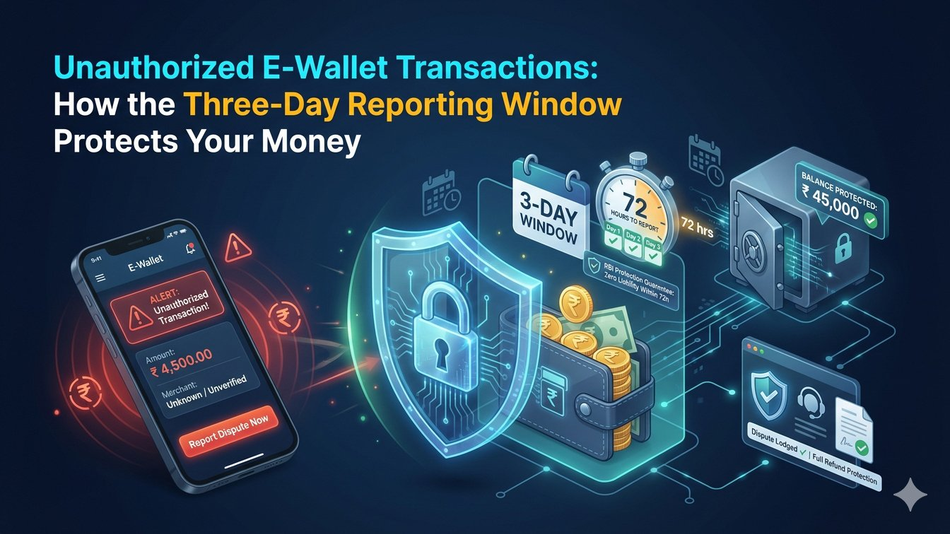
Unauthorized e-wallet transactions can be concerning, especially with the rise of digital payments. Understanding the process during these financial mishaps is essential for safeguarding your funds. The reporting system plays a significant role in this process, specifically the three-day reporting window, which allows consumers to alert their digital e-wallet providers about suspicious activity. This article will delve into how this protective measure operates and the safeguards it offers users in situations involving unauthorized transactions. Understanding how a digital e wallet works and knowing when to raise a upi complaint can help users respond quickly to suspicious payment activity.
What are unauthorized e-wallet transactions?
Unauthorized e-wallet transactions occur when funds are withdrawn or transferred from your digital e wallet without your explicit consent. This can happen due to various reasons, including phishing attempts, malware, or even clerical errors. When such transactions are reported promptly, users have the chance to recover their money and get the necessary assistance from their e-wallet providers.
With the growing popularity of digital e-wallets such as Bajaj Pay, understanding your rights and the protective measures in place is crucial. The three-day reporting window ensures that you are not liable for any fraudulent activity on your e-wallet if you act promptly. If an unauthorised payment involves UPI, submitting a upi complaint through the appropriate channel can help initiate an investigation.
How does the three-day reporting window work?
The three-day reporting window is a vital aspect of consumer protection when it comes to unauthorized transactions. Upon discovering an unauthorized transaction in your e-wallet, you must report it to your provider—like Bajaj Pay—within three days. This window is defined by regulations set by bodies such as the Reserve Bank of India (RBI), ensuring that users can contest suspicious transactions quickly.
Once a report is filed, the e-wallet provider typically investigates the claim and collaborates with relevant authorities. This process helps verify the legitimacy of the dispute and may lead to the reversal of funds if the transaction is indeed unauthorized. Users making payments through a digital e wallet should keep transaction details and confirmation messages handy when reporting an issue.
It is essential to keep track of any transactions within your digital e-wallet to identify irregularities easily. By proactively monitoring your account, you can alert your provider sooner, increasing the chances of recovering your money. If the issue relates to a UPI payment, filing a upi complaint promptly and providing the transaction reference details can support the investigation. The goal is to ensure that unauthorized transactions are addressed promptly, minimizing potential losses.
Common mistakes to avoid during unauthorized e-wallet transactions
When it comes to unauthorized transactions, many users fall prey to common mistakes that hinder their chances of recovering funds. One of the most prevalent errors occurs when users wait too long to report any suspicious activity. Failing to act within the three-day window diminishes your ability to challenge the transaction effectively. Always report irregularities as soon as they are detected.
Another mistake is providing incomplete or inaccurate information when filing a complaint. Ensure that you offer all the necessary details regarding the transaction—such as the date, amount, and recipient details—when reporting an issue. This clarity will facilitate a smoother investigation process.
Forgetting to monitor your transactions regularly may also expose your account to risks. Keeping a close watch on your digital e wallet can help you identify and report unauthorized transactions promptly, allowing for quick resolution.
Lastly, many users may hesitate to escalate the issue further if their initial complaint is not resolved satisfactorily. Always follow through and insist on updates or additional support from your e-wallet provider. If a UPI-related payment dispute remains unresolved, you can raise a upi complaint through the relevant grievance redressal channels until you receive a resolution.
Paying through Bajaj Pay
Bajaj Pay, the Bharat Connect payments platform on Bajaj Finance, offers a secure way to manage your digital wallet activities without incurring any fees. It allows users to pay bills, recharge mobile phones, transfer money, and more—all through a single, user-friendly interface. Payment confirmations are instant, and tangible benefits, such as rewards for using the platform, enhance the user experience.
To make a payment through Bajaj Pay, follow these simple steps:
- Log in to the Bajaj Finance App or website.
- Select the payment type required (bill payment, recharge, etc.).
- Input the relevant details (mobile number, consumer ID, etc.).
- Confirm your payment and review the summary.
- Receive an instant payment confirmation via email or SMS.
This transparent and efficient system aids in user protection, as all payment activities are logged and easy to track, reducing the risk of fraud. Users should regularly review transactions made through their digital e wallet and report any suspicious UPI activity through the appropriate upi complaint channel.
Conclusion
Unauthorized e-wallet transactions can be alarming, but understanding the reporting processes can significantly protect your financial interests. The three-day reporting window serves as a crucial mechanism, allowing you to report discrepancies quickly and safeguarding your funds. Being aware of the common mistakes to avoid and monitoring your digital transactions regularly can further enhance your protection against potential fraud. Understanding how a digital e wallet works and knowing how to file a upi complaint can help users take timely action. For those seeking a reliable platform to manage their transactions, Bajaj Pay provides a fee-free option with comprehensive security features. Embrace digital payments confidently—understanding your rights and the resources available can ensure that your financial journey remains secure.


