 WhatsApp Us Now
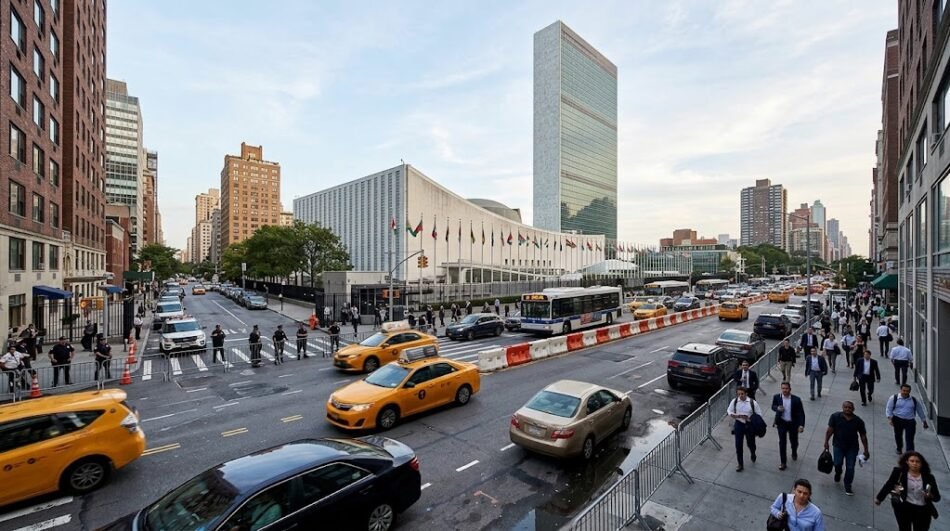
The UN General Assembly transportation situation can be challenging for delegates, visitors, commuters, and anyone traveling through Midtown Manhattan during High-Level Week. Heavy traffic, security measures, temporary street closures, and motorcade movements can affect normal travel. Checking official updates before leaving can help travelers plan around disruptions and choose a more reliable route. NYC transportation officials have historically encouraged visitors and residents to use public transportation during the General Assembly because congestion can become particularly severe.
Why Transportation Changes During the UN General Assembly
The United Nations General Assembly brings senior government officials, diplomats, international delegations, security personnel, journalists, and other visitors to New York. Because many high-profile delegations travel between locations, transportation arrangements require additional security and traffic management.
The effects are most noticeable around the United Nations headquarters on First Avenue and in parts of Midtown Manhattan. Depending on the day’s schedule and security requirements, streets may experience closures, managed access, parking restrictions, or intermittent traffic interruptions.
What Routes Are Most Likely to Be Affected?
Travelers should pay particular attention to streets surrounding the UN complex and routes commonly used by official delegations. During previous General Assembly periods, NYC authorities have announced closures and managed-access areas around First Avenue, 42nd Street, and other Midtown locations.
The exact restrictions can change from one day to another. A route that is open in the morning may experience temporary restrictions later as delegations move through the city. For that reason, relying on a normal commute route without checking current conditions can result in significant delays.
Public Transportation During the General Assembly
Public transportation is generally one of the most practical ways to travel around Manhattan during major international events. NYC DOT has specifically encouraged New Yorkers and visitors to use alternatives to driving during UN General Assembly Gridlock Alert periods. Available options include subway and bus services, regional rail, ferries, cycling, and walking.
For visitors staying outside Manhattan, regional rail can also be useful for reaching the city before continuing by subway or on foot. Travelers should allow additional time for transfers, station congestion, and walking around restricted streets.
Security Measures and Their Effect on Travel
Security is a major reason transportation conditions can change quickly during the General Assembly. Official delegations may travel with security escorts, and authorities can temporarily restrict access to streets or redirect traffic.
During the 2025 General Assembly, for example, New York officials warned about rolling and intermittent closures as delegations traveled between venues, along with specific closures around First Avenue and the UN area.
For travelers, this means a navigation app may not always reflect the full impact of an unfolding security-related closure. Staying alert to official transportation announcements is particularly useful when traveling close to the UN headquarters.
Tips for Planning Your Journey
Give yourself more travel time than you normally would, particularly if your destination is in Midtown Manhattan. Avoid building an itinerary around a very tight arrival window because a short-distance journey can take considerably longer when streets are restricted.
If you are driving, check traffic conditions and official closure information before starting your journey. In many situations, leaving the car outside the most affected area and continuing by public transportation can be more convenient than attempting to drive directly through Midtown.
Travelers can also find more information through official city and UN announcements before heading out. This is especially useful for visitors who are unfamiliar with Manhattan’s street layout or do not know which routes may be affected by temporary restrictions.
Traveling to the UN Headquarters
People visiting the UN complex should plan for additional security screening and possible pedestrian or vehicle restrictions. Your transportation plan should account not only for the journey to the area but also for the time needed to enter the facility.
If you have a scheduled meeting, conference, or appointment, arriving early is a sensible precaution. Security requirements and traffic conditions can change, so checking the latest instructions from the relevant UN office or event organizer is preferable to relying on information from an earlier day.
Benefits of Using Public Transportation
Using public transportation can reduce exposure to road congestion during General Assembly periods. The subway in particular can bypass many surface-level traffic problems, making it a useful option when streets are crowded or temporarily restricted.
Walking can also be practical for shorter journeys within Midtown. Combining subway travel with walking may provide more predictable travel times than using a taxi or private vehicle through heavily congested streets.
Another advantage is flexibility. If one surface route becomes restricted, travelers using the subway or walking can often adjust their journey without being trapped in a traffic queue.
Pros
Public transportation can provide a more predictable alternative to driving when Manhattan streets are heavily congested. Subway travel can avoid many surface-level delays, while walking gives travelers greater flexibility around temporary road restrictions.
Planning ahead can also make the experience considerably easier. Checking official notices, allowing extra time, and choosing flexible routes can reduce the stress associated with unexpected closures.
Cons
Transportation during the UN General Assembly can still be crowded even when public transit is operating normally. Visitors may encounter busy stations, longer walking distances, or changes caused by security operations.
Driving can be particularly difficult because temporary closures and delegation movements may interrupt an otherwise straightforward route. Conditions can also change during the day, making advance planning less reliable than it would be during a normal week.
Bottom Line
The best approach to UN General Assembly transportation is to plan for disruption rather than assume normal New York traffic conditions. Public transportation, walking, and flexible routing are generally more practical than driving directly through areas affected by General Assembly activity.
Because closures and security arrangements can change, travelers should check current information from NYC authorities and the United Nations close to the time of travel. The specific restrictions announced for one General Assembly period should not automatically be assumed to apply to another.
FAQs
Is public transportation available during the UN General Assembly?
Yes. Subway, bus, regional rail, ferry, cycling, and walking options remain available, although individual routes or access points may be affected by temporary restrictions. NYC DOT has encouraged travelers to use non-driving transportation during General Assembly Gridlock Alert periods.
Is it difficult to drive in New York during the UN General Assembly?
Driving can be significantly more difficult because of congestion, street closures, managed-access areas, and intermittent restrictions associated with official delegations. Checking current traffic and closure information before driving is advisable.
How early should I arrive at the UN during the General Assembly?
Allow extra time beyond your normal journey, particularly if you have a scheduled meeting or appointment. Traffic conditions and security procedures can change, so checking the latest instructions from the UN and local authorities before traveling is recommended.


