 WhatsApp Us Now
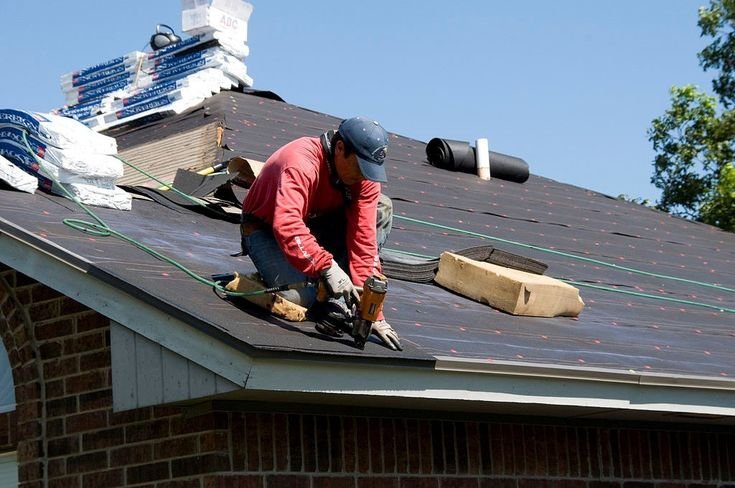
A dependable commercial roof plays an important role in protecting the structure, equipment, inventory, and people inside a building. Choosing the right materials and installation team can help prevent premature damage and costly interruptions. A qualified TPO roofing contractor can assess the property, recommend suitable membrane solutions, and install a roofing system designed for demanding conditions. Understanding available systems and professional installation practices makes it easier to plan a durable roofing investment.
How TPO Roofing Contractors Build Durable Commercial Roofs for Years?
TPO roofing is widely used on commercial properties because its single-ply membrane provides a practical combination of flexibility, weather resistance, and durability. Professional installation begins with evaluating the existing roof, deck condition, insulation, drainage, and building requirements. A qualified TPO roofing contractor can determine whether a new membrane system is suitable for the property and identify potential problem areas before installation begins.
Proper seams, flashing, penetrations, and edge details are especially important to the performance of a TPO roof. Installation errors in these areas can create opportunities for moisture intrusion and premature deterioration. Experienced roofing professionals use appropriate installation techniques and carefully inspect critical details throughout the project. This attention to workmanship helps create a roof that can provide dependable protection for years.

Key Design Features That Make Flat Roof Systems Perform Reliably Today
Modern Flat roof systems require careful planning because their low slope affects how water moves across the surface. Proper drainage design can include drains, scuppers, tapered insulation, and strategically planned slopes. These components work together to reduce standing water and help direct rainfall away from vulnerable areas of the building.
Material selection also influences how a flat roof performs under daily exposure. Membranes, insulation, flashing, adhesives, and protective components need to work together as one complete system. A properly designed roof should account for the building’s use, climate, maintenance requirements, and expected service life. Good planning before installation can reduce avoidable repairs later.
How Flat Roof Systems Improve Drainage, Access, and Building Needs?
Well-planned Flat roof systems can provide useful space for HVAC equipment, vents, skylights, and other commercial building components. However, these installations create additional penetrations and maintenance considerations. Roofing contractors need to plan around equipment while maintaining effective waterproofing and drainage throughout the roof surface.
Routine inspections are also easier when the roof is designed with maintenance access in mind. Professional planning can help identify areas that require regular attention and provide practical routes for service personnel. Keeping drains clear and monitoring seams, flashings, and penetrations can help preserve the roof’s condition. A proactive maintenance approach can also reveal minor issues before they develop into larger repairs.

What to Expect When Hiring an Austin Roofing Contractor for a Project?
Selecting an Austin roofing contractor involves more than comparing estimates. Property owners should consider experience with the specific roof type, installation practices, project communication, and understanding of local weather conditions. A professional evaluation should identify existing damage, drainage concerns, insulation needs, and other factors that may influence the recommended roofing solution.
A detailed project proposal can make the installation process easier to understand. It should explain the proposed materials, preparation work, installation scope, and expected maintenance considerations. Clear communication also helps property owners understand what will happen during each stage of the project. Taking time to evaluate these details can support better decisions and fewer surprises.
How an Austin Roofing Contractor Evaluates Repairs, Materials Today?
An experienced Austin roofing contractor can inspect a roof to determine whether repair, restoration, or replacement is the most practical option. Small leaks do not always indicate that the entire roof needs to be replaced, while widespread deterioration may make repeated repairs inefficient. A professional assessment considers the roof’s age, condition, previous repairs, drainage, and overall performance.
Material recommendations should also reflect the property’s specific requirements rather than relying on a one-size-fits-all approach. Commercial buildings can have different insulation, ventilation, equipment, occupancy, and maintenance needs. A knowledgeable contractor can compare available options and explain the advantages and limitations of each. This helps owners select a roofing solution based on long-term performance rather than initial price alone.
Choosing a Reliable Roofing Contractor Austin TX Businesses Can Trust
Finding a dependable Roofing contractor austin tx businesses can trust starts with reviewing experience and workmanship. Contractors should be able to explain their installation process, recommended materials, preparation requirements, and approach to quality control. Asking about previous commercial projects can also provide useful insight into whether the contractor has handled similar roofing challenges.
Reliability is equally important after installation is complete. A contractor that provides inspection, maintenance, and repair services can help property owners manage the roof throughout its service life. Consistent communication makes it easier to address developing concerns before they become disruptive. Choosing a company based on overall value and service quality can be more beneficial than selecting the lowest initial quote.
How a Roofing Contractor Austin TX Can Protect Long-Term Roof Value?
A professional Roofing contractor austin tx property owners choose should view the roof as a long-term building investment. Proper installation, regular inspections, timely repairs, and appropriate maintenance all contribute to preserving its performance. Addressing minor membrane damage, drainage problems, or deteriorating flashing early can help prevent more extensive damage.
Long-term roof value also depends on maintaining accurate records of inspections and repairs. Documentation can help contractors understand the roof’s history and make more informed recommendations during future service visits. Regular professional assessments can identify changes in condition that may not be obvious from ground level. With consistent care, a commercial roofing system can remain a dependable part of the building’s protection strategy.
Why Choose Us for Professional Commercial Roofing Support?
Our approach focuses on understanding each property’s roofing requirements before recommending a solution. We consider the roof’s current condition, building use, drainage, materials, and long-term maintenance needs. This helps ensure that the proposed roofing work addresses practical concerns instead of relying on generic recommendations.
From installation planning to ongoing roof care, professional attention to detail remains important at every stage. We emphasize clear communication, quality workmanship, and roofing solutions designed around the property’s needs. Whether a building requires a new membrane system, repairs, or ongoing maintenance, a carefully planned approach can help support dependable performance.
FAQs
1. What is TPO roofing used for?
TPO roofing is commonly used on commercial and low-slope buildings. Its membrane design provides waterproofing and can offer durability, flexibility, and resistance to weather exposure when properly installed and maintained.
2. Are flat roofs suitable for commercial buildings?
Yes. Flat and low-slope roofing systems are widely used on commercial properties. Their suitability depends on proper drainage, material selection, structural requirements, installation quality, and ongoing maintenance.
3. How often should a commercial roof be inspected?
Commercial roofs should generally receive routine professional inspections, with additional checks after severe weather or when leaks and other issues appear. Regular inspections can help identify problems before they become extensive.
4. Should a damaged roof be repaired or replaced?
The right option depends on the roof’s age, extent of damage, membrane condition, drainage, previous repairs, and expected service life. A professional inspection can help determine whether repair or replacement makes better financial sense.
5. What should I look for in a commercial roofing contractor?
Look for relevant commercial roofing experience, clear project proposals, quality installation practices, good communication, and ongoing maintenance or repair support. References from comparable roofing projects can also help when evaluating contractors.
Conclusion
Commercial roofing decisions should focus on more than immediate installation costs. The right membrane, drainage design, insulation, flashing, and workmanship all contribute to the overall performance of the roofing system. Working with experienced professionals can help property owners choose materials and installation methods that fit their building’s requirements.
Regular inspections and timely maintenance are equally important after installation. Whether the property needs TPO roofing, a flat roof solution, repairs, or a complete replacement, careful planning can help protect the building for the long term. A professional roofing partner can provide the expertise needed to maintain reliable protection through changing weather and everyday commercial use.


