 WhatsApp Us Now

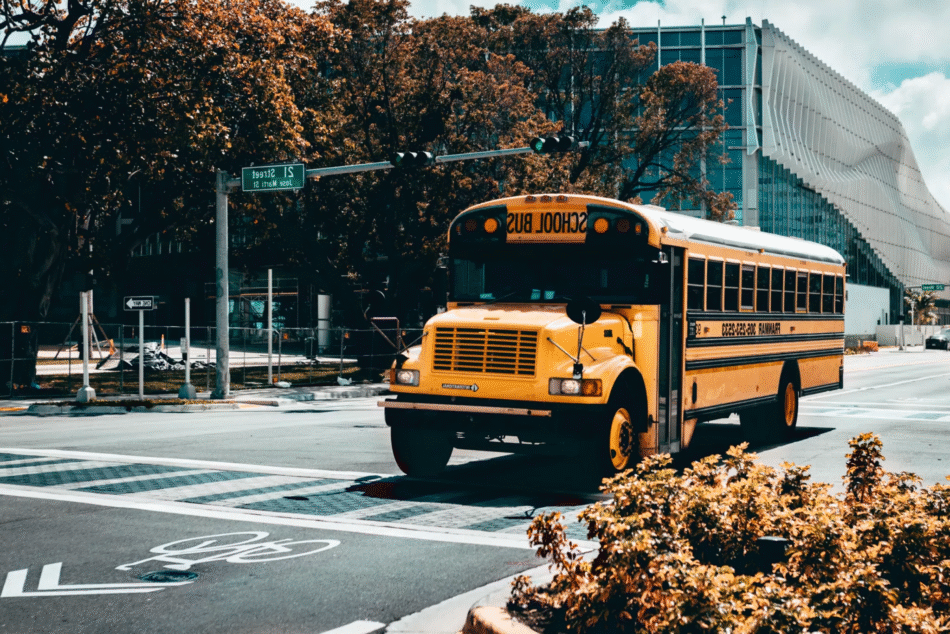
Optimize student transit! Discover how student transportation software streamlines routes, enhances safety, improves communication, and ensures efficient school bus operations.
The daily transportation of students to and from school is a complex logistical undertaking, demanding meticulous planning, precise execution, and unwavering attention to safety. For school districts of all sizes, managing bus routes, student ridership, communication with parents, and adherence to schedules can be a significant administrative burden. Fortunately, the emergence of sophisticated student transportation software has revolutionized this critical aspect of education, offering a suite of tools designed to streamline operations, enhance safety protocols, improve communication channels, and ultimately ensure the efficient and reliable transportation of students. This blog post delves into the transformative power of student transportation software and its profound impact on school bus operations.
The Challenges of Traditional Student Transportation Management:
Many school districts still grapple with the limitations of manual or semi-automated systems for managing student transportation:
- Inefficient Route Planning: Manually creating and adjusting bus routes is time-consuming and often leads to suboptimal routes, increased mileage, and higher fuel costs.
- Communication Bottlenecks: Relaying information between the transportation department, schools, parents, and drivers through phone calls and paper notices is prone to delays and errors.
- Safety Concerns and Lack of Real-Time Visibility: Without real-time tracking, monitoring the location and status of school buses and ensuring student safety can be challenging.
- Managing Student Ridership: Accurately tracking which students are riding which buses and managing changes in ridership can be a logistical headache.
- Handling Delays and Emergencies: Communicating delays, managing emergencies, and coordinating responses effectively can be difficult without a centralized system.
- Reporting and Compliance: Generating accurate reports for internal analysis and regulatory compliance can be a cumbersome process.
The Comprehensive Solution: Student Transportation Software:
Student transportation software offers a centralized and integrated platform to address these challenges, providing a comprehensive set of features designed to optimize every aspect of school bus operations:
- Intelligent Route Optimization: Advanced algorithms analyze student addresses, school locations, bell times, and traffic patterns to generate the most efficient and cost-effective bus routes, minimizing travel times and mileage.
- Real-Time GPS Tracking and Monitoring: GPS-equipped buses provide real-time location data, allowing dispatchers to monitor bus movements, track arrival and departure times, and respond quickly to any issues.
- Parent Communication Portals and Mobile Apps: Dedicated portals and mobile apps enable seamless communication between parents and the school district regarding bus schedules, route changes, delays, and student ridership.
- Student Ridership Management: Electronic student manifests and scanning systems allow drivers to easily track which students are on board, ensuring accurate ridership counts and enhancing safety.
- Automated Attendance Tracking: Some systems integrate with student information systems (SIS) to automate attendance tracking based on bus ridership.
- Emergency Communication and Alert Systems: Software facilitates rapid communication during emergencies, allowing dispatchers to send alerts to drivers, schools, and parents.
- Reporting and Analytics: Comprehensive reporting tools provide valuable insights into route efficiency, on-time performance, fuel consumption, and other key metrics, enabling data-driven decision-making.
- Driver Management Tools: Features for managing driver schedules, assignments, communication, and compliance with regulations.
The Tangible Benefits of Implementing Student Transportation Software:
The adoption of student transportation software yields numerous benefits for school districts:
- Increased Efficiency and Reduced Costs: Optimized routes and streamlined operations lead to lower fuel consumption, reduced mileage, and more efficient resource allocation.
- Enhanced Student Safety and Security: Real-time tracking, student ridership management, and emergency communication systems contribute to a safer transportation environment.
- Improved Communication and Transparency: Clear and timely communication with parents, schools, and drivers fosters trust and reduces anxiety.
- Streamlined Administrative Processes: Automation of tasks like route planning, attendance tracking, and reporting frees up administrative staff to focus on other critical responsibilities.
- Data-Driven Decision Making: Comprehensive analytics provide valuable insights for continuous improvement and strategic planning.
- Compliance with Regulations: Software can help ensure adherence to local, state, and federal transportation regulations.
Conclusion:
Student transportation software is no longer a futuristic concept; it is a vital tool for modern school districts seeking to optimize their bus operations, enhance student safety, improve communication, and ensure efficiency. By embracing the power of technology, school districts can transform the daily school commute from a logistical challenge into a safe, reliable, and well-managed experience for students, parents, and administrators alike. Investing in smart transportation solutions is an investment in the well-being and success of the entire school community.


