 WhatsApp Us Now

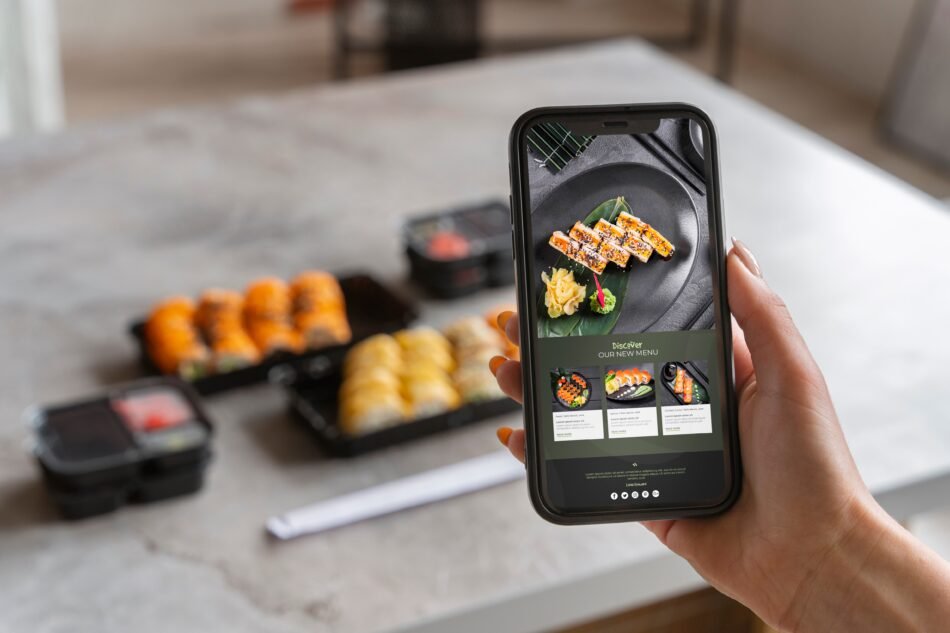
Budgeting for a food delivery app can feel like shooting at a moving target. One vendor quotes a modest sum, another quotes several times more, and both seem convincing. The truth is that the final price depends on a handful of decisions you make before a single screen is designed.
Understanding those decisions puts you in control. Below, we walk through the main factors that shape the cost of food delivery app development, show where money is often wasted, and share practical ways to plan a budget that matches your goals.
Why the Best Food Delivery App Development Company Won’t Give You a One-Size-Fits-All Quote
When you speak to the best food delivery app development company, the first thing you will notice is the number of questions they ask. They want to know your business model, your target city, your delivery setup, and the features you consider essential. That is not stalling. It is the only honest way to estimate cost, because two apps that look similar on the surface can require very different amounts of work behind the scenes.
Be wary of anyone who offers a fixed price after a five-minute call. A reliable partner will usually run a short discovery phase, define the scope in writing, and then provide an estimate broken down by feature, design, development, and testing. That breakdown helps you see where your money goes and gives you room to adjust the scope without starting over.
App Type and Business Model
The kind of platform you build is the single biggest cost driver. A single-restaurant ordering app is far simpler than a multi-vendor marketplace, where many restaurants manage their own menus, orders, and payouts. A cloud kitchen network or a grocery delivery service has its own requirements again.
Most projects include several connected parts:
- Customer app for browsing, ordering, paying, and tracking
- Restaurant panel for menus, orders, and sales reports
- Driver app for assignments, navigation, and earnings
- Admin dashboard for users, commissions, promotions, and analytics
Each additional component adds design, development, and testing time. Starting with the customer app and a basic admin panel, then adding the rest later, is a common way to control early costs.
Features and Functionality
Features are where budgets quietly grow. Core functions such as registration, menu search, cart, payment, and order tracking are standard in any food delivery app development solution. Advanced extras, however, can multiply effort and expense:
- Real-time GPS tracking with live driver location
- Smart order assignment and route optimization
- Loyalty points, coupons, and referral programs
- Scheduled orders and group ordering
- In-app chat or call between customers and drivers
- AI-based recommendations and personalized offers
- Multi-language and multi-currency support
Ask yourself which features customers genuinely need on day one. Many successful apps launched with a lean feature set and added more after studying real user behavior.
Design and User Experience
Good design is an investment, not a decoration. Customers abandon apps that feel slow or confusing, so the ordering flow needs to be simple and fast. Custom interfaces, brand-specific animations, and detailed user research cost more than template-based designs, but they can improve conversion and retention.
Ask whether the provider creates wireframes and clickable prototypes before development. Fixing a design problem on paper is far cheaper than fixing it after the code is written.
Platform and Technology Choices
Your platform decision affects both cost and performance. Building separate native apps for iOS and Android delivers excellent performance but requires two codebases. Cross-platform frameworks such as Flutter or React Native let one team build for both platforms, often reducing time and expense.
The backend matters just as much. A system designed to handle thousands of simultaneous orders needs stronger architecture, cloud hosting, and load balancing than one built for a small local audience. Cutting corners here may save money at launch but create expensive problems when your order volume grows.
Third-Party Integrations
A food delivery app relies on outside services to function. Typical integrations include payment gateways, maps and location services, SMS and email notifications, and sometimes point-of-sale or inventory software. Some services charge licensing or usage fees, which become ongoing costs.
Payment security deserves special attention. Following recognized security standards and protecting customer data takes careful work, but a breach would cost far more in lost trust than the effort of doing it right.
Custom Development vs. Ready-Made Solutions
This choice can shift your budget dramatically. Ready-made or white-label platforms are pre-built systems that can be customized with your branding and settings. They launch faster and cost less, which suits startups testing a market.
Custom development builds the product around your exact needs. It costs more and takes longer, but it offers unique features and stronger differentiation. When comparing food app development services, ask whether the provider offers both options, and how easily a ready-made base can be upgraded later.
Team Location and Experience
Who builds your app affects the price as much as what they build. Hourly rates vary widely by region and by the seniority of the team. A low rate does not always mean a low total cost, since inexperienced teams may need more hours or deliver work that requires rework.
Experience in your niche is valuable. A food delivery booking app development company that has already built tracking, payments, and multi-vendor systems will move faster and avoid common mistakes. Review portfolios, test live apps, and speak with past clients before deciding.
Testing, Launch, and Compliance
Quality assurance is sometimes treated as optional when budgets tighten, but skipping it is risky. Testing across devices, operating systems, and heavy traffic conditions protects your reputation at launch. Costs also include app store submission and, depending on your location, compliance with data protection and food-related regulations.
Ongoing Costs After Launch
Many first-time founders budget for the build and forget the rest. After release, expect expenses for:
- Server hosting and cloud services
- Bug fixes and operating system updates
- Customer support tools
- Third-party service fees
- New features based on user feedback
- Marketing to attract and retain customers
A common guideline is to set aside a portion of the original development budget each year for maintenance and improvement. Ask potential partners about support packages before you sign.
Practical Ways to Manage Your Budget
- Build a minimum viable product (MVP). Launch with essentials, gather feedback, and expand gradually.
- Write a detailed brief. Clear requirements reduce scope changes, which are a leading cause of overspending.
- Compare itemized quotes. Look beyond the total and see what each estimate includes.
- Prioritize features by value. Separate must-haves from nice-to-haves.
- Negotiate milestone-based payments. Paying as work is delivered protects you from nasty surprises.
- Confirm ownership terms. Make sure the contract states that you own the source code.
Final Thoughts
The cost of building a food delivery app comes down to scope, complexity, technology, team, and long-term planning. There is no universal price, but there is a smart way to approach the question: define your goals, prioritize essential features, and ask for transparent, itemized estimates.
Choose a partner who explains the numbers instead of hiding them. A trustworthy food booking app development company will help you balance ambition and budget, so your app launches on time, performs well, and has room to grow as your customer base expands.


