 WhatsApp Us Now

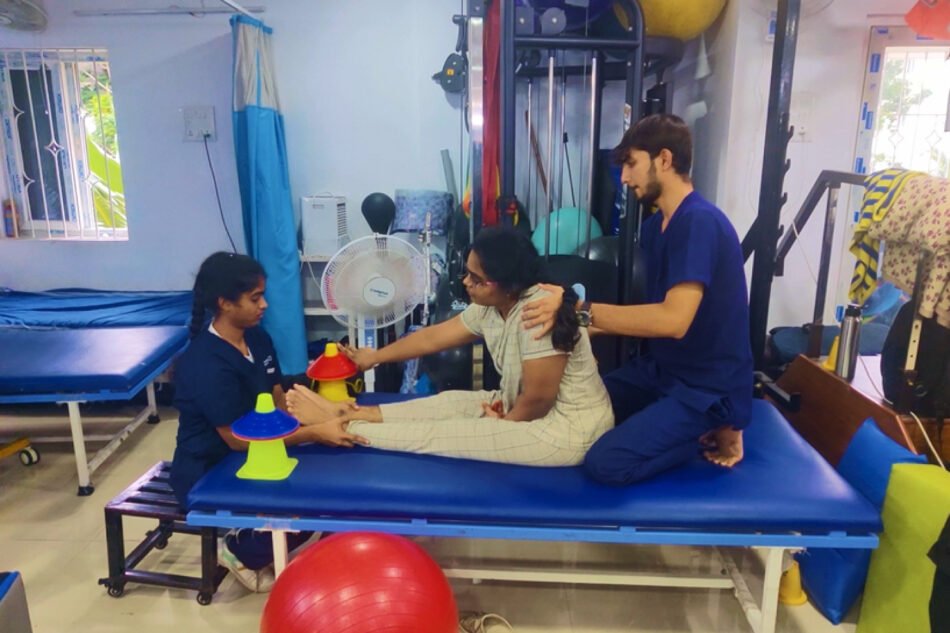
Living with constant pain, muscle weakness, difficulty walking or restricted movement can make everyday activities stressful. Simple tasks such as climbing stairs, getting out of bed, lifting objects or walking comfortably may become challenging after an injury, surgery or illness. These difficulties can affect your independence, confidence and overall quality of life.
Rehabilitation plays an important role in helping individuals regain physical abilities, improve mobility and manage movement-related difficulties. Whether you are recovering from an accident, experiencing joint problems or supporting a family member with neurological challenges, the right rehabilitation approach can help you work towards a more active lifestyle.
Why Is Rehabilitation Important for Your Recovery?
Rehabilitation focuses on improving physical function, strength, flexibility, balance and independence. It involves structured treatment and exercises designed around your health condition, physical limitations and recovery goals.
When looking for rehab in Hyderabad, it is important to choose a centre that understands your individual requirements and provides appropriate rehabilitation guidance. A personalized programme can help address your specific challenges instead of following a general treatment routine.
Common Health Conditions That May Require Rehabilitation
1. Recovery After Injury or Accident
Accidents, sports injuries and muscle strains can affect your ability to move comfortably. Rehabilitation may include strengthening exercises, mobility training, balance activities and guided movement practice to support recovery.
2. Post-Surgical Rehabilitation
Recovering after knee replacement, hip surgery, spinal procedures or other operations may require professional rehabilitation. Physiotherapy can help improve joint movement, rebuild muscle strength and gradually restore functional abilities according to medical recommendations.
3. Neurological Conditions and Paralysis
Conditions such as stroke, brain injury and certain neurological disorders can affect muscle control, balance, coordination and walking ability. Neurological rehabilitation may help patients practise functional movements and improve physical independence.
4. Joint Pain and Mobility Problems
Knee pain, shoulder stiffness, arthritis-related discomfort and back pain can interfere with daily activities. Appropriate rehabilitation exercises may help improve flexibility, strengthen supporting muscles and manage movement limitations.
How Can Rehabilitation Improve Your Everyday Life?
Improve Strength and Flexibility
Targeted exercises can help strengthen muscles, improve flexibility and support better physical function. Regular practice may make everyday movements easier and more comfortable.
Regain Balance and Walking Ability
Balance exercises, coordination activities and walking practice can help individuals experiencing mobility difficulties improve stability and movement confidence.
Develop Greater Independence
Rehabilitation often focuses on practical activities such as sitting, standing, walking and transferring between surfaces. These exercises can help patients gradually improve their ability to perform everyday tasks.
Build Confidence During Recovery
Physical limitations can sometimes make people hesitant to move or participate in activities. Guided rehabilitation helps patients understand their abilities, practise movements safely and work towards realistic recovery goals.
What Should You Look for When Choosing a Rehabilitation Centre?
Finding an appropriate rehabilitation centre is an important decision for patients and their families. Consider these factors before starting treatment.
Qualified Rehabilitation Professionals
Choose a centre with trained physiotherapists who can assess your condition and recommend suitable rehabilitation techniques.
Personalized Treatment Plans
Every patient has different recovery needs. Your rehabilitation programme should consider your medical history, physical condition and functional goals.
Regular Progress Assessment
Consistent monitoring helps evaluate improvements in strength, balance, flexibility and mobility. Treatment plans can then be adjusted according to your progress.
Patient and Family Guidance
Clear instructions and caregiver education can help patients continue appropriate exercises and follow rehabilitation recommendations at home.
Supporting Your Recovery with Revive Physiotherapy & Rehabilitation Centre
At Revive Physiotherapy & Rehabilitation Centre, the focus is on helping individuals improve mobility, strength and functional independence through patient-focused rehabilitation. Whether you need support after surgery, are managing neurological challenges or want to improve movement following an injury, an individualized physiotherapy approach can help you work towards your recovery goals.
Conclusion
Recovering from an injury, surgery or health condition can take time, patience and consistent effort. The right rehabilitation programme can help improve physical function, manage movement limitations and support greater independence. Choosing suitable rehab in Hyderabad, following professional guidance and staying consistent with recommended exercises can make a positive difference in your recovery journey. Take the first step towards better mobility and a more active lifestyle with appropriate rehabilitation support.
Frequently Asked Questions (FAQs)
1. Who can benefit from rehabilitation?
People recovering from injuries, surgeries, strokes, neurological conditions, joint problems and mobility-related difficulties may benefit from rehabilitation.
2. How long does a rehabilitation programme take?
The duration depends on your condition, severity of symptoms, recovery goals and response to treatment. Your physiotherapist can recommend a suitable schedule after assessment.
3. Can rehabilitation help improve walking ability?
Yes. Rehabilitation may include walking practice, balance exercises, muscle strengthening and coordination training to help improve walking ability.
4. Is physiotherapy important after surgery?
Physiotherapy is often an important part of postoperative rehabilitation. It can help improve strength, flexibility, joint movement and functional abilities under appropriate medical guidance.
5. How do I choose the right rehabilitation centre?
Look for qualified physiotherapists, personalized treatment programmes, proper assessments, progress monitoring and clear communication about your recovery plan.


