 WhatsApp Us Now

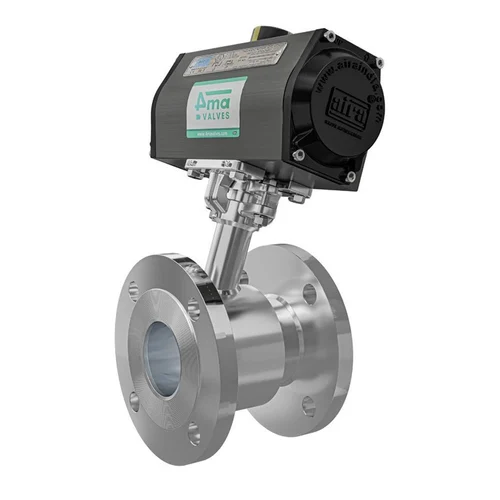
Modern processing industries require equipment that can provide reliable flow control while maintaining cleanliness and operational efficiency. In applications where product residue, drainage, and contamination control are important, specialized valve designs can offer significant advantages. Flush bottom ball valves are developed to address these requirements by providing effective drainage and isolation at the bottom of process vessels and pipelines.
The design and construction of ss flush bottom ball valves make them suitable for various hygienic and industrial processing environments. Their stainless steel construction, compact arrangement, and flush installation can support applications where efficient product discharge and easy cleaning are essential.
Understanding Flush Bottom Ball Valves
A flush bottom ball valve is generally installed at the bottom of a vessel, tank, reactor, or processing container. Its purpose is to provide controlled discharge while minimizing areas where product can remain trapped.
Unlike a conventional valve installed away from the vessel outlet, a flush bottom design is positioned so that the valve opening aligns closely with the vessel’s internal surface. This arrangement can help reduce dead spaces and support more effective draining.
The ball mechanism provides a straightforward method for opening and closing the flow path. Depending on the system, the valve may be operated manually or integrated with an automated actuator.
Why Flush Bottom Designs Matter
In hygienic processing, product retention can create cleaning and quality challenges. Residual material left inside a process system may become difficult to remove and can potentially affect subsequent production cycles.
A flush bottom arrangement is designed to minimize such retention around the vessel outlet. This can support easier drainage and improve cleaning efficiency.
These characteristics make flush bottom ball valves particularly relevant to industries where hygiene, process consistency, and controlled discharge are important.
Importance of Stainless Steel Construction
Stainless steel is commonly used for hygienic processing equipment because of its corrosion resistance, durability, and suitability for clean processing environments.
The appropriate stainless steel grade should be selected according to the process media, temperature, cleaning chemicals, and overall operating conditions. Surface finish is also important because smoother internal surfaces can support easier cleaning and reduce areas where material may accumulate.
Material selection should therefore be considered together with the specific process requirements rather than treated as a separate purchasing decision.
Applications Across Processing Industries
Flush bottom ball valves can be used in several industries where vessels and tanks require controlled bottom discharge. Food and beverage processing facilities may use them for handling liquid or semi-liquid products.
Pharmaceutical and biotechnology processes can also require hygienic valve arrangements where contamination control and cleanability are important. Cosmetic, chemical, and specialty processing applications may have similar requirements depending on the materials being handled.
The exact valve configuration should always be selected according to the process conditions and applicable hygiene requirements.
Important Factors to Consider
Selecting the right flush bottom ball valve requires a review of several technical and operational factors.
- Material compatibility: Ensure the valve construction is suitable for the process media and cleaning chemicals.
- Connection arrangement: Check that the valve fits the vessel outlet and piping configuration.
- Pressure and temperature: Confirm that the valve can handle the expected operating conditions.
- Surface finish: Consider the required internal and external finish for hygienic processing.
- Sealing materials: Select seals that are compatible with the media and cleaning procedures.
- Operating method: Determine whether manual or automated operation is required.
Considering these points can help users select a valve that is better matched to their process requirements.
Cleaning and Drainage Advantages
One of the main purposes of a flush bottom valve is to support effective drainage from the lowest point of a vessel. A suitable design can help reduce product accumulation around the outlet.
This can be particularly useful in batch processing environments where vessels are emptied, cleaned, and reused regularly. Effective drainage can help simplify cleaning procedures and reduce unnecessary product retention.
However, the overall vessel design, installation position, piping arrangement, and cleaning process also influence drainage performance.
Manual and Automated Operation
Flush bottom ball valves can be configured for manual operation or automated control. Manual versions may be suitable for smaller systems or applications where the valve is operated occasionally.
Automated configurations can be useful when the valve needs to operate as part of a programmed production sequence. Pneumatic or electric actuation can allow remote operation and integration with process control systems.
The selected actuator should be properly matched to the valve and operating environment to ensure consistent operation.
Maintenance Considerations
Regular inspection is important for maintaining valve performance. Seals, seats, operating mechanisms, and connections should be checked according to the process maintenance schedule.
The cleaning procedure should also be compatible with the valve materials and sealing components. In applications involving frequent cleaning cycles, users should pay particular attention to seal condition and surface integrity.
Keeping suitable replacement components available can help reduce downtime when maintenance is required.
Selecting the Right Configuration
There is no universal flush bottom valve configuration suitable for every process. Tank dimensions, outlet design, media characteristics, pressure, temperature, cleaning methods, and required flow capacity all influence the selection.
Users should provide complete application information when evaluating different options. This allows the valve configuration to be assessed according to actual process conditions rather than general assumptions.
Conclusion
Flush bottom ball valves can provide an effective solution for controlled vessel discharge, hygienic processing, and improved drainage. Their stainless steel construction, flush installation, and ball-based flow mechanism make them suitable for many applications where cleanliness and efficient product removal are important.
By evaluating material compatibility, connection requirements, pressure and temperature ratings, surface finish, sealing arrangements, and operating methods, users can select a configuration that supports dependable process performance. Proper installation, cleaning, and maintenance can further contribute to reliable long-term operation in demanding processing environments.


