 WhatsApp Us Now

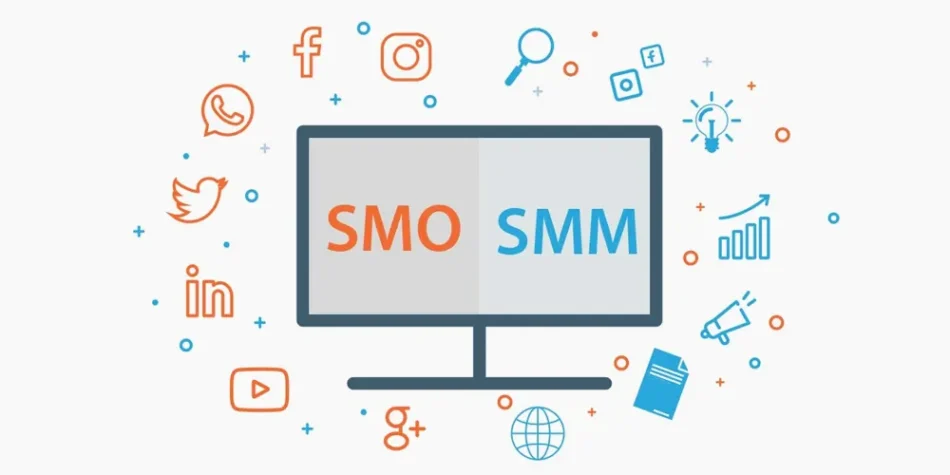
Social media has become an important part of how businesses communicate with customers, showcase products, and build lasting relationships. Platforms such as Facebook, Instagram, LinkedIn, and Pinterest allow brands to connect with relevant audiences, share useful information, and develop a recognizable online identity.
However, simply creating social media profiles is not enough to achieve consistent results. Businesses need a planned approach to content creation, profile optimization, audience engagement, and performance tracking. This is where social media optimization (SMO) can make a difference.
SMO focuses on improving a brand’s presence across social media platforms so that its content becomes easier to discover, more engaging, and better aligned with business goals. When implemented strategically, it can support brand awareness, website traffic, customer relationships, and lead generation.
What Is Social Media Optimization?
Social media optimization is the process of improving social media profiles, content, and publishing strategies to strengthen a business’s online presence. It involves using relevant keywords in profile descriptions, maintaining consistent branding, publishing valuable content, and encouraging meaningful audience interaction.
Unlike paid social media advertising, which involves spending money to distribute advertisements, organic SMO focuses on improving content quality, discoverability, and engagement through platform-specific best practices.
Businesses can use SMO alongside search engine optimization, content marketing, and paid campaigns to create a more connected digital marketing strategy.
1. Improve Brand Visibility Across Social Platforms
A consistent social media presence makes it easier for potential customers to recognize and understand a brand. Complete profiles, clear descriptions, branded visuals, and relevant content help communicate what a business offers.
Each platform serves a different purpose. LinkedIn may be suitable for B2B networking and professional insights, while Instagram can support visual storytelling and product discovery. Facebook may help businesses build communities and share updates with customers.
Choosing the right platforms allows brands to concentrate on the audiences and content formats that best match their goals.
Businesses looking to strengthen their social presence can explore SMO services in India to understand how a structured optimization strategy can support their digital marketing objectives.
2. Create Content That Encourages Engagement
Useful content gives people a reason to follow a brand and interact with its posts. Educational tips, industry updates, short videos, infographics, product demonstrations, and customer stories can all contribute to a balanced content strategy.
The most effective content depends on the target audience, platform, and business objective. A professional services company might publish expert insights and practical guides, whereas a retail brand may focus on product demonstrations and visual storytelling.
Businesses should also maintain a consistent publishing schedule without sacrificing content quality. Testing different formats and reviewing audience responses can help identify the topics that generate meaningful engagement.
3. Build Trust Through Consistent Communication
Customers often use social media to learn about businesses before contacting them or making a purchase. An active and professional profile can help establish credibility by providing useful information, answering questions, and demonstrating industry knowledge.
Responding to comments and messages shows that a business values its audience. Sharing genuine customer feedback, addressing concerns transparently, and keeping business information updated can further strengthen relationships.
Social media should be treated as a two-way communication channel rather than simply a place to publish promotional messages.
4. Drive Relevant Traffic to Your Website
Social media can introduce users to a business’s website, service pages, blog articles, and other useful resources. Sharing relevant content with a clear description and an appropriate call to action can encourage interested audiences to explore a brand further.
For better results, every post should have a clear purpose. An educational post might direct users to a detailed article, while a service announcement could encourage them to visit a relevant landing page.
Tracking referral traffic through website analytics helps businesses identify which platforms and content types bring visitors who spend time exploring the site or complete valuable actions.
5. Support SEO With a Strong Social Media Presence
Social media optimization and search engine optimization serve different purposes, but they can complement one another. Social platforms provide additional channels for distributing articles, videos, guides, and other valuable content.
When people discover and share useful content, it may reach new audiences, attract attention from publishers, and create opportunities for natural references to the original website.
Social engagement metrics should not be confused with direct search ranking factors. Instead, businesses can view social media as a supporting channel for content distribution, brand discovery, and audience development.
Combining SMO with relevant SEO activities helps maintain a more consistent presence across digital channels.
6. Use Analytics to Refine Your Strategy
Successful social media optimization requires continuous learning. Rather than measuring performance only through follower counts, businesses should identify the metrics that align with their objectives.
Useful metrics include reach, engagement rate, profile visits, link clicks, website referral traffic, enquiries, and conversions. The most relevant measurements depend on whether the primary goal is awareness, community development, or lead generation.
Regular reviews help businesses discover which topics resonate with their audiences, identify underperforming content, and refine their publishing schedules.
Over time, a data-informed approach can make social media activity more focused and easier to evaluate.
7. Work With an SMO Company for a Structured Approach
Managing multiple social media platforms requires planning, creativity, consistency, and performance analysis. Businesses with limited internal resources may find it difficult to coordinate all these activities while managing their regular operations.
An experienced SMO services in India can help businesses plan content, optimize profiles, maintain brand consistency, and measure campaign performance. The right approach should be tailored to the business’s industry, target audience, resources, and growth objectives.
Before choosing a service provider, businesses should review its proposed strategy, reporting process, communication practices, and understanding of their marketing goals. A clear plan helps ensure that social media activity supports broader business priorities.
You May Also Visit: SDAD Technology
Conclusion
Social media optimization is an important part of building a recognizable and engaging digital presence. By maintaining optimized profiles, publishing valuable content, interacting with audiences, and reviewing performance data, businesses can develop stronger relationships with potential customers.
The most effective SMO strategy focuses on consistency and relevance rather than pursuing engagement numbers alone. When combined with content marketing and SEO, it helps businesses reach new audiences and create a more connected online brand experience.
With a well-planned approach to social media optimization, businesses can strengthen brand awareness, encourage meaningful engagement, and support sustainable digital growth.


