 WhatsApp Us Now
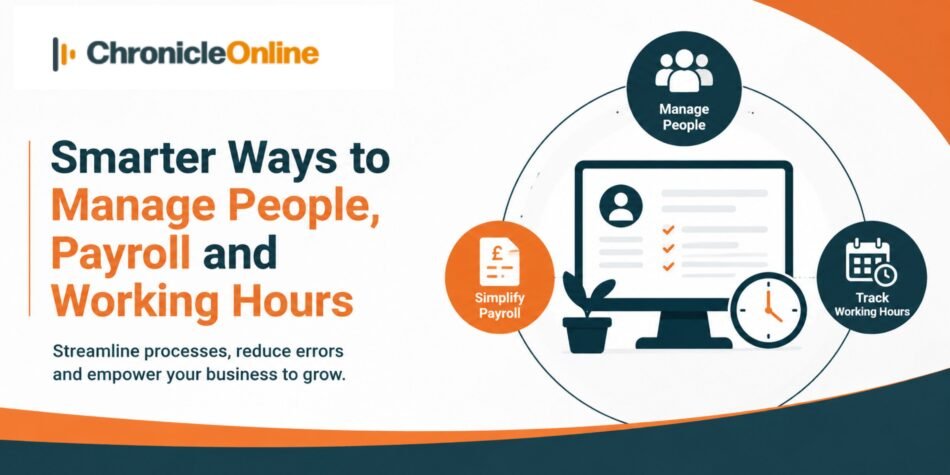
Running a growing business involves much more than bringing in new customers and completing daily tasks. Managers also need to keep employee records organised, process wages accurately, monitor working hours and respond to changing staff needs. When these responsibilities are handled manually, small mistakes can quickly become time-consuming problems.
Building a More Organised Workplace
Good workforce administration starts with having clear information in one place. HR software management can help businesses organise employee details, monitor attendance and support everyday administrative duties without relying heavily on spreadsheets or paperwork. Having accessible records makes it easier for managers to check information, identify gaps and keep routine processes moving.
A well-organised approach can also improve communication between employees and managers. When working hours, leave information and staff records are easier to access, there is less uncertainty around everyday responsibilities. This can save valuable administrative time while giving managers a clearer view of their workforce.
Making Payroll Easier to Handle
Payroll is another area where accuracy matters. Employees expect their wages to be calculated correctly and paid on time, while businesses need to maintain accurate records and meet their responsibilities. Manual payroll processes can become difficult to manage as the number of employees increases.
Reducing Manual Payroll Tasks
Using cloud based payroll software can make payroll administration more straightforward by bringing important information together digitally. Instead of repeatedly entering figures across different systems, businesses can manage payroll information in a more organised environment.
Digital payroll processes can also help reduce common errors caused by duplicate data entry or outdated records. Managers can spend less time checking routine calculations and more time dealing with matters that require their attention. For growing organisations, this can make payroll easier to manage without adding unnecessary administrative pressure.
Supporting Flexible Working Arrangements
The way people work has changed considerably. Employees may have different schedules, working patterns and responsibilities, making traditional fixed arrangements less suitable for some businesses. Providing flexibility can help organisations respond to these changing expectations while still maintaining proper oversight.
Keeping Track of Changing Schedules
Flexible arrangements need clear records. Managers should know when employees are working, whether scheduled hours have been completed and how changes affect staffing requirements. Reliable attendance records can provide useful information without requiring managers to constantly chase employees for updates.
Businesses introducing flexi time working can benefit from clear processes that allow employees to manage their hours while giving managers suitable visibility. The aim is not simply to offer flexibility, but to create a system where working arrangements remain practical, transparent and fair.
Improving Everyday Workforce Administration
Workforce management becomes easier when information can be accessed quickly and consistently. Managers often need to review attendance, check staff availability, approve leave or investigate differences between scheduled and recorded hours. Having reliable records can make these tasks considerably simpler.
Better Information for Managers
Accurate information can also support better planning. If a business regularly reviews working patterns, it may identify busy periods, staffing shortages or areas where additional resources are required. These insights can help managers make decisions based on actual workforce information rather than assumptions.
A digital approach can be particularly useful for businesses with employees working across different locations or departments. Instead of depending on separate spreadsheets or paper records, managers can work from consistent information and maintain better visibility across everyday operations.
Creating a Smoother Employee Experience
Good administration benefits employees as well as managers. Clear records can make it easier for staff to understand their working hours, leave arrangements and payroll information. When processes are straightforward, employees are less likely to spend time contacting managers about basic administrative questions.
This can also build confidence in workplace processes. Employees want to know that their hours are recorded properly and that important information is handled consistently. A reliable system can support this expectation while helping managers maintain accurate records.
Choosing Practical Digital Solutions
Not every business has the same workforce requirements. A small company may need a simple way to organise employee information, while a larger organisation may require broader workforce management capabilities. The most useful solution is one that fits existing processes and can continue to support the business as it grows.
Looking Beyond Short-Term Needs
Before choosing new software, businesses should consider the tasks they currently find difficult and the areas likely to become more demanding in the future. Payroll, attendance, employee records and scheduling may all become harder to manage as the workforce expands.
It is also important to consider ease of use. A system that is difficult for managers or employees to understand may create more work rather than less. Practical features, straightforward access and reliable information should therefore be key considerations when reviewing digital workforce tools.
Final Thoughts
Effective workforce administration does not have to be complicated. By moving away from scattered paperwork and repetitive manual processes, businesses can create more organised ways of managing employees, payroll and working hours. The right digital approach can reduce administrative pressure, improve visibility and support more consistent workplace processes. For organisations looking to modernise everyday workforce tasks, Chronicle Online provides practical tools designed to help businesses manage their people and administrative responsibilities more efficiently.
Frequently Asked Questions
1. Why is digital workforce management useful for businesses?
Digital workforce management can bring employee information, attendance records and administrative tasks into a more organised environment. This can reduce repetitive work and make important information easier for managers to access.
2. Can payroll software help reduce administrative work?
Yes. Digital payroll tools can reduce repetitive data entry, organise payroll information and support more consistent processing. This can be particularly useful as a business grows and payroll becomes more complex.
3. How can businesses manage flexible working effectively?
Businesses can use clear working policies, accurate attendance records and suitable digital tools to monitor working patterns. This allows employees greater flexibility while helping managers maintain visibility of scheduled and completed hours.


