 WhatsApp Us Now

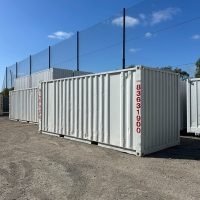
Tools, materials and equipment are costly to replace on any work site. Leaving them exposed raises the risk of theft, weather damage, and lost time. Site boxes provide lockable storage that withstands the weather and stays close to the work. For larger stock, many businesses also consider container sales from Melbourne suppliers, which add more space and last for years.
Choosing Between Site Boxes and Larger Containers
The right choice depends on what you store and how long the project runs. Site boxes suit tools, power equipment, and small materials that workers need all day. They are easy to move and take up a little room. Larger containers suit bulk materials, machine parts and gear that stay on site for months. Some businesses use both daily tools in a box and spare stock in a container. Good storage also helps workers find items quickly, which saves time each day.
Size is the first factor to weigh. A box that is too small causes clutter and wastes time. One that is too big takes up useful ground. Measure the longest item you need to store and allow space for shelves where needed.

What to Check Before You Buy
A careful check can prevent costly problems after delivery. Small details often decide how well a unit performs over time. Whether you are weighing site boxes or browsing container sales in Melbourne yards list, these points matter.
- Security: Look for strong doors, covered hinges, and solid locking points. Extra locks or bars add more protection.
- Condition: Check the walls, roof and floor for rust and dents. Surface wear is common on used units, but serious faults are a concern.
- Weather resistance: Door seals and roof panels should keep out water and dust. This protects timber, paperwork, and power tools.
- Airflow: Stored goods can suffer from damp and moisture without fresh air. Vents help lower this risk.
- Access: Consider door width, floor height and how well trolleys or forklifts can enter the unit.
Ask whether the unit is new or used and request clear details about its history and any repairs.
Planning Delivery and Placement
Many buyers forget delivery until the unit arrives. The site needs a firm, level surface, and enough room for a truck or crane to place the unit safely. Overhead power lines, narrow gates, and soft ground can all cause delays. A site visit or a few photos helps the supplier plan the drop well. Delivery costs can vary with distance and access, so ask for a full quote.
Council or landlord rules may also apply, mainly for long-term placement. Confirm these before you order to avoid the cost of moving the unit later.
A well-chosen unit protects your equipment, keeps the work area tidy and supports a safer site. Compare sizes, security features and condition, and ask for written details before you commit. A trusted supplier adds confidence to the unit.


