 WhatsApp Us Now
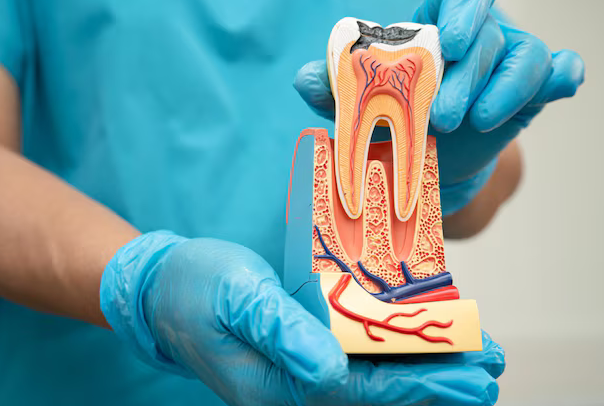
A root canal treatment also referred to as endodontic therapy—is a dental procedure aimed at saving a severely damaged or infected tooth Louisville KY root canal by removing the inflamed or infected pulp within its root canals. The procedure involves carefully cleaning, shaping, disinfecting, and sealing the interior of the tooth, and is highly effective at relieving pain and preserving natural tooth function.
Why It’s Needed
The pulp inside a tooth contains nerves and blood vessels. When damage occurs—caused by deep decay, cracks, trauma, or repeated dental work Louisville KY root canal bacteria can penetrate, causing infection, pain, and abscesses. Untreated, the infection may spread, leading to bone loss or systemic health issues.
Step-by-Step Procedure
- Diagnosis & Planning
Your dentist or endodontist begins with diagnostic tests—such as X-rays, sensitivity tests, and clinical evaluation—to assess the tooth’s condition and whether root canal is the best option.
- Local Anesthesia
A local anesthetic is administered to ensure the Louisville KY root canal procedure is pain-free. Modern techniques make root canals no more uncomfortable than having a filling place.
- Isolation
A rubber sheet (dental or rubber dam) is positioned around Louisville KY root canal the tooth to keep it clean and dry—preventing saliva and infection during treatment.
- Access Opening & Pulp Removal
A small opening is drilled into the tooth to access the pulp chamber. Diseased pulp is removed using tiny files and disinfected with irrigants like sodium hypochlorite.
- Cleaning & Shaping
The root canals are meticulously shaped and cleaned using manual or rotary instruments. The canals are irrigated with antimicrobial solutions to eliminate bacteria and debris.
- Sealing the Canals
Once cleaned, the empty canals are filled with a rubber-based material called gutta-percha, along with sealer paste, to form an effective seal.
- Temporary Restoration
If the treatment spans multiple visits, a temporary filling is placed to seal the access hole. If completed in one visit, this step may be skipped.
- Final Restoration
To restore strength and function, the tooth typically Louisville KY root canal receives a crown. Especially teeth with large damage or extensive decay benefit from this protective final step.
Recovery & Follow-Up
- Post-treatment discomfort is typically mild and short-lived. Over-the-counter pain relief is usually sufficient.
- Most individuals return to normal activity within 24 hours; soft foods and avoiding chewing on the treated tooth are recommended until it’s fully restored.
- Regular check-ups help monitor healing and ensure long-term success.
Risks & Complications
Root canals are highly successful—success rates can approach 97%, even eight years post-treatment. However, complications can occur:
- Instrument fracture: Files may break inside the canal. Louisville KY root canal If this happens, careful management or surgical retreatment may be necessary.
- Missed anatomy: Hidden canals or branching can lead to incomplete cleaning and failed outcomes.
- Perforation: Accidental breaches can occur, but specialized materials like MTA can be used to repair them.
Benefits & Longevity
The top reason for choosing a root canal over extraction is preserving your natural tooth—maintaining normal bite strength, chewing efficiency, Louisville KY root canal and aesthetics. With proper care, teeth that undergo root canal treatment can last a lifetime.
Alternatives to Root Canal
When root canal isn’t suitable, alternatives include:
- Tooth Extraction followed by implant, bridge, or denture placement.
- Apicoectomy: Surgical removal of the root tip and surrounding infected tissue.
- Pulpotomy or Pulp Capping: Used mainly in children or specific cases to preserve part of the pulp
Root canal therapy is a safe, effective, and widely used treatment to salvage damaged or infected teeth. With advances in anesthesia, Louisville KY root canal instrumentation, and restoration, the procedure is now routine, reliable, and minimally discomforting. It offers the significant benefits of preserving your natural tooth retaining function, preventing further dental issues, and maintaining overall oral health.


