 WhatsApp Us Now

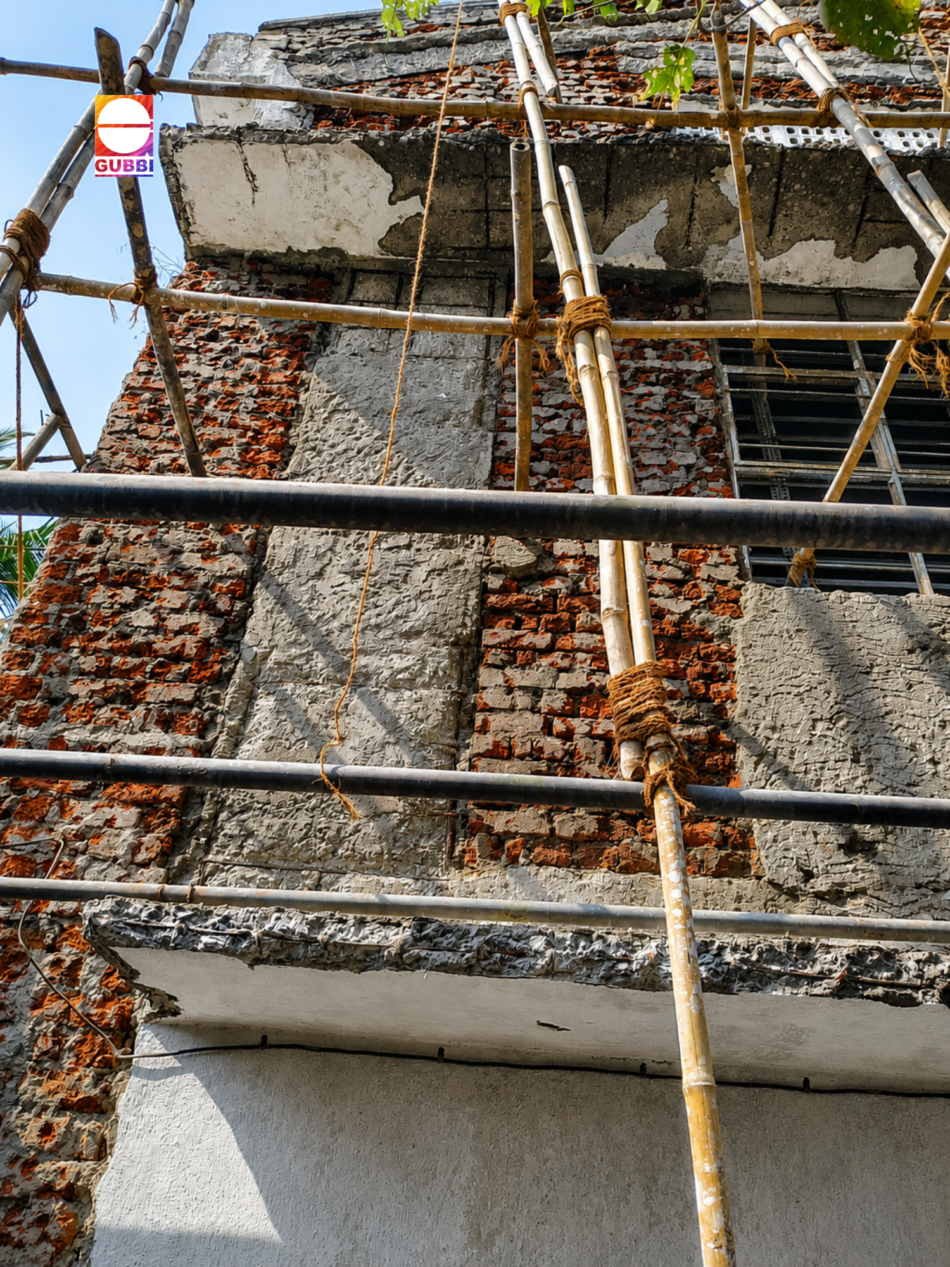
Retrofitting is a practical approach for improving the performance of an existing structure without immediately resorting to demolition and reconstruction. Industrial buildings, commercial facilities, warehouses, plants, and infrastructure assets can develop structural deficiencies because of ageing, increased loads, environmental exposure, corrosion, changes in use, or earlier construction limitations. A planned retrofitting solution helps address these concerns while allowing the existing asset to remain useful and operational for longer periods.
Why Existing Structures Need Retrofitting
The need for retrofitting usually becomes clear when an existing structure no longer performs as required. Cracks, concrete deterioration, reinforcement corrosion, excessive deflection, reduced load capacity, or changes in operational requirements can create a need for structural intervention. In some projects, additional equipment, machinery, floors, or revised usage also changes the original loading conditions. Retrofitting contractors therefore begin by understanding the actual condition before recommending a strengthening method.
A major advantage of structural retrofitting is that it focuses on upgrading an existing asset rather than treating every deficiency as a reason for complete replacement. This can be particularly important for industrial and commercial facilities where demolition may interrupt operations, affect production schedules, and create substantial material waste. The right intervention depends on structural assessment, project objectives, accessibility, loading requirements, and the condition of individual members within the existing structure.
Structural Assessment Before Retrofitting
Before selecting any retrofitting services, a detailed structural assessment should be considered. Engineers need to understand what has caused the deficiency and whether the issue is local or connected to the wider structural system. Visual inspection, documentation review, material investigation, reinforcement assessment, and suitable testing can help establish the existing condition. This information provides a technical basis for deciding whether repair, strengthening, rehabilitation, or a combination of methods is required.
Structural retrofitting is not a single technique that can be applied to every building or infrastructure asset. Different members may require different solutions depending on their function and deficiency. Columns may need additional confinement or section enhancement, while beams may require flexural or shear strengthening. Slabs, foundations, joints, and other structural elements can also require specific interventions. The selected method should always correspond to the identified structural requirement rather than appearance alone.
RCC Column Strengthening
RCC column strengthening is one of the commonly considered applications in structural retrofitting. Existing columns can lose performance because of corrosion, deterioration, inadequate capacity, damage, or increased loading. Depending on the assessment, solutions may include RCC jacketing, steel jacketing, micro-concrete applications, or fibre-based strengthening. The objective is to improve the required structural performance while considering member dimensions, connections, load transfer, construction access, and the operational conditions surrounding the work area.
Beam Strengthening for Increased Performance
Beam strengthening becomes important when an existing beam cannot adequately meet the required flexural, shear, or serviceability performance. Increased loads, alterations to the building, deterioration, or design deficiencies can influence beam capacity. Depending on the engineering requirement, strengthening may involve steel sections, fibre-reinforced systems, additional concrete, or other engineered arrangements. Proper detailing is essential because strengthening a beam also requires attention to how forces are transferred into adjoining columns, slabs, and connections.
Slab Retrofitting for Changing Loads
Slab retrofitting can be required when floor loading changes, deterioration affects the slab, or existing performance is inadequate for the intended use. Industrial and commercial facilities may introduce heavier equipment, storage loads, partitions, or operational changes that were not part of the original design assumptions. A suitable strengthening strategy can improve the slab’s required capacity and service performance. The method should be selected after evaluating thickness, reinforcement, spans, support conditions, cracks, and actual loading.
Foundation Strengthening and Retrofitting
Foundation strengthening is another important part of retrofitting when existing foundations are unable to safely support revised structural demands. Changes in superstructure loading, settlement, soil conditions, deterioration, or modifications to the building can influence foundation performance. Depending on the project, engineers may consider underpinning, foundation enlargement, strengthening of existing members, or suitable ground improvement measures. Since foundations transfer structural forces into the ground, their assessment should consider both the existing structure and supporting soil conditions.
Seismic Retrofitting of Existing Structures
Seismic retrofitting is required when an existing structure needs improved performance against earthquake-related demands. Older structures may have been designed using different requirements, while changes in use or updated assessment can identify weaknesses in the structural system. Seismic strengthening may involve improving columns, beams, joints, walls, diaphragms, or other critical elements. The objective is not simply to add material, but to improve the overall structural behaviour, load path, ductility, and resistance required for the project.
Carbon Fibre Wrapping in Retrofitting
Carbon fibre wrapping is another technique used in selected structural strengthening applications. CFRP systems can provide high-strength reinforcement with relatively low added weight and limited changes to member dimensions. They may be considered for columns, beams, slabs, and other suitable concrete members after engineering evaluation. Their effectiveness depends on correct surface preparation, design, material selection, installation, curing, and detailing. Fibre-based strengthening should therefore be treated as an engineered system rather than a simple surface treatment.
Steel Jacketing for Structural Strengthening
Steel jacketing can be considered where an existing structural member needs additional capacity, confinement, or protection through a steel strengthening arrangement. It can be useful for selected columns and other members where site conditions and structural requirements permit installation. The design must account for connection details, load transfer, corrosion protection, fire considerations, clearances, and construction sequence. A properly designed steel strengthening system should work with the existing member rather than simply being placed around it.
Micro-Concrete Jacketing
Micro-concrete jacketing can support the strengthening or restoration of selected RCC members where additional section capacity is required. The technique can help form a new strengthening layer around an existing member after appropriate preparation and reinforcement detailing. Its application requires careful attention to substrate condition, bonding, reinforcement placement, formwork, material flow, curing, and load transfer. The suitability of micro-concrete should be determined from the structural assessment and the specific requirements of the member being strengthened.
Structural Repair vs Structural Retrofitting
Retrofitting contractors also need to consider the difference between structural repair and structural strengthening. Repair generally focuses on addressing damage, deterioration, cracking, corrosion, or loss of concrete, with the objective of restoring the affected area. Strengthening goes further by improving structural capacity or performance. Many projects require both because damaged concrete or reinforcement may need treatment before a strengthening system can function properly. Understanding this distinction helps owners plan the work according to actual structural needs.
Retrofitting Without Major Operational Disruption
Operational continuity is an important consideration for industrial and commercial retrofitting projects. A facility may need to continue production, storage, utilities, or other activities while strengthening work is carried out. For this reason, project planning should consider access restrictions, work zones, sequencing, safety controls, temporary support, noise, dust, curing periods, and coordination with operations. A well-planned retrofitting programme can reduce unnecessary disruption while maintaining the required quality and safety during execution.
Addressing the Cause, Not Just the Visible Damage
The choice of retrofitting services should also consider the reason behind the deficiency. Treating visible cracks without understanding the underlying cause may provide only a temporary improvement. For example, corrosion, excessive loading, movement, water ingress, poor detailing, or foundation-related issues may continue affecting the structure if they are not addressed. Retrofitting is most effective when the intervention responds to the actual mechanism of deterioration or inadequate performance identified during assessment.
Retrofitting vs Rebuilding
Project cost is another factor considered when owners compare retrofitting with rebuilding. However, the decision should not be based only on the initial construction price. Existing asset value, demolition requirements, downtime, production interruption, disposal, new construction, permissions, services, and schedule can influence the overall project economics. A technically suitable retrofit may preserve usable portions of the existing asset while addressing specific deficiencies. The final decision should therefore consider lifecycle requirements rather than a single cost figure.
Choosing the Right Retrofitting Contractors
Choosing suitable retrofitting contractors is important because the quality of execution can directly influence the performance of the strengthening system. Owners should evaluate the contractor’s experience with comparable industrial, commercial, or infrastructure structures, technical capabilities, safety practices, quality procedures, and ability to coordinate with structural engineers. Clear documentation of the assessment, proposed methodology, materials, sequence, testing, and completion requirements can also help maintain accountability throughout the project.
Typical Retrofitting Project Process
A typical retrofitting project can move through several stages, beginning with an understanding of the client’s concern and the existing structural condition. This may be followed by inspection, testing where required, structural analysis, identification of deficient elements, selection of strengthening measures, preparation of methodology, and execution. Quality checks should continue during installation rather than only at completion. The final objective is to ensure that the implemented intervention corresponds with the intended structural performance.
Where Retrofitting Services Can Be Applied
Retrofitting can be relevant to many existing assets, including industrial plants, commercial buildings, warehouses, institutional facilities, bridges, parking structures, marine infrastructure, and other concrete or steel systems. Each asset presents different exposure conditions, loading patterns, access limitations, and operational requirements. For this reason, a method that works for one project may not be suitable for another. Site-specific engineering evaluation remains essential for selecting appropriate materials, detailing, sequencing, and protection measures.
Importance of Early Structural Assessment
For owners considering retrofitting, early assessment can make the decision-making process clearer. Instead of waiting for visible deterioration to become severe, a planned inspection can identify areas requiring attention and help establish priorities. Where strengthening is necessary, early planning can improve coordination with operations, procurement, safety arrangements, and project scheduling. A structured approach also helps distinguish urgent structural issues from cosmetic defects, allowing investment to be directed toward problems that affect actual performance.
Selecting a Suitable Retrofitting Partner
When selecting a partner for a retrofitting project, look beyond the service name and examine how the contractor approaches the structure as a whole. Gubbi Civil Engineers Limited can be considered for industrial, commercial, and infrastructure requirements where assessment-led repair, strengthening, and rehabilitation are needed. The appropriate solution should be developed around the existing condition, required performance, site constraints, and project objectives, with execution planned to support safety, quality, and operational continuity.
Building for Future Structural Requirements
Ultimately, successful retrofitting is about making an existing structure capable of meeting its required future demands. It combines assessment, engineering judgement, appropriate strengthening technology, careful execution, and quality control rather than relying on a single repair product. Whether the requirement involves RCC column strengthening, beam or slab strengthening, seismic upgrades, foundation intervention, or another structural solution, the starting point should always be a clear understanding of the structure and the performance it needs to achieve.
Asset Life Extension Retrofitting provides a structured way to improve existing structures when their current performance no longer meets operational, loading, safety, or service requirements. The right solution depends on accurate assessment and appropriate engineering rather than selecting a technique simply because it is widely used. From RCC column strengthening and beam strengthening to seismic retrofitting and foundation intervention, carefully planned retrofitting services can help existing industrial, commercial, and infrastructure assets meet changing requirements.


