 WhatsApp Us Now

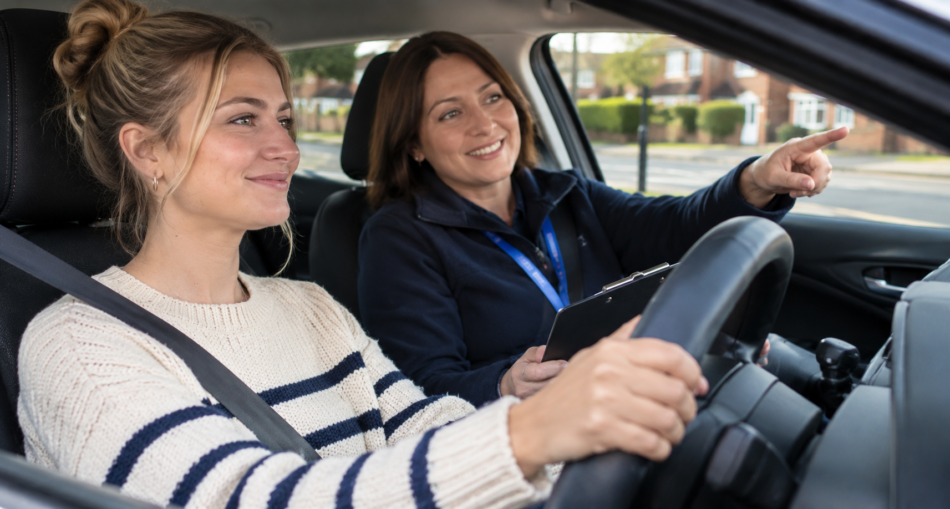
Learning to drive is an important milestone, bringing a new sense of independence and freedom. However, becoming a confident driver involves much more than learning how to operate a vehicle. It requires patience, awareness, good judgement and the ability to make safe decisions in changing road conditions.
For many learners, the early stages can feel overwhelming. Coordinating the clutch, accelerator and gears while watching traffic, checking mirrors and following road signs takes practice. With the right guidance, these challenges gradually become manageable.
Choosing a manual driving instructor is about finding someone who can turn complicated driving techniques into practical, understandable lessons. A good learning experience should develop confidence naturally, helping learners understand not just what to do, but why certain actions are important.
Why Is Learning to Drive a Manual Car Still a Valuable Skill?
Although automatic vehicles are becoming increasingly popular across the UK, learning in a manual car continues to offer several advantages.
The most obvious benefit is flexibility. Passing a practical driving test in a manual vehicle allows drivers to operate both manual and automatic cars, whereas an automatic-only licence restricts them to automatic vehicles.
Manual driving also encourages learners to develop a stronger understanding of vehicle control. They become familiar with engine response, gear selection, clutch movement and how different road conditions influence driving decisions.
For example, approaching a steep hill requires more than simply pressing the accelerator. Drivers must understand the biting point, select an appropriate gear and maintain sufficient control to move safely without rolling backwards.
These skills can be particularly useful when driving unfamiliar vehicles or travelling through different environments.
However, every learner has different abilities and preferences. The decision to learn in a manual car should reflect personal circumstances, future requirements and comfort behind the wheel.
What Makes a Good Driving Instructor?
A successful learning experience depends heavily on the quality of instruction. Driving lessons should never feel like a race to complete a particular number of hours.
An experienced manual driving instructor understands that learners develop at different speeds. Some may quickly become comfortable with clutch control but struggle with roundabouts. Others might understand road positioning but need additional practice with gear changes.
A good instructor recognises these differences and adjusts the teaching approach accordingly.
Several qualities make a real difference:
- Clear communication: Instructions should be straightforward, timely and easy to understand.
- Patience: Learners need sufficient time to practise unfamiliar techniques without feeling pressured.
- Constructive feedback: Mistakes should be explained in a way that helps learners improve.
- Structured lessons: Each session should have clear learning objectives.
- Safety awareness: Developing responsible driving habits should remain the priority.
An effective instructor also encourages questions. If a learner does not understand why a particular action is necessary, explaining the reasoning can make the lesson considerably more valuable.
Understanding Clutch Control Without Feeling Overwhelmed
Clutch control is often one of the first challenges learners encounter when getting behind the wheel of a manual vehicle.
Finding the biting point can initially feel unusual. Releasing the clutch too quickly may cause the engine to stall, while applying insufficient acceleration can make moving away difficult.
The best approach is to understand the process gradually.
Start by becoming familiar with the clutch pedal and its movement. Practise identifying the biting point in a safe environment before progressing to moving away on quiet roads.
Stalling should not be treated as a major failure. It is part of the learning process. Understanding what caused the engine to stop is more useful than worrying about making another mistake.
As learners become more comfortable, they can gradually practise:
- Moving away smoothly from a stationary position.
- Changing gears without unnecessary hesitation.
- Stopping safely at junctions and traffic lights.
- Managing the clutch on uphill roads.
- Controlling the vehicle in slow-moving traffic.
Regular practice helps these movements become more natural, allowing drivers to concentrate on surrounding traffic rather than thinking about every pedal movement.
Learning Road Awareness Beyond Basic Vehicle Control
Operating a vehicle correctly is only one part of becoming a safe driver. Understanding what is happening around the vehicle is equally important.
Consider approaching a busy roundabout. A learner must read road signs, select the correct lane, assess approaching traffic, check mirrors and signal appropriately.
Trying to remember these actions as separate instructions can make the situation confusing. Instead, learners should understand how observation, planning and vehicle control work together.
A manual driving instructor can help develop this awareness through practical experience on different types of roads.
Lessons should gradually introduce learners to:
Residential roads: These help develop basic vehicle control, awareness of pedestrians and safe positioning around parked cars.
Busy junctions: Learners gain experience judging traffic movement, selecting appropriate gaps and making safe decisions.
Roundabouts: These develop observation, lane discipline, signalling and the ability to respond to changing traffic.
Dual carriageways: These introduce higher speeds, safe following distances, appropriate joining and leaving procedures, and effective mirror checks.
Rural roads: These provide opportunities to understand bends, changing road surfaces, limited visibility and the behaviour of other road users.
Experiencing different environments helps learners become adaptable rather than relying on familiar routes.
How Can Learners Overcome Nervousness Behind the Wheel?
Feeling nervous before or during driving lessons is completely normal. Even confident individuals can become anxious when faced with unfamiliar traffic situations.
The key is not to eliminate every feeling of nervousness immediately. Instead, learners should develop practical ways to manage it.
One useful approach is breaking difficult situations into smaller learning objectives.
For example, someone uncomfortable with roundabouts could initially practise quieter locations. Once approach speed, observation and lane positioning become more familiar, they can gradually move towards busier junctions.
Communication also matters. Learners should feel comfortable explaining when they are uncertain or need something explained again.
At Drive With Greta, individual learning requirements form an important part of creating a supportive driving experience. Recognising that everyone develops differently helps make lessons more productive and less intimidating.
Another useful technique is reflecting after every lesson. Rather than concentrating exclusively on mistakes, identify three things:
- What went well during the session?
- Which particular skill needs improvement?
- What should be practised during the next lesson?
This simple habit encourages a positive attitude and makes progress easier to recognise.
How to Get More Value from Every Driving Lesson
Learning does not happen only when the engine is running. Preparation before a lesson and reflection afterwards can significantly improve the overall experience.
Before attending, think about the skills covered previously. If changing gears or approaching junctions caused difficulty, make a mental note to revisit those areas.
During the lesson, listen carefully to instructions and ask questions whenever something is unclear. Understanding the reason behind an instruction makes it easier to remember when facing a similar situation independently.
Afterwards, spend a few minutes reviewing the experience.
A small notebook or digital note can help record:
- Skills covered during the lesson.
- Areas where confidence has improved.
- Mistakes that need further attention.
- Techniques to practise next time.
Private practice can also support professional lessons, provided it is carried out legally with an appropriately qualified supervisor and a suitable, insured vehicle.
Consistency is more important than trying to complete everything quickly. Short, focused learning sessions can be more productive than attempting several unfamiliar techniques at once.
What Should You Look for When Choosing a Manual Driving Instructor?
Selecting the right instructor is an important decision because the relationship can influence both learning progress and confidence.
Before booking lessons, consider the following factors.
Teaching approach: Does the instructor explain techniques clearly and adapt their approach to your learning needs?
Experience and approval: Check that the instructor is appropriately qualified and registered with the relevant UK driving instructor authority.
Lesson structure: Find out whether lessons follow a planned approach and whether progress is reviewed regularly.
Vehicle suitability: Make sure the training vehicle is suitable, properly maintained and comfortable for learning.
Communication: You should be able to discuss concerns, ask questions and receive honest feedback.
Price and availability are also worth considering, but the cheapest option is not necessarily the most suitable.
A good learning relationship should be based on trust, patience and clear expectations.
Preparing for the UK Practical Driving Test
Passing the practical driving test requires more than remembering manoeuvres. Candidates must demonstrate that they can operate the vehicle safely, observe their surroundings and make appropriate decisions independently.
Preparation should include regular practice across different road environments.
Learners should become familiar with independent driving, following road signs or sat-nav directions, responding to traffic conditions and completing the required manoeuvres.
Mock driving tests can also be useful. They provide an opportunity to experience the assessment structure while identifying areas that need additional attention.
If a mock test highlights repeated hesitation, poor observation or difficulties with junctions, these areas can be addressed before the actual examination.
Drive With Greta supports the importance of developing reliable driving habits rather than focusing exclusively on achieving a test pass.
Remember, a driving test is an assessment of your ability to drive safely, not a requirement to perform every action perfectly.
Why Does Learning Continue After Passing the Test?
Receiving a full driving licence is an achievement worth celebrating, but it does not mean that learning has finished.
Newly qualified drivers may still have limited experience with night driving, unfamiliar routes, heavy rain, motorway journeys and unexpected road situations.
Building experience gradually is therefore essential.
Start with manageable journeys, plan unfamiliar routes in advance and avoid distractions. Maintain appropriate following distances and remember that road conditions should influence your speed, even when the speed limit allows you to travel faster.
It is equally important to remain considerate towards other road users.
Pedestrians, cyclists, motorcyclists and other drivers all share the same roads. Good driving involves anticipating their movements, allowing sufficient space and avoiding unnecessary risks.
The skills developed during driving lessons provide the foundation for these decisions, but regular experience helps strengthen them.
Final Thoughts: Developing Confidence That Lasts
Learning to drive should be viewed as a journey towards independence rather than simply a way of obtaining a licence.
From mastering clutch control to navigating complicated roundabouts, every new skill contributes towards becoming a safer and more responsible driver.
The right manual driving instructor makes this process easier by providing structured guidance, practical experience and constructive feedback. More importantly, good instruction encourages learners to understand the road, recognise potential hazards and make sensible decisions independently.
With patience, consistent practice and the willingness to learn from mistakes, even the most nervous beginner can gradually become a capable driver.
Ultimately, the real achievement is not just passing the practical test. It is developing the confidence, awareness and judgement to make every journey a safer one.


