 WhatsApp Us Now
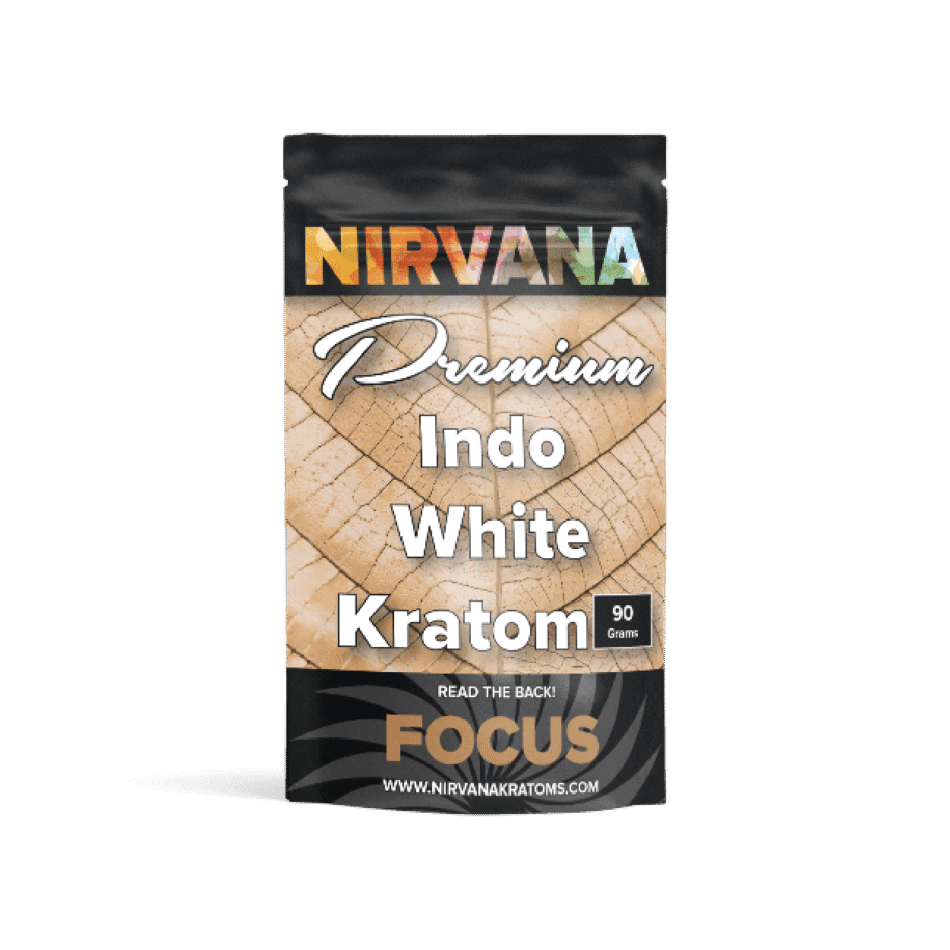
Preserving Botanical Vitality: The Definitive Storage Blueprint
Botanical enthusiasts frequently acquire prized collector specimens, yet safeguarding their structural integrity remains an overlooked discipline. Among Southeast Asian arboraceous derivatives, Green Malay Kratom demands meticulous environmental shielding to prevent biochemical degradation. Maintaining alkaloid longevity hinges entirely on isolating sensitive botanical compounds from environmental catalysts such as ultraviolet radiation, ambient moisture, extreme temperature fluctuations, and atmospheric oxygenation. Whether handling rare leaf powders or contrasting varieties like White Maeng Da Kratom, practitioners must implement strict preservation protocols. Neglecting proper containment parameters quickly compromises structural integrity, diminishing both aromatic profiles and energetic nuances. This manual explores advanced curation strategies, empowering connoisseurs to protect their botanical investments effectively.
The Chemical Vulnerability of Botanical Alkaloids
Mitigating natural breakdown processes requires understanding how external elements interact with delicate organic material. Indole-based alkaloids residing within botanical matrices react unfavorably to sustained heat and atmospheric exposure. When microscopic moisture droplets infiltrate storage vessels, microbial proliferation rapidly destroys the organic substrate, rendering the material unusable.
Understanding Environmental Degradation Vectors
- Ultraviolet Radiation: Photons break down complex chemical structures, rapidly neutralizing active constituents.
- Thermal Fluctuation: Heat accelerates metabolic oxidation, causing premature alkaloid degradation within dried plant matter.
- Moisture Infiltration: Relative humidity above optimal thresholds triggers rapid mold colonies and fermentation.
Selecting Optimal Containment Vessels
Choosing the correct physical container forms the foundation of long-term preservation. Standard plastic bags or thin paper wrappers fail to block ambient light and gaseous exchange, exposing delicate powders to continuous environmental stress. Instead, dedicated curators utilize heavy-duty amber glass jars or medical-grade opaque canisters equipped with airtight silicone seals.
Comparing Storage Materials
| Container Type | Light Protection | Airtight Seal | Moisture Resistance |
| Clear Plastic Bags | None | Poor | Moderate |
| Amber Glass Jars | Superior | Excellent | Superior |
| Opaque Metal Tins | Complete | Good | High |
| Vacuum Pouches | Complete | Superior | Superior |
Vacuum-sealed metallic barrier pouches provide an exceptional defense mechanism, eradicating residual oxygen pockets that typically facilitate oxidation. By eliminating atmospheric air, these specialized enclosures ensure that fine powders retain their complex organoleptic profiles for extended periods.
Microclimate Regulation: Temperature and Humidity Control
Environmental stabilization requires maintaining rigorous climatic boundaries within dedicated storage spaces. Ideal preservation zones remain cool, dark, and consistently dry, mimicking professional pharmaceutical archives.
Temperature Thresholds
Consistent cool environments prevent accelerated molecular agitation. Storing receptacles inside temperature-controlled pantries or specialized cellar compartments protects against seasonal spikes. Refrigeration is generally discouraged unless absolute vacuum sealing prevents condensation buildup upon thermal transition.
Humidity Mitigation
Secondary desiccants, such as food-grade silica gel packets, actively absorb stray moisture inside enclosed spaces. Introducing these absorbent packets safeguards vulnerable supplies against fluctuating atmospheric moisture, ensuring the integrity of Green Malay Kratom remains uncompromised over prolonged timelines.
Avoiding Common Curation Pitfalls
Many botanical collectors inadvertently accelerate degradation through improper handling routines. Storing supplies near culinary ovens, bathroom exhaust vents, or sun-drenched windowsills introduces hostile variables that rapidly diminish product quality. Furthermore, frequent container opening exposes sensitive contents to recurring drafts of warm ambient air and airborne particulate matter.
Best Practices for Daily Access
- Portion Control: Decant small working quantities into secondary containers, leaving bulk reserves sealed in deep storage.
- Sanitary Handling: Utilize clean, dry metallic measuring utensils to prevent introducing biological contaminants into pristine batches.
- Registry Logging: Affix dated batch labels to every container to monitor curation timelines systematically.
Long-Term Viability and Quality Assurance
Implementing meticulous preservation protocols guarantees that botanical specimens retain their initial potency across multi-year horizons. By systematically neutralizing external threats such as light exposure and thermal variance, collectors ensure their investments remain pristine. Whether curating specialty cultivars or standardizing daily regimens, rigorous environmental control remains the absolute cornerstone of superior botanical stewardship.


