 WhatsApp Us Now
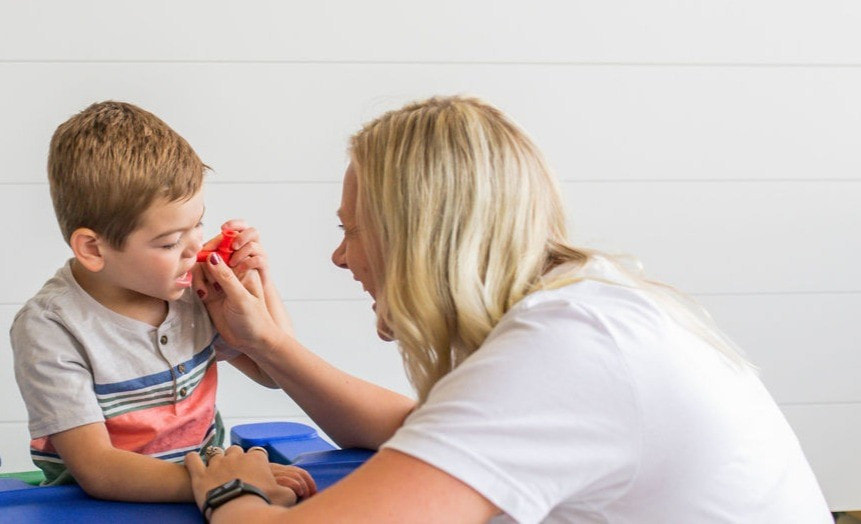
Plaque is a soft, sticky film that forms on the teeth due to the accumulation of bacteria and food particles. It can lead to discoloration, bad breath, and more serious dental issues if not addressed regularly. Consistent oral care routines at home can significantly reduce plaque buildup and maintain a healthy mouth.
Importance of Oral Therapy at Home
Oral Therapy at Home Dubai is crucial for maintaining dental health. It prevents plaque accumulation, reduces the risk of gum inflammation, and contributes to overall oral hygiene. Regular practices can complement professional dental care and help sustain a clean and fresh mouth.
Brushing Techniques to Minimize Plaque
Brushing is the cornerstone of effective oral therapy at home. Using the right techniques ensures that plaque is removed efficiently.
Choosing the Right Brushing Method
Circular motions are most effective in cleaning the tooth surfaces and along the gumline. Gentle back-and-forth strokes on the front teeth help remove plaque from areas prone to buildup. Consistency in technique is more important than duration or pressure applied.
Frequency and Timing
Brushing at least twice daily is recommended. Morning brushing removes overnight plaque, while evening brushing ensures that accumulated food particles and bacteria are cleared before sleep.
Duration Matters
Brushing for a sufficient length of time ensures that plaque is effectively reduced. Each session should last about two to three minutes, covering all areas of the mouth.
Flossing to Reach Hidden Plaque
Flossing complements brushing by reaching areas that brushes cannot access. It is effective in cleaning between teeth and below the gumline.
Proper Flossing Technique
Gently sliding the floss between each tooth and curving it along the side of each tooth helps remove trapped plaque. Flossing should be performed daily to maintain optimal oral hygiene.
Consistency Over Intensity
Regular flossing is more effective than occasional intensive cleaning. Establishing a habit ensures that plaque does not accumulate in hard-to-reach areas.
Mouth Rinsing for Plaque Control
Mouth rinsing supports plaque reduction by removing loose debris and bacteria. Rinsing after meals can prevent the formation of new plaque layers.
Choosing an Effective Rinse Method
Swishing water or a specialized rinse throughout the mouth helps clean surfaces and areas between teeth. Holding the liquid in the mouth for a short period ensures better coverage and cleaning.
Timing and Frequency
Rinsing after meals and snacks can prevent plaque buildup from food residues. Integrating rinsing into daily oral care routines enhances overall dental hygiene.
Diet and Plaque Prevention
What is consumed can influence plaque formation. Foods high in sugar or starch increase plaque production.
Foods That Encourage Clean Teeth
Crunchy fruits and vegetables stimulate saliva production, which naturally washes away particles and bacteria. Including fibrous foods in meals can reduce the chance of plaque accumulation.
Foods to Limit
Sugary snacks and drinks contribute to plaque formation and bacterial growth. Limiting these items can significantly support oral therapy at home.
Hydration and Saliva Production
Adequate hydration is important for maintaining saliva levels. Saliva neutralizes acids and washes away food particles, reducing plaque formation.
Drinking Water Regularly
Sipping water throughout the day helps maintain a moist oral environment and aids in natural cleaning processes.
Stimulating Saliva Naturally
Chewing sugar-free gum or consuming water-rich foods encourages saliva flow, assisting in plaque reduction and overall oral health.
Consistency in Oral Therapy
Maintaining regular oral care routines is essential for effective plaque control. Consistency ensures that plaque does not accumulate and that teeth and gums remain healthy.
Developing Daily Habits
Establishing specific times for brushing, flossing, and rinsing strengthens oral hygiene practices. Repetition reinforces habits that support plaque prevention.
Monitoring Progress
Observing teeth and gums for changes can help adjust routines for better results. A consistent approach ensures long-term oral health.
Benefits of Effective Home Oral Therapy
Implementing oral therapy at home has multiple advantages. It promotes fresh breath, maintains a clean appearance of teeth, and prevents more serious dental concerns. Regular home care supports overall oral wellness and contributes to long-term dental health.
Boost in Confidence
A clean mouth and fresh breath enhance self-confidence. Knowing that plaque is managed effectively encourages better social interactions and personal care.
Prevention of Future Dental Issues
Consistent plaque control reduces the risk of gum irritation, discoloration, and more severe oral health problems. Early prevention through home oral therapy supports lifelong dental wellness.
FAQs
How Often Should Oral Therapy Be Practiced at Home?
Oral therapy should be practiced at least twice daily, with brushing, flossing, and rinsing incorporated into routines to maintain optimal plaque control.
Can Diet Alone Reduce Plaque Effectively?
While a balanced diet helps reduce plaque, it must be combined with brushing, flossing, and rinsing for effective plaque management.
Is Flossing More Important Than Brushing?
Both are essential. Brushing removes surface plaque, while flossing reaches areas between teeth. Together they provide comprehensive plaque control.
How Can One Monitor Plaque Reduction at Home?
Observing tooth surfaces for smoothness and checking for buildup along the gumline can help monitor plaque levels. Consistent practice improves oral health visibly.
Oral Therapy at Home in Dubai is an essential component of dental care. Combining brushing, flossing, rinsing, a balanced diet, and proper hydration forms a comprehensive approach to reducing plaque. Consistency, effective techniques, and regular monitoring ensure that teeth remain clean, gums stay healthy, and overall oral wellness is achieved.


