 WhatsApp Us Now

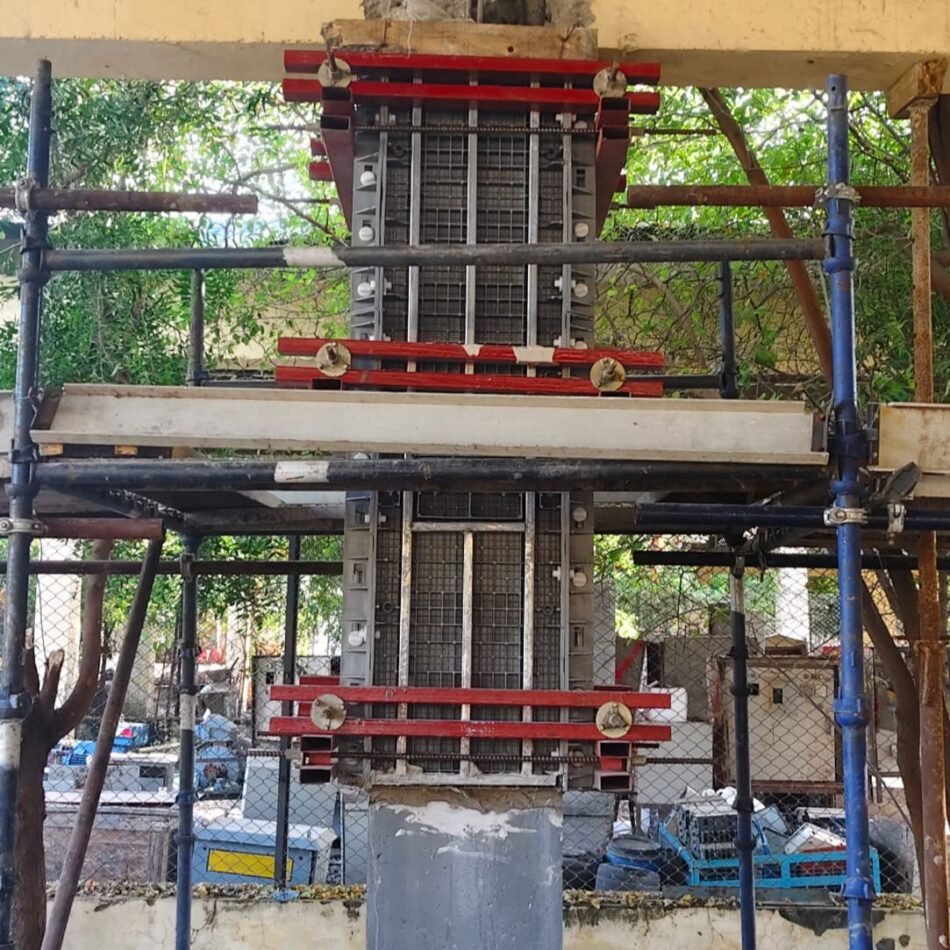
Retrofitting services are increasingly considered when an existing structure needs better strength, stability, or load-carrying performance without replacing the entire asset. Industrial buildings, commercial facilities, warehouses, plants, and infrastructure can develop structural deficiencies because of ageing, corrosion, increased loads, operational changes, or deterioration. The right retrofitting approach begins with understanding the existing condition and then selecting a strengthening method that matches the structural requirement, site limitations, and intended future use.
Structural retrofitting is different from ordinary repair because the objective may extend beyond restoring damaged concrete. A repair can address cracks, corrosion, leakage-related deterioration, or damaged surfaces, while retrofitting can modify an existing member to achieve improved capacity or performance. In many projects, both activities are connected. Damaged concrete may first need treatment before a strengthening system such as column jacketing, micro concrete jacketing, or steel jacketing is introduced.
When Does an Existing Structure Need Retrofitting?
One of the first questions owners ask is when retrofitting becomes necessary. Warning signs can include persistent structural cracks, spalling concrete, exposed reinforcement, corrosion, excessive deflection, changes in loading, or evidence that an existing member cannot meet its required capacity. Retrofitting may also be considered before adding equipment, additional floors, or other loads. A structural assessment helps distinguish cosmetic deterioration from conditions requiring engineering intervention.
The decision to strengthen an existing structure should not be based only on visible damage. Engineers need to understand the member’s original design, present loading, material condition, reinforcement arrangement, previous modifications, and surrounding structural system. Depending on the project, investigation may include visual inspection, measurements, material testing, reinforcement assessment, and structural analysis. These findings help determine whether repair, rehabilitation, strengthening, or a combination of measures is appropriate.
Role of Structural Assessment Before Retrofitting
A detailed structural assessment provides the foundation for selecting suitable retrofitting services. Existing columns, beams, slabs, foundations, and connections may behave differently depending on their condition and loading history. Engineers need to identify the actual cause of distress rather than simply treating visible symptoms. This assessment can also establish whether a member needs additional capacity, improved confinement, section restoration, corrosion treatment, or another form of structural intervention.
Column Jacketing for RCC Strengthening
Column jacketing is widely used when existing RCC columns require increased capacity, stiffness, confinement, or improved structural performance. The basic concept involves creating an additional strengthening layer around the existing column, generally with added reinforcement and a suitable concrete or micro concrete system. The final arrangement depends on the structural design, existing column condition, required capacity, available space, and connection details between the existing member and the new strengthening system.
RCC column jacketing can be useful for columns affected by deterioration, increased loads, inadequate original capacity, or structural modifications. Before execution, unsound concrete may need removal and the existing reinforcement may require cleaning and treatment. Additional reinforcement is then installed according to the engineered design, followed by formwork and placement of the specified concrete system. Proper preparation and load-transfer detailing are important for achieving the intended strengthening performance.
How Column Jacketing Improves Structural Performance
The primary purpose of column jacketing is to improve the performance of an existing structural member by increasing its effective section and providing additional reinforcement or confinement. Depending on the design, the strengthened column can achieve improved load-carrying performance and resistance to structural demands. Jacketing can also be considered where deterioration has reduced the usable condition of the original member. The final design should always be based on calculated structural requirements rather than visual appearance.
Micro Concrete Jacketing Services
Micro concrete jacketing is a specialized approach used where a flowable, high-strength micro concrete material can provide advantages over conventional concrete placement. It is particularly useful around congested reinforcement or confined sections where achieving complete filling with ordinary concrete can be difficult. The method generally involves surface preparation, reinforcement work, formwork installation, and controlled placement of micro concrete. Correct material selection, application, curing, and inspection remain essential.
The main attraction of micro concrete jacketing is its ability to flow into properly prepared and confined spaces around reinforcement. This can help reduce the risk of voids and incomplete filling when the application is designed and executed correctly. It can be considered for columns, beams, and other suitable structural members requiring section enhancement. However, micro concrete should not be selected simply because it is convenient; the structural requirement should determine the system.
Why Micro Concrete Is Used in Jacketing
Conventional concrete placement can become difficult when reinforcement is congested or when the available space around an existing structural member is restricted. Micro concrete is designed for applications where controlled flow and placement are important. In a properly prepared jacket, the material can surround reinforcement and fill the required section. The performance of the finished system still depends on substrate preparation, reinforcement detailing, formwork, material handling, placement, curing, and quality control during execution.
Steel Jacketing for Structural Strengthening
Steel jacketing is another structural strengthening technique used for selected existing members. It generally involves installing steel plates, sections, or fabricated assemblies around or alongside an existing structural element. Steel can provide a practical solution where significant strengthening or confinement is required and where site conditions allow installation. The design must consider connections, anchorage, corrosion protection, clearances, fire requirements, and the way forces will transfer between the existing member and steel jacket.
Steel jacketing can be particularly relevant to heavily loaded columns and selected industrial or infrastructure structures where space, loading, and execution conditions influence the strengthening strategy. Compared with increasing a member’s concrete section substantially, steel systems can sometimes provide strengthening with controlled dimensions. The suitability depends on engineering calculations and site conditions. Welding, bolting, plate thickness, connection details, surface preparation, and protective treatment must all be coordinated carefully during execution.
Column Jacketing vs Steel Jacketing
Column jacketing, micro concrete jacketing, and steel jacketing are not interchangeable solutions. Each method has different material characteristics, construction requirements, dimensions, connection arrangements, and limitations. A column with severe concrete deterioration may need a different intervention from a column requiring additional capacity because of increased equipment loads. Selecting the method after assessment helps avoid unnecessary work and ensures that the strengthening strategy responds to the actual structural deficiency.
Retrofitting for Increased Industrial Loads
Retrofitting services can also become necessary when the use of an industrial facility changes. A floor originally designed for lighter storage may later support heavier equipment, machinery, or material handling systems. Similarly, modifications to production areas can change load paths and impose new demands on columns, beams, slabs, and foundations. Before such changes are implemented, structural evaluation can identify whether existing members require strengthening to accommodate the revised operational requirements.
Retrofitting Aging RCC Structures
Ageing is another common reason for considering structural retrofitting. Over time, concrete can deteriorate because of moisture, aggressive exposure, carbonation, chemical environments, repeated loading, or inadequate maintenance. Reinforcement corrosion can further reduce the effective condition of structural members. When deterioration affects load-bearing elements, surface repair alone may not be sufficient. The intervention may require concrete restoration followed by strengthening through an appropriate jacketing or other engineered system.
Retrofitting in Industrial Environments
Industrial structures can present additional challenges during retrofitting because construction activities may need to occur around operating equipment, utilities, production areas, or restricted access zones. The strengthening plan should therefore consider work sequencing, temporary supports, access, material movement, safety controls, shutdown requirements, and curing periods. A technically suitable method also needs to be practical for the actual site. Good planning can reduce unnecessary interference with ongoing industrial operations.
Preparing the Existing Column Before Jacketing
The condition of the existing column is especially important before selecting a jacketing method. Loose or deteriorated concrete should not simply be covered with a new layer because the underlying condition can affect the performance of the strengthening system. Existing reinforcement, bond surfaces, cracks, corrosion, and section dimensions need appropriate attention. Where required, damaged material is removed and the substrate is prepared so the new strengthening system can function as intended.
Importance of Load Transfer in Jacketing
Load transfer is a critical consideration in structural jacketing. Adding material around an existing column does not automatically mean that the new section will immediately share the required structural forces. The strengthening design needs to establish how the existing and new components interact and how loads are transferred through the system. Reinforcement detailing, connectors, interface preparation, construction sequence, and curing can all influence the effectiveness of the completed strengthening arrangement.
Micro Concrete Jacketing Execution
For projects involving micro concrete jacketing, material placement deserves particular attention. The formwork must provide sufficient containment, while the prepared member and reinforcement arrangement should allow the material to reach the required areas. Proper mixing, pumping or pouring procedures, placement control, and curing help achieve consistent results. Quality checks during execution are valuable because defects hidden inside a jacket can be difficult to identify after the formwork has been removed.
Steel Jacketing Execution and Protection
Steel jacketing also requires careful fabrication and installation. Steel plates or sections must match the approved design, while connections need to provide the required interaction with the existing structural member. Site measurements are important because existing structures may not match old drawings exactly. After installation, protective systems may be required according to the exposure environment and project requirements. Inspection of fabrication, alignment, connections, and finishing helps maintain the expected quality.
Choosing Retrofitting Contractors
Choosing the right retrofitting contractors is therefore more important than selecting a strengthening material based on popularity. Contractors should understand structural repair, member strengthening, site constraints, safety requirements, material handling, and execution sequencing. Experience with industrial and infrastructure environments can be especially useful where access and operational continuity are challenging. The contractor should also be able to coordinate closely with structural engineers, project teams, and site personnel throughout the work.
Typical Retrofitting Project Process
A good retrofitting project normally follows a planned sequence rather than starting directly with construction. The process may begin with inspection and documentation, followed by structural assessment, identification of deficient members, selection of strengthening methods, preparation of drawings and methodology, and planning of execution. Site preparation and safety controls come before strengthening work. After installation, inspection and quality checks help verify that the completed intervention matches the approved technical requirements.
Cost Considerations for Retrofitting
Cost is often an important consideration when owners evaluate retrofitting services, but the lowest initial quotation may not represent the most suitable solution. Material quality, engineering design, access requirements, temporary works, shutdown periods, surface preparation, testing, protective treatment, and future maintenance can influence the overall project value. A technically appropriate strengthening system can help preserve an existing asset while avoiding unnecessary demolition, but its feasibility should be evaluated on project-specific conditions.
Selecting a Suitable Retrofitting Partner
For industrial, commercial, and infrastructure owners, the main objective of retrofitting is usually to improve an existing asset without unnecessarily disturbing its function. The suitable intervention could involve column jacketing, micro concrete jacketing, steel jacketing, beam strengthening, slab strengthening, foundation work, or another structural system. Gubbi Civil Engineers Limited can be considered when evaluating such requirements, with the final method selected according to structural condition, loading, site constraints, and project objectives.
Retrofitting as a Long-Term Structural Strategy
Retrofitting should also be viewed as a planned structural investment rather than a temporary response to visible damage. When an existing structure is assessed early, owners can understand which members require immediate attention and which conditions can be monitored. This approach supports better project planning, budgeting, scheduling, and operational coordination. It can also help prevent small structural deficiencies from developing into larger problems that require more extensive intervention later.
Selecting Between Jacketing Methods
The most suitable jacketing method ultimately depends on what the structure needs to achieve. Column jacketing can increase the effective capacity and improve confinement, micro concrete jacketing can support section enhancement where controlled flow is useful, and steel jacketing can provide a robust strengthening arrangement for selected applications. None should be treated as a universal solution. Engineering assessment, design calculations, site conditions, execution quality, and inspection should guide the final choice.
Structural Life Extension Through Retrofitting
A successful retrofit is not simply about adding concrete, micro concrete, or steel around an existing member. It is about creating a technically appropriate connection between the existing structure and the strengthening system while addressing the reason the intervention was required. This Structural Life Extension Strategy can help owners make better use of existing assets by combining assessment, strengthening, repair, protection, and planned maintenance according to the structure’s future requirements.
Retrofitting services provide a practical engineering route for improving existing structures that face deterioration, increased loads, changing use, or inadequate performance. Column jacketing, micro concrete jacketing, and steel jacketing are valuable strengthening approaches when selected for the right structural condition. The success of any retrofit depends on assessment, design, preparation, material quality, workmanship, load transfer, and inspection. A carefully planned intervention can help existing assets continue serving their required purpose safely and effectively.


