 WhatsApp Us Now

Makkah is home to several locations that hold historical significance in Islamic tradition. Many Muslims visiting for Umrah or Hajj want to learn about these destinations before arriving. Researching makkah ziyarat places can help visitors understand the city’s heritage and make informed travel plans.
Understanding makkah ziyarat places
The term makkah ziyarat places is commonly used for historical locations that visitors may wish to learn about during their stay. These destinations have different backgrounds and connections with Islamic history. Exploring makkah ziyarat places through reliable resources helps pilgrims understand their significance.
For first-time travellers, makkah ziyarat places can be an interesting subject to research before departure. Families can compare makkah ziyarat places according to their available time and mobility needs. Groups may also research makkah ziyarat places to organise a shared itinerary.
Historical visits are optional and should not be confused with the obligatory rites of Umrah or Hajj. Visitors should plan makkah ziyarat places around their main worship commitments.
Notable makkah ziyarat places to Research
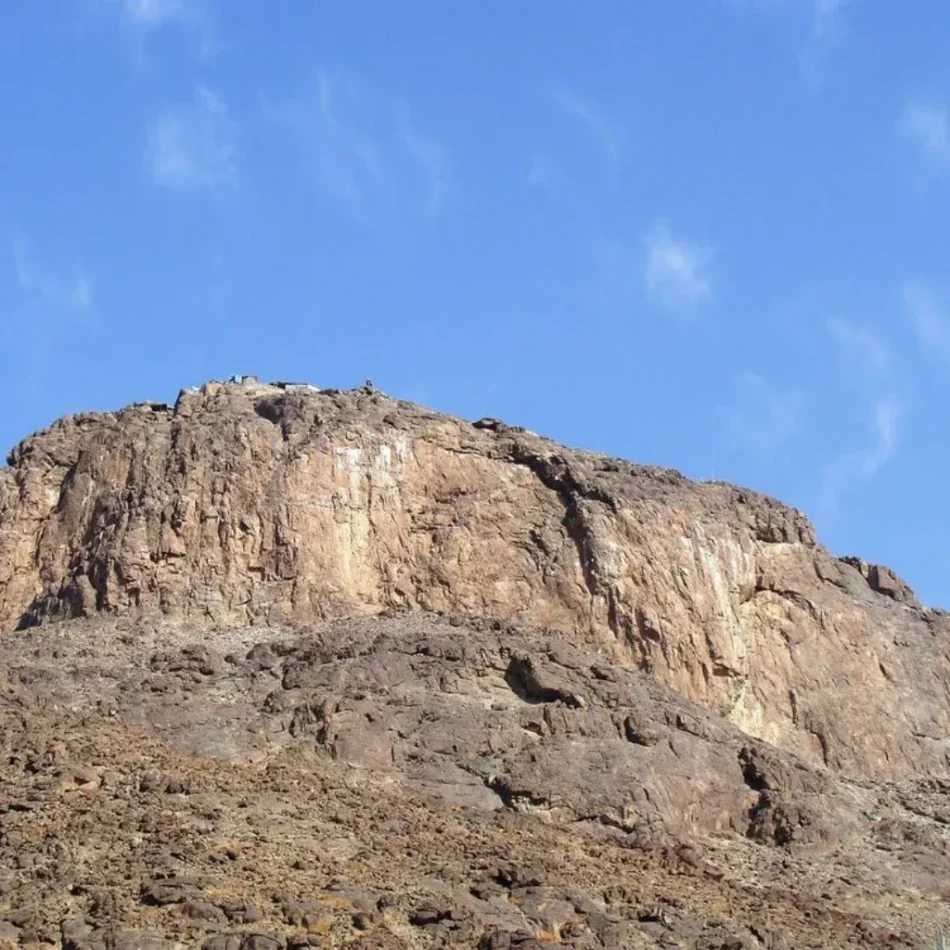
Jabal al-Noor is among the best-known makkah ziyarat places because of its connection with the Cave of Hira and the first revelation. Jabal Thawr is another important destination associated with the Hijrah. Both locations are frequently discussed in guides to makkah ziyarat places.
Jannat al-Mu’alla is a historic cemetery in Makkah. Masjid al-Jinn is another location connected with Islamic tradition. Visitors researching makkah ziyarat places may also want to learn about Masjid Aisha at al-Tan’eem and its connection with entering Ihram.
Hudaibiyah is historically significant because of the Treaty of Hudaybiyyah. Other locations around Makkah and Mina may also appear in guides to makkah ziyarat places. Researching the background of each site helps visitors understand why it is historically important.
Planning Your Visit to makkah ziyarat places
Before choosing makkah ziyarat places, check how much time you have available. Consider travel distances, transport options and the needs of your group. A realistic schedule for makkah ziyarat places should leave time for prayer, meals and rest.
Some makkah ziyarat places involve walking or climbing, which may not be suitable for every visitor. Families should consider older relatives and young children when selecting makkah ziyarat places. Visitors should also verify current access arrangements before travelling.
A useful starting point is this guide to makkah ziyarat places. It introduces ten notable locations and can help visitors research makkah ziyarat places in more detail. Use reliable information when deciding which makkah ziyarat places fit your itinerary.
Etiquette at makkah ziyarat places
Respectful behaviour is important at all makkah ziyarat places. Follow local instructions, dress appropriately and avoid disturbing people who are praying. Visitors should also keep public spaces clean when exploring makkah ziyarat places.
Use trustworthy sources to learn about the history of makkah ziyarat places. Avoid repeating claims that cannot be supported by reliable information. Good research makes visits to makkah ziyarat places more informative and helps prevent misunderstandings.
Access rules and visitor arrangements may change, so confirm current details before setting out. Responsible preparation helps make makkah ziyarat places easier to visit.
A Balanced Pilgrimage Experience
Umrah and Hajj should remain the main focus of the pilgrimage. Plan makkah ziyarat places around the required acts of worship and allow enough time for rest. Avoid trying to visit every destination in a single day.
With proper research, makkah ziyarat places can provide an opportunity to learn about the history of the holy city. Choose locations carefully, verify current guidance and maintain a flexible schedule. A respectful approach makes exploring makkah ziyarat places more organised and meaningful.


