 WhatsApp Us Now

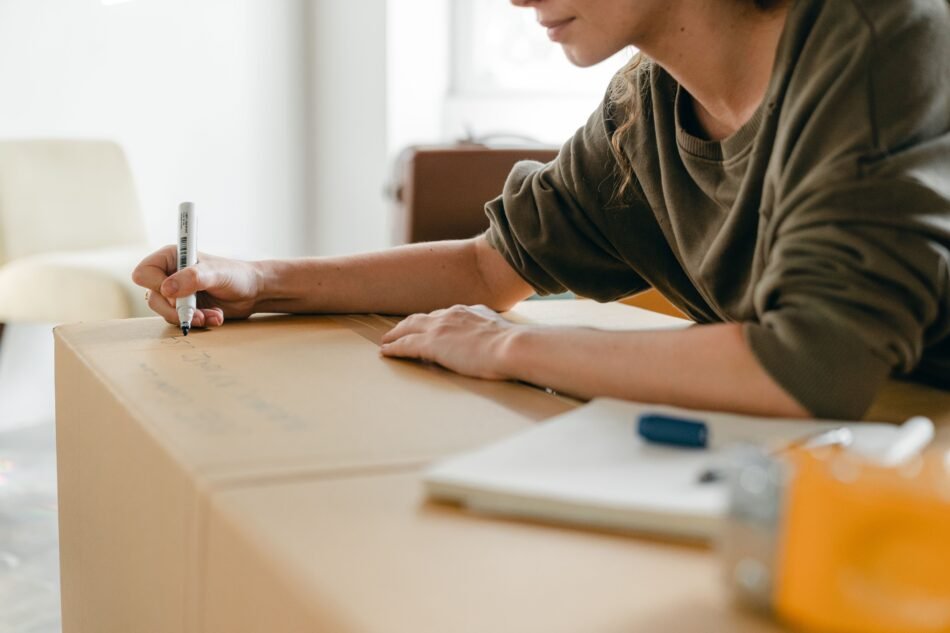
Moving to a new city or region requires careful organisation, especially when the distance involves multiple hours or days of travelling. There are multiple factors that must be considered, including packing, transportation scheduling, and coordination to make sure the arrival of belongings to the new location is smooth and efficient. Creating a clear plan before the moving day can help to reduce unnecessary delays and make the transition into a new home or workspace easier to manage.
Understanding The Challenges of Long-Distance Moves
Long-distance relocation often requires more planning than local moves. Travel distance, delivery schedule, packing requirements, and access to both properties should all be considered before the move starts. When planning long-distance moving in Red Deer, it can be helpful to focus on:
- Moving dates
- Travel distance
- Volume of belongings
- Packing requirement
- Transportation arrangement
- Delivery schedules
- Access to both locations
- Storage requirement
Addressing these details early can make the overall relocation more organised.
Creating a Moving Timeline
A structured timeline can help prevent important tasks from being left until the last minute. Breaking the entire process into small stages can make the overall process feel more manageable. A practical timeline for a long-distance move in Red Deer includes:
- Sorting belongings
- Deciding what to keep or donate
- Gathering packing supplies
- Booking moving services
- Packing non-essential items first
- Confirming important dates
- Preparing an essential box
- Finalising excess arrangements
Starting in advance allows you to get more flexibility during unexpected changes.
Sorting and Reducing Unnecessary Items
Long-distance transportation may involve huge moving costs and space considerations, making it useful to review belongings before packing. Taking only necessary items can help you to reduce unnecessary costs and make sure the process is completed within the timeline. Consider sorting items into categories such as:
- Keep
- Donate
- Sell
- Recycle
- Dispose of responsibly
Reducing unnecessary belongings before the move can make the new space easier to organise after arrival.
Planning Packing for Transportation
Items travelling long distances may need careful packing to reduce the risk of damage during handling and transportation. Office moving in Edmonton requires careful handling of all the equipment to make sure everything is safe at the new location. Important packing practices include:
- Using sturdy boxes
- Wrapping fragile items
- Labelling every box
- Avoiding excessively heavy boxes
- Securing loose items
- Keeping important documents separate
- Creating an inventory
Clear labels can also make unpacking easier once the delivery is at the new location.
Applying Similar Planning to Business Moves
Many of the principles of residential moving directly apply to office moving in Edmonton projects. However, business moves may require additional planning and attention to detail because it involves moving equipment, which can affect employees, schedules, technology, and operational downtime. A structured office relocation plan may include:
- Creating an equipment inventory
- Labelling for nature and technology
- Assigning responsibilities
- Coordinating IT disconnection
- Scheduling transportation
- Communicating the moving schedule
Careful coordination can help to reduce unnecessary disruption and complete the transportation efficiently.
Planning a Smoother Transportation
A successful relocation depends on proper preparation, communication, and organisation. From sorting belongings and creating a packing plan to arranging transportation and preparing the destination, every stage has unique challenges that can be avoided with professional help. With enough time and proper preparation, homeowners and businesses can transition into a new property without going through any difficulty. A well-organised move and make it easier to settle into a new environment and begin the next stage with less unnecessary stress.


