 WhatsApp Us Now

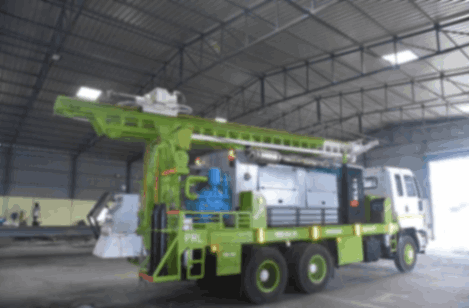
Construction projects require drilling equipment that delivers accuracy, consistent output, and safe operation across changing ground conditions. Choosing a suitable construction drill machine is only the first step. Performance also depends on engine power, drilling method, site access, tool condition, maintenance, and operator expertise. Understanding these factors helps contractors reduce downtime and achieve dependable results on construction sites.
1. Engine Power and Hydraulic Capacity
Engine power affects a rig’s ability to rotate the drill string and penetrate resistant formations. Insufficient power can slow progress and strain components. Hydraulic capacity is equally important because it supports feed force, lifting, and controlled movement. Compare engine output, torque, compressor capacity, and hydraulic performance with the required depth, hole diameter, and ground conditions before selection.
2. Ground Conditions and Drilling Method
Soil and rock characteristics directly influence penetration speed and bit wear. Soft, loose, or alluvial formations require different settings from hard rock. Rotary, down-the-hole, and auger methods suit different applications. Selecting the right method and drill bit helps maintain hole quality and limit wear. A construction drilling machine should therefore match the ground profile, not just the expected drilling depth.
3. Machine Design and Mobility
Mounting configuration affects how equipment reaches and operates on site. Truck-mounted rigs suit projects involving travel between locations, while tractor-mounted, crawler-mounted, skid-mounted, and trolley-mounted designs meet different access needs. Compact equipment can help where space is limited, but stability remains essential. The rig needs a firm working position and clearance for its mast, rods, and crew.
4. Drill Bits and Supporting Equipment
The drill bit must suit the material and drilling technique. Worn or unsuitable bits can reduce penetration, create irregular holes, and increase stress on the rig. Drill pipes, compressors, pumps, hoses, and other accessories affect output. Matching every component to equipment specifications supports reliable operation. The construction drilling machine systems include compatible supporting equipment beyond the main rig.
5. Maintenance and Component Condition
Regular inspections help identify leaks, loose connections, damaged hoses, and worn parts before they cause downtime. Operators should follow service schedules, check fluid levels, clean filters, and replace components as recommended. Proper maintenance helps preserve efficiency and protect major systems. Keeping essential spares available can also prevent avoidable delays on site.
6. Operator Skill and Site Preparation
Trained operators understand machine controls, drilling parameters, ground response, and equipment stress. Before work begins, teams should prepare a stable working platform, check access routes, identify underground utilities, and establish safe operating zones. Clear communication between operators and staff supports accurate positioning and safer handling of drill rods and tools.
7. Matching Capacity to Project Needs
Maximum depth alone does not determine suitability. Consider hole diameter, accuracy, working hours, transport, fuel use, and technical support. Oversized equipment may raise operating costs, while an undersized rig may struggle to meet project demands. Balanced specifications help deliver dependable output economically.
Conclusion
Drilling performance depends on machine power, ground conditions, tools, mobility, maintenance, and operator expertise. Evaluating these factors before choosing a construction drill machine helps contractors match equipment to site conditions and project scope. Careful planning and regular servicing can improve productivity, support safer operations, and deliver consistent drilling results.
For contractors seeking reliable drilling solutions, Prime Rigs manufactures and exports equipment for construction, water well, rotary, core, and mining applications. Their range includes tractor-mounted, truck-mounted, portable, and specialised rigs, refurbished equipment, and drilling accessories. Explore available models and specifications to find suitable machinery for your project requirements and site conditions. Visit Prime Rigs to enquire.


