 WhatsApp Us Now

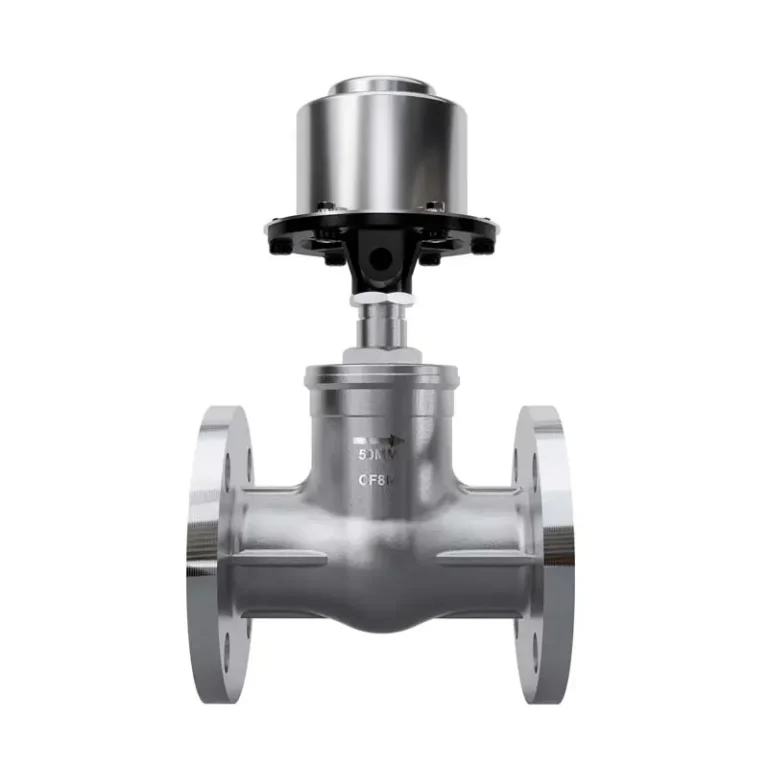
Control valves are essential components in industrial process systems because they regulate the flow, pressure, temperature, and level of different fluids. They help maintain stable operating conditions, improve process efficiency, and support equipment protection across demanding industrial environments.
Oil and gas facilities, power generation plants, and chemical processing industries depend on accurate flow regulation to maintain consistent operations. However, each industry has different requirements based on its operating conditions, process materials, and safety considerations. Understanding these differences helps buyers make informed decisions when selecting suitable control valve solutions.
Businesses searching for a Control Valve Supplier in Dubai should consider product specifications, technical capabilities, material compatibility, and application requirements before choosing equipment for their facilities.
Understanding the Role of Control Valves
A control valve regulates fluid flow by adjusting the size of its internal flow passage. It receives signals from a control system or positioning device and changes its opening to maintain the required process conditions.
Control valves are commonly used in automated systems where continuous adjustment is necessary. Depending on the application, they may regulate liquids, gases, steam, and other compatible process media.
Common control valve configurations include globe valves, butterfly valves, ball valves, and specialized designs. The appropriate selection depends on flow characteristics, pressure conditions, temperature, and process requirements.
Control Valve Requirements in the Oil and Gas Industry
Oil and gas facilities operate under demanding conditions involving high pressures, varying temperatures, and different types of hydrocarbons. Control valves are used throughout production, processing, transportation, and refining operations.
They help regulate flow in pipelines, separators, processing equipment, and other critical systems. Material compatibility is particularly important because some applications involve corrosive fluids, gases, and challenging operating environments.
Important considerations for this industry include:
- Suitable pressure and temperature ratings.
- Material compatibility with hydrocarbons and process fluids.
- Reliable sealing and leakage performance.
- Appropriate valve sizing and flow characteristics.
- Actuator compatibility and control-system integration.
Proper engineering and product selection help support stable operations and reduce the risk of process interruptions.
Control Valve Requirements in Power Generation Plants
Power generation facilities depend on precise process control to maintain efficient and stable operation. Control valves are used in steam systems, cooling water circuits, boiler feedwater applications, and other utility processes.
Steam control applications may involve high temperatures and pressures, requiring valves designed specifically for those conditions. Cooling water systems have different requirements related to flow capacity, corrosion resistance, and operating pressure.
Key selection factors include thermal performance, pressure ratings, flow regulation accuracy, material strength, and actuator response. Choosing valves according to the actual operating conditions helps support efficient power generation and reliable plant performance.
Control Valve Requirements in Chemical Plants
Chemical processing facilities handle a wide variety of liquids, gases, and reactive substances. These materials may have different chemical properties, temperatures, and pressure requirements.
Control valve selection must therefore focus heavily on material compatibility and sealing performance. A valve that works well in a water system may not be suitable for an aggressive chemical application.
Important considerations include:
- Chemical Compatibility: Valve body and internal materials should withstand the process medium.
- Corrosion Resistance: Materials should be suitable for the chemical environment.
- Sealing Performance: Appropriate sealing components help reduce unwanted leakage.
- Temperature Resistance: Valve construction should match the process temperature.
- Accurate Flow Regulation: The selected valve should provide the required control characteristics.
Careful selection can help maintain process stability and support safer chemical handling.
Different Control Valve Types and Their Applications
Control valves are available in multiple designs to meet different flow-control requirements.
- Globe Control Valves: Commonly used for accurate throttling and flow regulation.
- Butterfly Control Valves: Suitable for applications requiring compact construction and relatively large flow capacity.
- Ball Control Valves: Used in applications requiring specific flow-control characteristics and suitable valve configurations.
- Pressure Control Valves: Help maintain desired pressure conditions within process systems.
Each design has specific operating characteristics. Selection should be based on flow rate, pressure drop, fluid properties, and required control performance.
How to Choose the Right Control Valve Supplier
Selecting a suitable supplier is an important part of industrial procurement. Buyers should evaluate more than product pricing when comparing available options.
Consider these factors:
- Product range and availability for the intended application.
- Technical specifications and engineering support.
- Material quality and relevant inspection documentation.
- Pressure, temperature, and flow ratings.
- Actuator and automation compatibility.
- Delivery coordination and after-sales assistance.
Clear communication about operating conditions and technical requirements can help ensure that the selected equipment is appropriate for the project.
The Importance of Automation and Maintenance
Modern control valve systems often use pneumatic or electric actuators to adjust valve positions automatically. These systems can receive signals from controllers and help maintain desired process conditions without continuous manual intervention.
Regular maintenance is equally important. Inspection of valve internals, seals, actuators, positioners, and connections can help identify wear, leakage, or performance issues. Maintenance schedules should follow equipment recommendations and plant operating procedures.
Conclusion
Control valves play a critical role in oil and gas facilities, power generation plants, and chemical processing industries. Although all three sectors depend on accurate flow regulation, their technical requirements differ according to pressure, temperature, fluid characteristics, and operating conditions.
By understanding these differences and evaluating valve design, material compatibility, automation requirements, and supplier capabilities, industrial buyers can make informed purchasing decisions. The right control valve solution supports efficient process control, reliable equipment operation, and long-term industrial performance.


