 WhatsApp Us Now
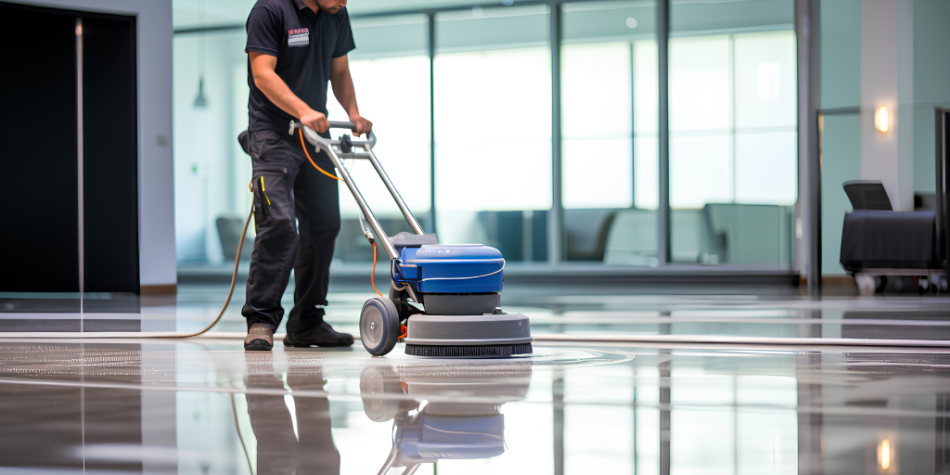
A marble floor in a hotel lobby, law firm, restaurant, or clinic tells visitors something about your business before anyone says a word. A dull, stained, or scratched floor tells them something too. Commercial marble takes far more abuse than the marble in a home, and it needs a plan rather than occasional rescue work. This article explains how to build that plan, what it costs you to skip it, and how to use marble cleaning services in a way that protects your investment.
Why Commercial Marble Wears Differently
A home floor might see a few dozen people a day. A busy lobby sees hundreds or thousands. That changes the kind of damage you get.
Walking lanes. People follow the same routes from the door to the elevator, the front desk, or the host stand. The polish wears away along those paths first, while the corners still look new. The contrast makes the whole floor look uneven.
Grit. Sand, soil, and Georgia red clay arrive on every pair of shoes. Grit scratches polished marble each time someone steps on it. It is the biggest cause of lost shine in commercial buildings.
Spills and chemicals. Restaurants deal with wine, sauces, citrus, and cleaning products. Offices and medical buildings deal with disinfectants, many of which are acidic or harsh on calcite.
Rolling loads. Luggage carts, delivery dollies, and cleaning equipment can scratch or chip stone, especially at seams and thresholds.
Wet-weather tracking. Atlanta’s summer storms bring water into entrances all afternoon. Wet marble is slippery, and the moisture carries dirt deep into the stone’s pores.
The Hidden Cost of Neglect
Many managers wait until the floor looks bad before they act. By then, the repair is bigger and more expensive than it needed to be.
- Heavily worn marble needs deeper grinding to level out, and every grinding pass removes a thin layer of stone that cannot be put back.
- Stains that have set for months are harder to draw out than fresh ones.
- A dull floor affects how customers and tenants see the property, which matters in hospitality, retail, and real estate.
- Slip incidents on poorly maintained stone can lead to liability claims and insurance questions.
Regular care costs less over time than one major restoration after years of neglect.
Building a Maintenance Plan That Works
A good plan has three layers: daily habits, periodic professional service, and a record of what has been done.
Layer One: Daily Routine for Your Staff
Your in-house team does the most important work, because they are there every day.
- Dust mop several times a day. In an entrance or lobby, this removes the grit before it grinds into the finish. Use a clean, dry, untreated dust mop.
- Damp mop with a pH-neutral stone cleaner. Follow the dilution on the label. More product does not clean better and leaves a film.
- Dry the floor. Standing water causes slip hazards and water spots.
- Respond to spills right away. Keep absorbent cloths and a stone-safe cleaner where staff can reach them quickly.
- Keep entrance mats clean and in place. Mats stop a large share of grit before it reaches the marble. Replace them when they wear thin.
- Use the right equipment. Check that floor machines, pads, and wheels are suitable for natural stone.
Put the routine in writing, train new staff, and make sure outside cleaning contractors follow it. A cleaning crew that uses a general-purpose disinfectant on your marble can undo months of careful work in one night.
Layer Two: Scheduled Professional Service
Daily care keeps the floor clean. It does not restore polish, repair damage, or renew the sealer. That is where professionals come in.
A typical schedule looks like this:
- High-traffic lobbies, hotels, and restaurants: deep cleaning and a polish refresh every three to six months, with a sealer check at the same visit
- Offices and medical buildings: deep cleaning and inspection every six to twelve months
- Low-traffic areas such as conference rooms: annual service
A professional visit usually includes machine cleaning with stone-safe products, spot treatment for stains, crystallization or buffing to bring back the shine, and resealing where the stone has begun to absorb water. Full honing is done less often, only when scratches and etching have built up beyond what polishing can handle.
Layer Three: Records
Keep a simple log of each service date, products used, areas treated, and any problems noted. This helps you:
- Spot patterns, such as one entrance that wears out faster
- Prove regular maintenance if an insurance question comes up
- Compare quotes accurately when you review providers
- Hand over useful information when a new property manager takes over
Scheduling Work Without Disrupting Business
Floor work in an occupied building takes planning. Ask any provider how they will handle these points:
- Timing. Many companies work overnight or on weekends in hotels, restaurants, and offices.
- Sections. Work can be done in zones so part of the lobby stays open.
- Dry time. Ask how long before foot traffic is safe, especially after sealing.
- Slurry control. Honing and grinding produce a wet residue that must be contained and removed cleanly.
- Safety. Wet floor signs, barriers, and clear communication protect your visitors and staff.
- Noise and odor. Machines are loud, and some products have a smell. Make sure neighboring tenants are told in advance.
What to Look For in a Commercial Provider
When you compare companies offering marble cleaning services in Atlanta, commercial experience matters. A crew that works well in a private home may not be set up for a hotel with 24-hour operations.
Ask about:
- Commercial references. Request contact details for property managers or business owners with similar floors.
- Insurance and licensing. Ask for current certificates, and confirm that coverage fits the size of your property. Many commercial buildings require vendors to name them as additional insured.
- Equipment. Professional-grade machines with proper dust and slurry control are a good sign.
- Staff training. Ask who will be on your floor and how they are trained in natural stone care.
- Testing before work. A careful company tests products on a small area first, since marble varies from one slab to the next.
- A written scope. It should list areas, services, number of visits, products, and price.
- Emergency response. Find out whether they can come quickly if a serious stain or spill happens.
Be cautious about providers who push a surface coating as the answer to everything. Coatings can look glossy at first but often peel, yellow, or trap moisture, and removing them adds cost.
Slip Resistance and Safety
Polished marble can be slippery, especially when wet. This matters in entrances, restrooms, and restaurants.
- Place mats and runners at wet entry points, and keep them flat and clean.
- Post wet floor signs promptly during rain or after mopping.
- Ask a stone professional about slip-resistance options, such as a honed finish or a treatment designed to increase traction. Results vary, so ask for details and test results rather than a general promise.
- Do not apply household “anti-slip” products to marble without professional advice, since some can stain or cloud the stone.
If you manage a public building, talk with your insurance provider and legal adviser about floor safety standards that apply to your property.
Common Mistakes Managers Make
Using one product for every surface. The disinfectant that works on vinyl in the kitchen may etch the marble in the lobby.
Skipping entrance mats to save money. Mats cost far less than repolishing.
Over-polishing. Aggressive grinding too often wears down the stone. Maintenance polishing is gentler and should be the default.
Hiring on price alone. The lowest quote often comes from a company that cuts steps or uses weak equipment.
Ignoring small problems. A chip at a threshold or a failed patch of sealer is easy to fix early and expensive to fix later.
A Simple Starting Checklist
If you are not sure where your property stands, begin with these steps:
- Walk the floor in good light and note dull areas, stains, chips, and worn lanes.
- Do a water test in several places to check the sealer.
- Review what products your cleaning staff or contractor uses on the marble.
- Check that every entrance has working mats.
- Request written quotes from at least two stone specialists.
- Set a calendar of professional visits and daily tasks.
Final Thoughts
Commercial marble is an asset that can last for generations when it is cared for with a plan. Train your staff, keep grit and harsh chemicals away from the stone, and schedule regular professional visits before problems build up. Choose a provider with real commercial experience, ask direct questions, and keep records of the work. A floor that looks good every day costs far less than a floor that needs rescuing.


