 WhatsApp Us Now
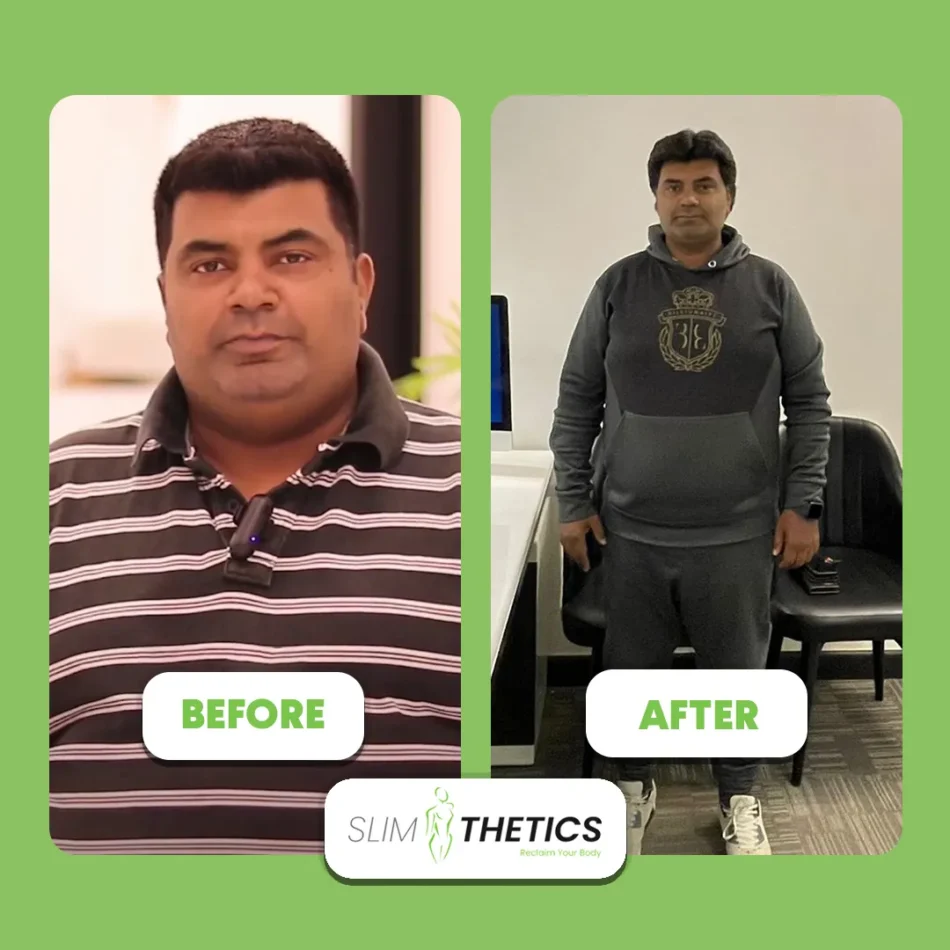
Obesity has become one of the leading health concerns worldwide, increasing the risk of conditions such as type 2 diabetes, high blood pressure, heart disease, sleep apnea, and joint problems. While healthy eating habits and regular exercise remain the foundation of weight management, they may not provide lasting results for individuals living with severe obesity. In such cases, bariatric surgery has emerged as a scientifically proven treatment that offers significant and sustainable weight loss while improving overall health and quality of life.
If you are considering Bariatric Surgery in Islamabad, one of the most common questions is whether the procedure is safe for long-term weight loss. The answer depends on several factors, including the patient’s overall health, the type of surgery performed, the surgeon’s experience, and the patient’s commitment to lifelong lifestyle changes. This comprehensive guide explains the safety, benefits, risks, recovery process, and long-term outcomes of bariatric surgery to help you make an informed decision.
What Is Bariatric Surgery?
Bariatric surgery refers to a group of surgical procedures specifically designed to help individuals with obesity achieve significant and long-lasting weight loss. These procedures work by reducing the size of the stomach, limiting food intake, altering nutrient absorption, or combining both approaches.
Unlike cosmetic weight-loss treatments, bariatric surgery is recognized as a medical treatment for obesity and its associated health conditions. It is usually recommended when non-surgical methods such as diet plans, exercise programs, and medications have failed to produce sustainable results.
Key Objectives of Bariatric Surgery
- Promote long-term weight loss.
- Improve obesity-related medical conditions.
- Reduce calorie intake.
- Support healthier eating habits.
- Enhance overall quality of life.
- Lower the risk of chronic diseases.
Why Is Bariatric Surgery Considered Safe?
Modern bariatric procedures are significantly safer today than they were decades ago. Advances in laparoscopic surgery, anesthesia, surgical technology, and post-operative care have greatly reduced complications and improved patient outcomes.
Several international studies have shown that bariatric surgery is considered one of the safest major abdominal procedures when performed by experienced bariatric surgeons in properly equipped medical facilities.
Factors That Improve Surgical Safety
- Thorough pre-operative medical evaluation.
- Advanced laparoscopic surgical techniques.
- Experienced bariatric surgeons.
- Comprehensive nutritional counseling.
- Careful post-operative monitoring.
- Regular follow-up appointments.
Although every surgical procedure carries some degree of risk, proper patient selection and adherence to medical advice significantly improve safety and long-term success.
Who Is a Suitable Candidate for Bariatric Surgery?
Not everyone with excess weight requires bariatric surgery. Specialists evaluate several medical and lifestyle factors before recommending surgery.
You may qualify if you:
- Have a Body Mass Index (BMI) of 40 or higher.
- Have a BMI of 35 or higher with obesity-related diseases.
- Have unsuccessfully attempted long-term weight loss through diet and exercise.
- Are physically and mentally prepared for surgery.
- Are committed to lifelong dietary and lifestyle changes.
Every patient undergoes a personalized assessment before treatment planning.
Types of Bariatric Surgery
Different bariatric procedures are available depending on individual health conditions and weight-loss goals.
Gastric Sleeve Surgery
Also called sleeve gastrectomy, this procedure removes approximately 75–80% of the stomach, leaving behind a smaller stomach pouch.
Benefits
- Reduced hunger.
- Faster feeling of fullness.
- Significant long-term weight loss.
- Shorter surgical time.
- No intestinal rerouting.
Gastric Bypass Surgery
This procedure creates a small stomach pouch while bypassing part of the small intestine.
Benefits
- Rapid weight loss.
- Excellent diabetes control.
- Reduced calorie absorption.
- Improved metabolic health.
Mini Gastric Bypass
A less complex variation of gastric bypass requiring only one intestinal connection.
Benefits
- Effective weight reduction.
- Shorter operating time.
- Excellent metabolic improvement.
- Faster recovery for many patients.
Adjustable Gastric Band
Although less common today, gastric band surgery places an adjustable silicone band around the upper stomach.
Benefits
- Adjustable.
- Reversible.
- No stomach removal.
How Bariatric Surgery Supports Long-Term Weight Loss
One of the primary reasons bariatric surgery is considered effective is its ability to address both physical and hormonal aspects of obesity.
Following surgery, patients usually experience:
- Reduced stomach capacity.
- Lower calorie intake.
- Improved metabolism.
- Reduced appetite hormones.
- Better insulin sensitivity.
- Improved food choices due to smaller meal sizes.
These physiological changes help patients maintain healthier body weight over the long term when combined with proper lifestyle habits.
Health Benefits Beyond Weight Loss
Bariatric surgery provides benefits that extend far beyond losing excess body weight.
Improvement in Chronic Diseases
Many patients experience improvement in:
- Type 2 diabetes.
- High blood pressure.
- High cholesterol.
- Sleep apnea.
- Fatty liver disease.
- Joint pain.
- Heart disease risk.
Improved Physical Well-Being
Patients often notice:
- Increased energy.
- Better mobility.
- Reduced fatigue.
- Easier breathing.
- Greater physical endurance.
Emotional Benefits
Weight loss frequently contributes to:
- Higher self-confidence.
- Improved mental well-being.
- Better social interactions.
- Increased participation in daily activities.
- Enhanced quality of life.
Preparing for Bariatric Surgery
Preparation plays an essential role in achieving successful outcomes.
Medical Evaluation
Patients usually undergo:
- Blood tests.
- Cardiac assessment.
- Nutritional evaluation.
- Psychological assessment.
- Physical examination.
- Imaging studies if required.
Lifestyle Changes Before Surgery
Patients are generally advised to:
- Stop smoking.
- Avoid alcohol.
- Begin healthier eating habits.
- Increase daily activity.
- Follow a surgeon-approved diet.
- Learn post-operative nutrition guidelines.
Proper preparation helps reduce complications and supports smoother recovery.
Recovery After Bariatric Surgery
Recovery occurs gradually and requires patience, consistency, and commitment.
Hospital Stay
Most patients stay in the hospital between one and three days depending on the procedure performed.
First Week
Patients are encouraged to:
- Walk regularly.
- Stay hydrated.
- Consume clear liquids.
- Avoid strenuous activity.
- Follow medication instructions.
Weeks Two to Four
During this period, patients usually:
- Transition to pureed foods.
- Increase physical activity.
- Attend follow-up appointments.
- Experience gradual improvement in energy.
One to Three Months
Most patients begin:
- Soft foods.
- Regular walking.
- Light exercise.
- Protein-focused nutrition.
- Vitamin supplementation.
Weight loss often becomes more noticeable during this stage.
Long-Term Lifestyle Changes
Bariatric surgery is a powerful medical tool, but long-term success depends on healthy daily habits.
Patients should continue to:
- Eat smaller portions.
- Prioritize lean protein.
- Drink plenty of water.
- Exercise consistently.
- Take prescribed supplements.
- Attend follow-up appointments.
- Sleep adequately.
- Manage stress effectively.
These habits significantly improve long-term outcomes.
Is Bariatric Surgery Safe in the Long Run?
The long-term safety of bariatric surgery largely depends on regular follow-up care and healthy lifestyle choices.
Most patients who maintain balanced nutrition, physical activity, and routine medical monitoring enjoy lasting improvements in health and weight management.
Long-term studies have shown that bariatric surgery can:
- Increase life expectancy.
- Lower cardiovascular risk.
- Reduce diabetes complications.
- Improve overall quality of life.
- Decrease obesity-related mortality.
For many eligible patients, the health risks associated with severe obesity are considerably greater than the risks of bariatric surgery itself.
Possible Risks and Complications
Like any surgical procedure, bariatric surgery carries certain risks, although serious complications are relatively uncommon when performed by experienced surgeons.
Possible risks include:
- Infection.
- Bleeding.
- Blood clots.
- Nutritional deficiencies.
- Acid reflux.
- Gallstones.
- Leakage from staple lines.
- Temporary digestive discomfort.
Regular medical follow-up helps identify and manage these issues early.
Tips for Maintaining Weight Loss After Surgery
Successful patients often develop lifelong healthy routines.
Best practices include:
- Eat slowly.
- Choose protein-rich meals.
- Avoid sugary drinks.
- Stay physically active.
- Monitor portion sizes.
- Keep follow-up appointments.
- Stay hydrated.
- Take daily vitamins.
- Seek nutritional counseling when needed.
Consistency is the key to maintaining results.
Frequently Asked Questions
How much weight can I lose after bariatric surgery?
Weight loss varies depending on the procedure, starting weight, and adherence to dietary and lifestyle recommendations. Most patients experience substantial weight reduction during the first 12 to 18 months.
Will I need vitamins after surgery?
Yes. Most patients require long-term vitamin and mineral supplementation to prevent nutritional deficiencies.
Can diabetes improve after bariatric surgery?
Many patients experience significant improvement or remission of type 2 diabetes following surgery, particularly after gastric bypass procedures.
Can weight return after surgery?
Weight regain is possible if healthy eating habits and regular exercise are not maintained. Ongoing follow-up care helps minimize this risk.
How do I choose the right bariatric surgeon?
When selecting a bariatric surgeon, consider:
- Experience and qualifications.
- Modern surgical facilities.
- Personalized treatment plans.
- Comprehensive aftercare.
- Nutritional support.
- Positive patient outcomes.
Choosing an experienced team greatly contributes to surgical safety and long-term success.
Conclusion
For individuals struggling with severe obesity, Bariatric Surgery in Islamabad is a safe and evidence-based solution for achieving sustainable weight loss when performed by qualified surgeons and supported by lifelong healthy habits. Beyond helping patients lose weight, bariatric surgery can improve chronic health conditions, enhance mobility, boost confidence, and significantly improve overall quality of life. Success depends not only on the procedure itself but also on a patient’s commitment to nutrition, exercise, and regular follow-up care.
If you are looking for trusted expertise and personalized weight-loss solutions, Slimthetics offers advanced bariatric surgery services with experienced specialists, modern surgical techniques, comprehensive nutritional counseling, and dedicated post-operative care. From your initial consultation to your long-term transformation, our team is committed to helping you achieve healthier, lasting results in a safe and supportive environment.


