 WhatsApp Us Now
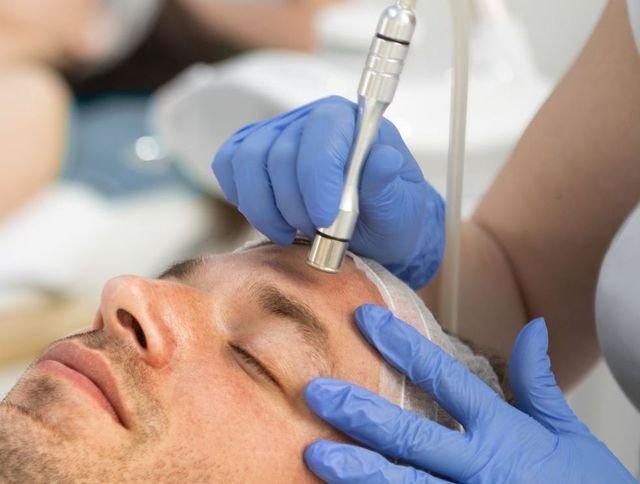
A skin consultation before diamond peel treatment is highly recommended because it helps determine whether the procedure is suitable for your skin type, concerns, and skincare goals. Although diamond peel treatment is a non-invasive exfoliation procedure, individual skin conditions can affect its safety and results. People considering تقشير الألماس في دبي can benefit from understanding why a professional assessment matters, what happens during the consultation, and how proper preparation supports a comfortable treatment experience.
What Is Diamond Peel Treatment?
Diamond peel treatment is a form of microdermabrasion that uses a diamond-tipped applicator to exfoliate the outermost layer of the skin. A suction mechanism helps remove loosened dead skin cells and surface debris.
The procedure may improve mild roughness, dullness, and uneven skin texture. It does not involve surgery and generally requires minimal downtime. However, exfoliation can irritate skin that is already inflamed, damaged, or unusually sensitive. A consultation helps determine whether this treatment is appropriate or whether an alternative would be more suitable.
Why Is a Skin Consultation Necessary?
To Evaluate Your Skin Type:
Everyone’s skin responds differently to exfoliation. Some people have oily or combination skin, while others experience dryness, sensitivity, or redness.
During a consultation, a skincare professional assesses your skin type and its current condition. This helps determine the appropriate treatment intensity and whether any adjustments are needed to minimise irritation.
To Identify Existing Skin Concerns:
A consultation allows the professional to identify concerns such as dullness, mild congestion, rough texture, or uneven appearance.
It also helps identify conditions that may require a different approach. Active acne, rosacea, eczema, dermatitis, sunburn, open wounds, and skin infections may make exfoliation unsuitable until the condition has been addressed.
To Review Your Medical and Skincare History:
Your current skincare routine and relevant medical history can influence treatment suitability. The professional may ask about allergies, medications, previous cosmetic procedures, and products containing exfoliating ingredients.
Be sure to mention retinoids, exfoliating acids, recent chemical peels, or other treatments that may affect skin sensitivity. Do not stop prescribed medication without consulting the healthcare professional who manages it.
To Reduce the Risk of Irritation:
Diamond peel treatment involves physical exfoliation. If the skin barrier is compromised or the procedure is too intensive, it may cause redness, dryness, irritation, or sensitivity.
A consultation helps the provider choose appropriate settings and determine whether treatment should be postponed. People with a history of pigmentation changes should also discuss their individual risks, as inflammation can sometimes trigger post-inflammatory hyperpigmentation.
To Establish Realistic Expectations:
A professional consultation helps clarify what diamond peel treatment can and cannot achieve. It may improve superficial roughness and dullness, but it is not designed to eliminate deep acne scars, significant wrinkles, or all pigmentation concerns.
Understanding the likely results helps you make an informed decision and avoid expecting changes beyond the treatment’s capabilities.
What Happens During a Skin Consultation?
Initial Discussion:
The appointment usually begins with questions about your primary skin concerns, desired results, skincare habits, allergies, and relevant medical history. You should explain any previous reactions to facial treatments.
Skin Examination:
The professional examines the skin for sensitivity, dryness, inflammation, and other conditions that may affect treatment. This assessment helps determine whether diamond peel exfoliation is appropriate.
Personalised Treatment Plan:
If you are a suitable candidate, the provider can explain the procedure, recommended intensity, expected duration, potential side effects, and aftercare requirements. They may also suggest an alternative treatment if exfoliation is unlikely to address your concerns.
Preparation Advice:
You may receive instructions about preparing your skin before the appointment. Depending on your routine and skin condition, the provider may advise avoiding certain exfoliating products for a period before treatment.
Follow the instructions provided for your individual circumstances rather than making unnecessary changes to prescribed skincare or medication.
Who Should Be Especially Careful Before Treatment?
Although a consultation is useful for everyone, it is particularly important for individuals who:
- Have sensitive or easily irritated skin.
- Experience active acne or persistent redness.
- Have eczema, dermatitis, or rosacea.
- Have sunburn, cuts, or open wounds.
- Recently underwent another cosmetic procedure.
- Have a history of pigmentation changes or unusual reactions to exfoliation.
A professional may recommend delaying treatment or choosing a different option if there is a risk of worsening an existing condition.
How Should You Prepare After the Consultation?
Once treatment is approved, follow the preparation and aftercare instructions provided by your skincare professional.
Before treatment, avoid unnecessary harsh exfoliation if advised and ensure the skin is not sunburned or irritated. After the procedure, use a gentle cleanser, apply a suitable moisturiser, and wear broad-spectrum sunscreen.
Avoid scrubs and strong exfoliating ingredients until your skin has recovered. If you develop persistent redness, worsening irritation, significant swelling, or pain, seek professional medical advice.
Frequently Asked Questions:
Can I have diamond peel treatment without a consultation?
A consultation is strongly recommended to assess suitability, identify potential risks, and select an appropriate treatment approach. Some providers may require an assessment before proceeding.
Does a consultation mean I am guaranteed to receive treatment?
No. The professional may recommend postponing the procedure or choosing another option if your skin condition makes exfoliation unsuitable.
How long does a skin consultation take?
The duration varies depending on your skin concerns, medical history, and whether a personalised treatment plan is needed. Ask the provider how much time to allow for your appointment.
Should I mention my current skincare products?
Yes. Inform the professional about your cleansers, retinoids, exfoliating acids, medications, and any recent cosmetic procedures. This information helps them assess your skin’s sensitivity.
Can a consultation help me choose the right treatment?
Yes. An assessment can clarify whether diamond peel treatment matches your concerns or whether another procedure may be more appropriate.
Conclusion:
A skin consultation before diamond peel treatment is an important step toward making an informed skincare decision. It helps evaluate your skin type, identify potential risks, establish realistic expectations, and develop an appropriate treatment plan. Although the procedure is non-invasive, not every skin condition is suitable for exfoliation. Consulting a qualified skincare professional can help you determine whether diamond peel treatment is right for your skin and how to prepare for the best possible experience.


