 WhatsApp Us Now
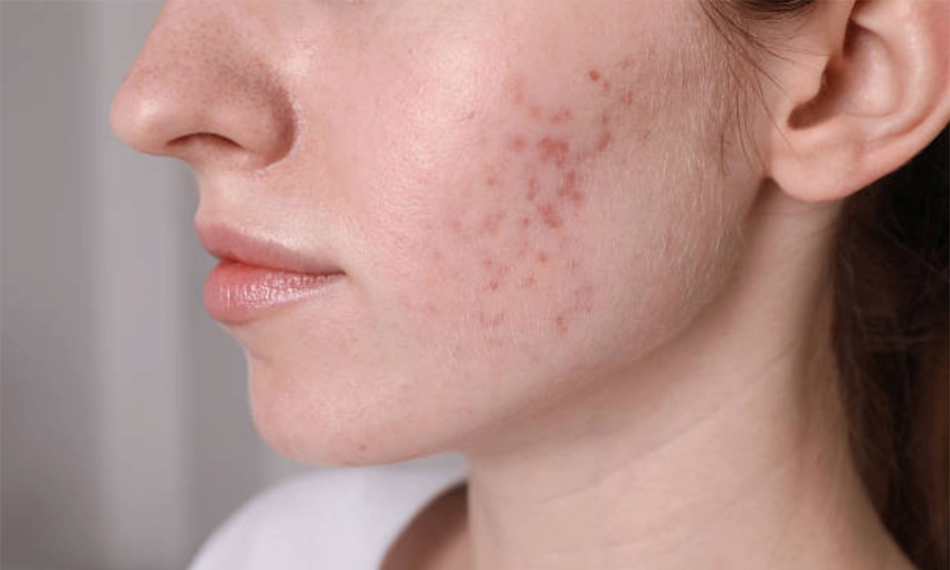
Facial blemishes are a common skin concern that can influence the appearance of an otherwise healthy complexion. From inflamed pimples and clogged pores to lingering dark spots, these imperfections can develop for several reasons and may require different approaches to skincare. Choosing Acne Treatment in Dubai can be part of a broader effort to address blemish-prone skin, support pore health, and maintain a more balanced complexion. Understanding the nature of facial blemishes, the factors contributing to their formation, and the importance of consistent skincare can help individuals make informed decisions about managing their skin.
Understanding Different Types of Facial Blemishes
Facial blemishes do not all look the same. Some appear as small bumps beneath the skin, while others develop into noticeable red or inflamed spots. Blackheads and whiteheads are commonly associated with blocked pores, whereas deeper blemishes may involve greater inflammation.
Dark marks can also remain after an acne spot has settled. Recognising these differences is important because each concern may require a different skincare approach.
How Acne Develops on the Face
Acne develops through a combination of excess sebum, accumulated dead skin cells, blocked hair follicles, and inflammation. When oil and dead cells collect inside pores, small bumps may form and become more noticeable across the forehead, cheeks, chin, and jawline.
Understanding these underlying factors helps explain why facial blemishes can appear even when someone follows a regular cleansing routine.
Can Acne Treatment Address Visible Blemishes?
Acne-focused skincare and appropriate professional care can help manage active breakouts and support clearer-looking skin. The most suitable approach depends on the type of blemish, its severity, and the individual’s skin characteristics.
Common approaches may include:
- Topical skincare: Ingredients such as salicylic acid can help address clogged pores, while benzoyl peroxide may be useful for inflammatory acne.
- Retinoid-based products: Certain topical retinoids support skin-cell turnover and help prevent blocked pores.
- Pigmentation-focused care: Ingredients such as azelaic acid may help address acne-related discoloration while supporting acne management.
The Difference Between Active Acne and Dark Marks
Active acne and post-acne marks are distinct concerns. Active acne involves current blemishes, which may appear as red bumps, whiteheads, blackheads, or deeper inflamed spots. Dark marks, by comparison, can remain after the original blemish has healed.
These marks are often associated with post-inflammatory hyperpigmentation, particularly in skin tones that are more prone to pigmentation changes. They are not necessarily permanent scars, although their appearance can vary considerably.
Why Gentle Cleansing Matters
Cleansing helps remove excess oil, sweat, sunscreen, makeup, and everyday impurities from the skin’s surface. However, aggressive washing can irritate the skin barrier and leave the complexion feeling tight or uncomfortable. Useful cleansing habits include:
- Washing the face gently with a suitable cleanser.
- Avoiding harsh scrubs and vigorous rubbing.
- Using lukewarm water instead of very hot water.
- Removing makeup before going to bed.
The Importance of Choosing Suitable Skincare Products
Some skincare products contain heavy oils, fragrances, or ingredients that may not suit blemish-prone skin. Product selection should therefore consider individual sensitivities, skin type, and the likelihood of pore congestion.
Non-comedogenic products are formulated to reduce the likelihood of clogging pores, although individual responses can still differ. Introducing new products gradually makes it easier to recognise irritation and avoid using several potentially harsh ingredients at the same time.
How Sun Protection Supports Blemish-Prone Skin
Sun protection is an important part of caring for skin that experiences acne and lingering dark marks. Ultraviolet exposure can make some forms of pigmentation more noticeable and may contribute to uneven-looking skin tone.
A broad-spectrum sunscreen with SPF 30 or higher is generally recommended for daily use. Individuals with oily or acne-prone skin may prefer lightweight, non-comedogenic formulas that feel comfortable throughout the day. Regular sun protection complements a balanced skincare routine and helps protect the skin from additional environmental damage.
Habits That May Make Facial Blemishes More Noticeable
Everyday habits can influence skin irritation and the appearance of blemishes. Picking, squeezing, or repeatedly touching spots can increase inflammation and raise the risk of discoloration and scarring.
- Using abrasive exfoliants too frequently.
- Applying multiple strong active ingredients together.
- Sleeping with makeup on.
- Frequently changing skincare products.
- Using unclean makeup brushes or facial tools.
Maintaining simple, consistent habits can make skincare easier to manage while reducing avoidable irritation.
Understanding Acne Scars and Skin Texture
Acne scars differ from temporary discoloration because they involve structural changes in the skin. Some scars appear as shallow depressions, while others form raised areas. Uneven texture may also remain after inflammatory acne.
Skincare products can support general skin health, but established scars may require a different approach from ordinary pimples or dark marks. The appropriate options depend on scar type, skin sensitivity, and the individual’s overall skin condition.
When Individual Skin Guidance Is Helpful
Persistent, painful, or deeply inflamed acne may require assessment by a qualified dermatologist. This is especially relevant when blemishes repeatedly develop in the same areas, leave noticeable scars, or cause considerable discomfort.
Professional guidance can help distinguish acne from other conditions that may resemble it, such as certain forms of folliculitis or rosacea. It can also help identify suitable ingredients and reduce the risk of irritation from inappropriate products.
Final Thoughts
Acne treatment can play a useful role in managing facial blemishes when the approach matches the underlying skin concern. Active breakouts, clogged pores, dark marks, and established scars are different issues, so understanding their characteristics is essential when selecting suitable skincare. Gentle cleansing, appropriate moisturising, daily sun protection, and careful product selection provide a practical foundation for blemish-prone skin.


