 WhatsApp Us Now
Introduction: Why Lower Back Pain Needs Attention
Lower back pain is one of the most common reasons people seek medical care today. It can start as a mild ache but gradually turn into something that affects walking, sitting, sleeping, and even basic daily activities. In Bend, Oregon, where many people enjoy hiking, sports, and active outdoor lifestyles, lower back strain is especially common. That is why many individuals look for a lower back pain specialist, Bend Oregon when discomfort begins to interfere with their routine. The goal is not just temporary relief but finding the real cause of the pain and addressing it properly.
Understanding What Causes Lower Back Pain
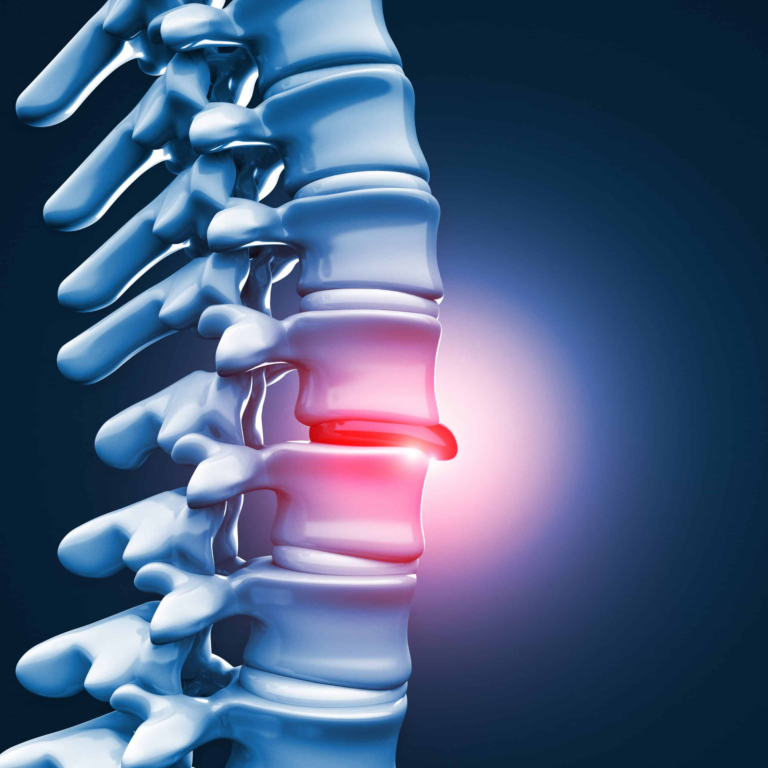
Lower back pain can develop for many different reasons, and often it is not caused by a single issue. Muscle strain from lifting heavy objects, poor posture from long hours of sitting, or sudden injury can all lead to discomfort. In some cases, spinal conditions such as herniated discs, degenerative disc disease, or nerve compression may be responsible. Even stress can play a role by tightening muscles and increasing tension in the lower back. Over time, these factors can build up and create persistent pain that becomes harder to ignore.
Why Lower Back Pain Becomes Chronic
When lower back pain is not treated properly, it can become a long-term issue. The body often tries to compensate for pain by changing the way it moves or stands, which can create imbalance in other areas. This can lead to muscle weakness, stiffness, and reduced flexibility. Chronic pain may also affect sleep quality and energy levels, making daily life more difficult. Many people try to manage symptoms on their own, but without addressing the root cause, the pain often returns or worsens over time.
Role of a Lower Back Pain Specialist, Bend Oregon
A lower back pain specialist, Bend Oregon focuses on identifying the exact cause of pain rather than just treating the symptoms. This begins with a detailed assessment of the spine, muscles, posture, and movement patterns. By understanding how the body is functioning, the specialist can create a personalized treatment plan. This may include spinal care, rehabilitation exercises, posture correction, and other non-invasive therapies. The goal is to restore proper function and help the body heal naturally over time.
How Diagnosis Helps Guide Effective Treatment
Accurate diagnosis is one of the most important steps in treating lower back pain. Without understanding the root cause, treatment may only provide temporary relief. A specialist carefully evaluates physical condition, lifestyle habits, and movement patterns to determine what is contributing to the pain. In some cases, imaging tests may be recommended to get a clearer view of the spine. Once the cause is identified, a targeted treatment plan can be developed to address it effectively and safely.
Non-Surgical Approaches to Lower Back Pain Relief
Many people prefer non-surgical treatment options because they are less invasive and allow the body to heal naturally. These approaches may include spinal decompression, gentle stretching, physical rehabilitation, and soft tissue therapy. The focus is on reducing pressure in the spine, improving mobility, and strengthening supporting muscles. Non-surgical care is especially helpful for individuals who want to avoid surgery or long recovery periods. It also allows patients to stay active while undergoing treatment.
Spinal Decompression and Its Role in Recovery
Spinal decompression is often used as part of lower back pain treatment. This gentle technique helps reduce pressure on spinal discs and nerves by slowly stretching the spine. When discs are compressed, they can irritate nerves and cause pain. Decompression creates space between vertebrae, which may improve circulation and allow nutrients to reach damaged areas. Over time, this can support healing and reduce discomfort. Many patients find this method comfortable and relaxing because it is controlled and non-invasive.
Rehabilitation and Strengthening for Long-Term Results
Once pain begins to improve, strengthening the lower back becomes essential. Rehabilitation exercises help improve core stability, posture, and flexibility. A strong core supports the spine and reduces the risk of future injuries. These exercises are usually introduced gradually so the body can adjust safely. Movement therapy also helps retrain the body to move correctly, preventing unnecessary strain on the lower back. Consistent rehabilitation is key to achieving long-term results.
Benefits of Seeing a Lower Back Pain Specialist
One of the main benefits of working with a specialist is receiving a treatment plan tailored to individual needs. Instead of general advice, patients get focused care based on their specific condition. Many people experience improved mobility, reduced pain, and better posture after treatment. Another advantage is that specialists focus on long-term healing rather than temporary relief. This approach helps prevent recurring pain and supports overall spinal health.
What a Treatment Plan Typically Includes
A lower back pain treatment plan usually begins with an evaluation and diagnosis. After that, a combination of therapies is recommended based on the severity of the condition. This may include decompression sessions, rehabilitation exercises, posture training, and lifestyle guidance. Treatment is often gradual and adjusted over time depending on progress. Some people notice improvement within a few sessions, while others may need longer care. Regular monitoring ensures that the treatment remains effective and aligned with recovery goals.
Lifestyle Habits That Support Lower Back Health
Along with professional treatment, daily habits play an important role in recovery. Maintaining good posture while sitting or standing helps reduce strain on the spine. Regular movement, such as walking or stretching, keeps muscles flexible and active. Avoiding long periods of sitting is also important because it can increase stiffness. Proper sleep support, hydration, and stress management further contribute to spinal health. These small lifestyle changes can significantly improve treatment outcomes.
Why People in Bend, Oregon Seek Specialized Care
Bend, Oregon is known for its active community and outdoor lifestyle. While this promotes fitness and wellness, it can also lead to physical strain on the lower back. Activities like hiking, biking, and sports can sometimes cause injuries or overuse of muscles. Because of this, many residents look for a lower back pain specialist, Bend Oregon to help manage discomfort while staying active. Specialized care allows individuals to continue their lifestyle without being limited by pain.
Conclusion: A Path Toward Lasting Relief and Mobility
Lower back pain can have a serious impact on daily life, but it does not have to be permanent. With the right care approach, recovery is possible without surgery. A lower back pain specialist, Bend Oregon focuses on identifying the root cause of pain and creating a personalized plan for healing. By combining spinal care, rehabilitation, and healthy habits, many people are able to regain comfort and mobility. With consistent treatment and proper guidance, long-term relief and improved quality of life are achievable.


