 WhatsApp Us Now
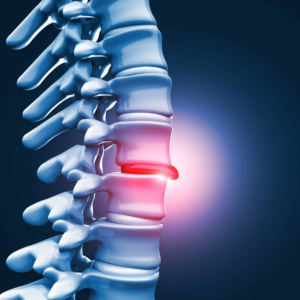
Understanding the Pain Behind a Herniated Disc
Back pain can quietly take over everyday life. What starts as a small ache after lifting something heavy or sitting too long can slowly turn into constant discomfort. For many people, that pain is linked to a herniated disc. When a disc in the spine slips or becomes damaged, it can press on nearby nerves and create pain that spreads through the back, legs, neck, or arms.
Many people searching for herniated disc treatment Bend, Oregon are looking for answers because they are tired of relying on pain medication or avoiding the activities they once loved. The good news is that there are treatment options that focus on improving movement, reducing pressure on the spine, and helping the body recover naturally.
What Exactly Is a Herniated Disc?
The spine is made up of small bones called vertebrae, and between those bones are soft discs that act like cushions. These discs absorb shock and help the body move comfortably. A herniated disc happens when the soft center of the disc pushes outward through a crack in the outer layer.
This can place pressure on nerves and lead to symptoms such as:
- Sharp lower back pain
- Tingling or numbness in the arms or legs
- Weakness in muscles
- Pain that worsens while sitting or bending
- Burning sensations traveling down the legs
Some people experience mild discomfort, while others struggle with daily movement. Even simple tasks like walking, sleeping, or getting into a car can become difficult.
Why Herniated Discs Happen
There is no single reason why someone develops a herniated disc. In many cases, it is caused by a mix of lifestyle habits, aging, and physical stress.
Common causes include:
- Heavy lifting with poor posture
- Sitting for long periods
- Sudden twisting movements
- Sports injuries
- Weak core muscles
- Natural wear and tear from aging
As people get older, spinal discs lose some of their flexibility and moisture. This makes them more likely to crack or shift under pressure.
People looking into herniated disc treatment Bend, Oregon often discover that their daily habits may be contributing to the problem without them realizing it.
How Herniated Disc Pain Affects Everyday Life
Living with chronic back pain changes more than just physical comfort. It can affect sleep, mood, confidence, and productivity. Some people stop exercising because movement hurts. Others avoid family activities or social outings because they cannot sit or stand comfortably for long periods.
Pain can also create emotional stress. Constant discomfort often leads to frustration and fatigue. When pain continues for months, many people begin feeling discouraged or worried that recovery may not be possible.
That is why proper treatment matters. The goal is not simply to mask symptoms but to help restore movement and improve quality of life.
Signs You Should Seek Treatment
Mild back pain sometimes improves with rest and stretching. However, certain symptoms should not be ignored.
You should consider professional care if you experience:
- Pain lasting more than a few weeks
- Numbness or tingling sensations
- Pain traveling into the arms or legs
- Weakness while walking or lifting
- Trouble sleeping due to discomfort
- Limited flexibility or movement
The earlier treatment begins, the better the chances of avoiding long-term problems.
Non-Surgical Options Are Becoming More Popular
Many people worry that a herniated disc automatically means surgery. In reality, surgery is often considered only after conservative methods fail. Today, many patients are exploring non-invasive therapies first.
Popular approaches may include:
- Spinal decompression therapy
- Physical rehabilitation exercises
- Stretching programs
- Posture correction
- Strength training
- Massage therapy
- Lifestyle adjustments
These methods aim to reduce pressure on the affected disc while helping the body heal naturally over time.
For people searching for herniated disc treatment Bend, Oregon, non-surgical care is often appealing because it focuses on long-term improvement rather than temporary relief.
How Spinal Decompression May Help
One treatment that has gained attention is spinal decompression therapy. This technique gently stretches the spine to reduce pressure on compressed discs and nerves.
The process is usually comfortable and controlled. By creating space between vertebrae, decompression may encourage better circulation, reduce nerve irritation, and support healing within the disc.
Some patients report improvements such as:
- Reduced back pain
- Better mobility
- Less leg numbness
- Improved posture
- Easier daily movement
While results vary from person to person, many individuals appreciate having a treatment option that does not involve injections or surgery.
The Importance of Movement and Rehabilitation
Rest can help during the early stages of injury, but too much inactivity may actually worsen back problems. Muscles surrounding the spine need movement and strength to properly support the body.
Rehabilitation programs often focus on exercises that improve:
- Core strength
- Flexibility
- Balance
- Posture
- Joint mobility
Gentle movement also increases blood flow, which supports recovery and reduces stiffness.
People receiving herniated disc treatment Bend, Oregon are often encouraged to stay active in safe and controlled ways rather than avoiding movement completely.
Simple Lifestyle Changes That Support Recovery
Healing from a herniated disc is not only about appointments and therapy sessions. Daily habits play a major role in recovery.
Helpful changes may include:
- Sitting with better posture
- Using supportive chairs
- Stretching throughout the day
- Maintaining a healthy weight
- Sleeping on a supportive mattress
- Avoiding repetitive heavy lifting
- Staying physically active
Even small adjustments can reduce stress on the spine and help prevent future flare-ups.
The Connection Between Posture and Spinal Health
Poor posture places extra pressure on the spine over time. Slouching at a desk, looking down at phones, or standing unevenly can all contribute to spinal strain.
When posture improves, pressure on discs may decrease, allowing muscles and joints to function more naturally. Many rehabilitation programs include posture training because it helps patients build healthier movement patterns.
Good posture is not about standing perfectly stiff. It is about creating balanced support for the spine during daily activities.
Mental Health Matters During Recovery
Chronic pain affects both the body and mind. People dealing with ongoing discomfort may feel anxious, stressed, or emotionally drained. This emotional tension can sometimes make physical pain feel even stronger.
Supportive care should address the whole person, not just the spine. Encouragement, education, and realistic recovery goals can make a big difference during treatment.
Many patients searching for herniated disc treatment Bend, Oregon want reassurance that healing is possible and that they are not alone in their experience.
When Patience Becomes Part of the Healing Process
Recovery from a herniated disc often takes time. Some people feel improvement within weeks, while others need several months of consistent care. Healing depends on factors such as age, activity level, severity of the injury, and overall health.
It is important to stay patient and follow treatment recommendations carefully. Small improvements often build gradually over time.
Progress may include:
- Less morning stiffness
- Better sleep quality
- Easier walking
- Reduced nerve pain
- Increased flexibility
Celebrating these smaller milestones can help people stay motivated during recovery.
Finding Hope Through the Right Care
Back pain can feel overwhelming, especially when it interferes with work, family life, and personal freedom. But many people find relief through non-surgical therapies, rehabilitation, and healthier movement habits.
Exploring herniated disc treatment Bend, Oregon may be the first step toward regaining comfort and confidence. With proper guidance, supportive care, and consistent effort, many individuals discover they can return to activities they once thought were impossible.
The journey to recovery is different for everyone, but understanding the condition and taking action early can make a meaningful difference. Sometimes the path toward feeling better begins with simply learning that options exist and that healing is still possible.


