 WhatsApp Us Now

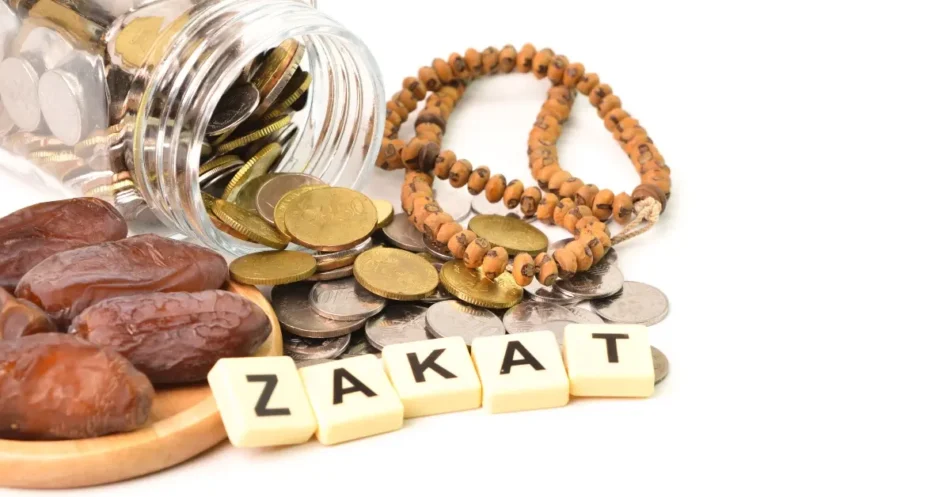
Zakat is far more than an annual religious obligation; it is one of the most structured, compassionate, and effective wealth-redistribution systems in human history. Prescribed as a mandatory pillar of Islam, Zakat requires eligible Muslims to contribute 2.5% of their qualifying net savings each year to uplift the vulnerable. When channeled through transparent, community-focused organizations like Yaqeen, Zakat becomes a direct lifeline that lifts struggling households out of crisis and restores their self-reliance.
For millions of low-income families facing rising living costs, medical emergencies, and unemployment, timely Zakat assistance bridges the gap between despair and dignity.
1. Providing Access to Essential Healthcare
For families living on daily wages, a sudden illness or injury is often the single fastest trigger into deep poverty. When a breadwinner falls sick or a child requires urgent treatment, impoverished households are frequently forced to choose between paying for medical consultations or putting food on the table.
Zakat directly addresses this vulnerability by funding primary healthcare services for those who cannot afford private clinics or navigate overcrowded public hospitals. By supporting a charitable health clinic, donors help cover doctor consultations, maternal and pediatric care, diagnostic tests, and outpatient procedures—ensuring poor families receive timely medical attention before minor conditions turn into life-threatening emergencies.
2. Supplying Free Life-Saving Medication
Receiving a medical diagnosis is only half the battle for underprivileged patients. Countless low-income individuals leave hospitals with prescriptions they simply cannot afford to fill. Chronic illnesses such as diabetes, hypertension, asthma, and heart disease require consistent daily medication, while acute infections demand complete courses of antibiotics.
Zakat-funded programs that provide free medicine remove this financial barrier completely. When families receive authentic, quality-assured pharmaceuticals at no cost, patients recover faster, breadwinners return to work sooner, and households avoid taking predatory high-interest loans just to pay pharmacy bills.
3. Ensuring Food Security and Basic Nutrition
Hunger remains one of the most immediate challenges faced by destitute households, widows, orphans, and elderly individuals without family support. High inflation in staple food items—such as flour, cooking oil, lentils, rice, and milk—leaves many families skipping meals or surviving on inadequate nutrition.
Zakat provides both immediate and recurring food relief through monthly ration packages and community kitchens. In addition, fulfilling Ramadan-specific obligations plays a vital role in seasonal food security. Calculating your exact obligation with a Fitrana calculator ensures that every family member’s contribution reaches needy households before Eid prayers, allowing poor families to share festive meals with dignity alongside the wider community.
4. Breaking the Cycle of Generational Poverty Through Education
True poverty alleviation requires looking beyond short-term relief to long-term empowerment. Children from impoverished backgrounds are often pulled out of school early to work as child laborers or help support their families financially, trapping subsequent generations in the same cycle of hardship.
Zakat funds remove financial obstacles to education by covering school fees, uniforms, textbooks, stationery, and nutritional support for orphans and underprivileged students. Additionally, Zakat-backed vocational training equips young adults and widows with practical skills—such as tailoring, digital literacy, and technical trades—enabling them to earn a sustainable livelihood and eventually transition from Zakat recipients into Zakat givers.
5. Relieving Debt and Financial Distress
The Quran explicitly designates Al-Gharimin—individuals overwhelmed by legitimate, unpayable debt—as one of the eight rightful categories of Zakat recipients. Many poor families fall into debt not out of extravagance, but due to medical emergencies, basic household survival, or sudden job loss.
Zakat relieves this crushing psychological and financial burden by settling verified debts for struggling families, allowing them to rebuild their lives without constant fear of creditors or loss of basic shelter.
6. How to Ensure Your Zakat Reaches Those Who Need It Most
To maximize the positive impact of your Zakat on poor families, follow a structured approach before giving:
- Calculate Accurately: Determine your exact obligation across cash, gold, silver, investments, and business inventory using a reliable Zakat calculator so not a single rupee of the poor’s rightful share is missed.
- Verify Organizational Transparency: Choose charities with a clear mission and vision dedicated to serving verified Mustahiqeen (Zakat-eligible individuals) under strict Shariah compliance.
- Give Purposefully: Whether you contribute once a year during Ramadan or set up recurring monthly support, select the designated Zakat option when you donate so your funds are strictly ring-fenced for eligible beneficiaries.
A Collective Responsibility That Builds Stronger Communities
Zakat is designed to circulate wealth with empathy and justice, ensuring that no family is left behind due to illness, hunger, or misfortune. Every contribution whether it funds a child’s prescription, a mother’s medical checkup, or a family’s monthly groceries creates a ripple effect of hope, stability, and human dignity across society.


