 WhatsApp Us Now
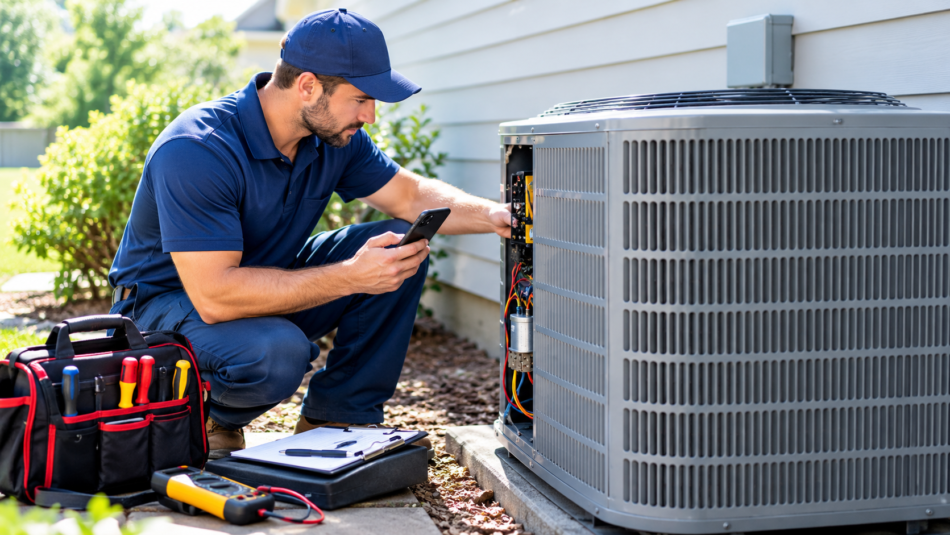
Summer in South Carolina doesn’t play around. One minute your house feels like a walk-in freezer, and the next your AC is huffing and puffing like it ran a marathon and still can’t cool a single room. Before you pick up the phone and book an appointment, take a breath. A good chunk of AC problems can actually be solved with a little detective work on your part. Not everything, sure, but enough to save you a service call and maybe even a little embarrassment when the tech shows up and flips a breaker you missed.
Let’s walk through this together, step by step, the way a neighbor who happens to know a thing or two about HVAC would.
Why Bother Troubleshooting Your AC Yourself First
Think of your AC system like your car. Sometimes it just needs gas, not a whole engine rebuild. Calling a technician for something as simple as a tripped breaker or a dirty filter is like towing your car because you forgot to check the fuel gauge. It happens more than you’d think, and it costs money that didn’t need to be spent.
Doing a quick check yourself isn’t just about saving cash, though that’s a nice bonus. It also helps you describe the problem accurately when you do call for help, which means faster, more accurate service.
Check These Basics Before You Panic
1. Look at Your Thermostat Settings
This sounds almost too obvious, but hear me out. Kids mess with thermostats. Pets sit on them. Someone “helpfully” switches it to “heat” instead of “cool” without telling you. Double check that it’s set to cool, the temperature is actually lower than the room temp, and the fan is set to “auto” rather than “on,” which can sometimes trick you into thinking air isn’t cooling when it’s really just blowing constantly.
2. Check the Circuit Breaker
AC units pull a lot of power, and breakers trip for all sorts of reasons, including simple overloads. Head to your electrical panel and look for a breaker that’s flipped to the middle or off position. Reset it and see if your system kicks back on. If it trips again right away, stop right there. That’s a sign of a bigger electrical issue, and that’s exactly the kind of thing worth calling in the pros for.
3. Inspect the Air Filter
A clogged filter is probably the single most common reason ACs stop cooling properly. When airflow gets choked off, your system has to work harder, and it can even freeze up internally. Pull the filter out and hold it up to a light. If you can’t see light coming through, it’s time for a new one. This is genuinely a five-minute fix that solves a surprising number of “my AC isn’t cooling” complaints.
Common AC Problems You Can Actually Fix
1. Weak or No Airflow
If air is barely trickling out of your vents, check that all vents and registers around the house are open and unblocked by furniture or rugs. Also revisit that filter, because weak airflow and a dirty filter go hand in hand more often than not.
2. AC Running But Not Cooling
This one’s frustrating because the unit sounds like it’s working, but the house stays warm. Sometimes this points to low refrigerant, which isn’t a DIY fix, but sometimes it’s as simple as a dirty outdoor condenser coil restricting heat exchange. Give the outdoor unit a visual once-over before assuming the worst.
3. Strange Noises Coming From the Unit
A little hum is normal. Grinding, squealing, or banging is not. These noises often mean a loose part or worn component, and while you shouldn’t take the unit apart yourself, turning it off and noting exactly what the sound reminds you of (squealing belt, banging pot lid, whatever) will help a technician diagnose it fast.
4. Water Pooling Near the Indoor Unit
This usually means a clogged condensate drain line. You can sometimes clear this yourself with a wet/dry vacuum at the drain outlet outside your home. If water keeps coming back, though, don’t keep mopping it up forever. That’s your cue to get someone out there before it damages your flooring or ceiling.
Outdoor Unit Trouble? Here’s What to Look For
1. Debris Around the Condenser
Leaves, grass clippings, pollen, all the stuff South Carolina yards are famous for, can pile up around your outdoor unit and choke its airflow. Clear away anything within about two feet of the unit and gently hose off the fins if they look dusty.
2. Frozen Coils
If you see ice forming on the refrigerant lines or coils, turn the system off immediately and let it thaw completely before doing anything else. Running a frozen system can cause real damage. Once thawed, check the filter again, since restricted airflow is the most common cause of freezing.
When It’s Time to Stop DIY-ing and Call a Pro
There’s a point where poking around starts to feel more like guessing, and that’s exactly where you want to stop. Refrigerant leaks, electrical faults, compressor issues, and anything involving the sealed refrigerant system require licensed hands and specialized tools. Trying to force it yourself can turn a $150 fix into a $1,500 one.
Signs You Need Professional Help Right Away
- The breaker keeps tripping no matter what you do
- You smell burning or see sparks
- The system blows warm air even after filter and thermostat checks
- Ice keeps returning after thawing
- The unit makes loud mechanical noises consistently
If you’re anywhere near the Upstate and want people who actually know what they’re doing, working with established hvac contractors rock hill sc homeowners already trust can save you a ton of guesswork and stress.
Simple Habits That Prevent Future AC Headaches
Honestly, most AC emergencies are preventable. Change your filter every one to three months depending on usage and pets. Keep your outdoor unit clear of vegetation and debris. Schedule a seasonal tune-up before the real heat hits, ideally in spring. These habits are like brushing your teeth. Boring, sure, but they save you from a much bigger, more painful problem down the road.
If you’d rather not deal with any of this and just want peace of mind, reliable hvac rock hill sc technicians can set up a maintenance plan so small issues get caught before they turn into system failures.
Final Thoughts
Troubleshooting your AC before calling in a technician isn’t about playing hero or avoiding professionals altogether. It’s about being smart with your time and money, catching the easy stuff yourself, and knowing exactly when to hand things off to someone with the right training and tools. A little effort upfront, checking filters, breakers, and thermostat settings, can save you an unnecessary service call and a good bit of frustration on a hot South Carolina afternoon. When you do need real expertise though, don’t hesitate. Working with trusted local professionals means the job gets done right the first time, and you get your cool air back fast.
FAQs
Q1: Why is my AC blowing warm air?
Usually a dirty filter, low refrigerant, or a thermostat set wrong. Check the easy stuff first.
Q2: How often should I change my AC filter?
Every 1 to 3 months, more often if you have pets or allergies in the home.
Q3: Is it normal for my AC to make some noise?
A soft hum is fine. Grinding, banging, or squealing means something needs attention.
Q4: Can I fix a frozen AC coil myself?
You can turn it off and let it thaw, but the underlying cause often needs a professional look.
Q5: When should I stop troubleshooting and call someone?
If the breaker keeps tripping, you smell burning, or the problem returns after basic fixes, call a technician right away.


