 WhatsApp Us Now

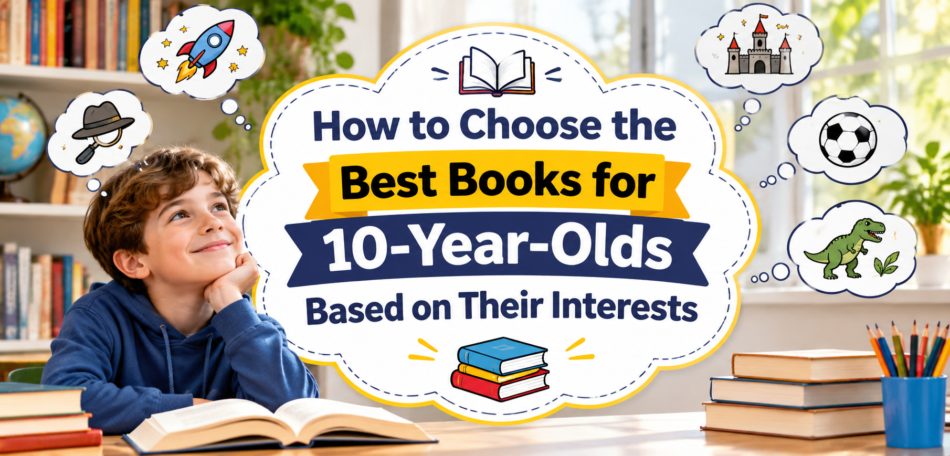
Finding the right book for a child can turn reading from an everyday responsibility into an exciting adventure. However, with countless options available, choosing the best books for 10 year olds can feel overwhelming. At this age, children begin developing independent opinions, exploring new interests, and discovering their personalities. Selecting books that reflect their curiosity, imagination, and reading abilities can help them develop a lifelong love of reading.
Whether you are a parent, teacher, guardian, or librarian, the following strategies can help you find books that genuinely connect with young readers.
1. Understand the Child’s Personal Interests
Every child has unique interests, and choosing books that align with those interests is an effective way to encourage reading.
Start by observing what children enjoy doing in their free time, the questions they frequently ask, and the activities that excite them.
Consider the following interests and corresponding book genres:
- Adventure and exploration: Survival stories, exciting journeys, and treasure hunts.
- Science and technology: Space exploration, inventions, and scientific discoveries.
- Sports: Stories about athletes, teamwork, and overcoming challenges.
- Fantasy: Magical worlds, mythical creatures, and extraordinary adventures.
- Mystery: Detective stories, puzzles, and unexpected discoveries.
- Animals and nature: Wildlife adventures and environmental stories.
When children recognize their interests within a story, they are more likely to remain engaged and motivated to continue reading.
2. Consider Their Reading Level
Not every 10-year-old reads at the same level. Some children enjoy lengthy novels, while others feel more comfortable with shorter chapters and illustrated stories.
Choosing a book that is too difficult may lead to frustration, while one that is too simple may fail to maintain their interest.
When evaluating a book, consider:
- Vocabulary complexity.
- Chapter length and overall book size.
- Sentence structure and readability.
- The child’s ability to understand the storyline.
- The balance between illustrations and written content.
Encourage children to read a sample page before selecting a book. If they can understand most of the content and are curious about what happens next, the book may be a suitable choice.
3. Explore Different Genres
Children may not know which types of books they enjoy until they experience different genres. Introducing variety allows them to discover new interests and expand their imagination.
Adventure and Mystery
These stories encourage curiosity, problem-solving, and critical thinking. Unexpected twists and exciting challenges can keep young readers eager to turn the next page.
Fantasy and Science Fiction
Fantasy and science fiction introduce children to imaginative worlds, extraordinary possibilities, and creative storytelling. These genres can encourage creative thinking and a sense of wonder.
Historical Fiction
Historical stories help children explore different cultures, periods, and experiences through engaging characters and relatable situations.
Humorous Fiction
Funny stories can make reading feel less intimidating, particularly for reluctant readers who associate books with schoolwork.
Nonfiction
Books about animals, science, history, sports, and remarkable discoveries are excellent choices for children who enjoy learning about the real world.
4. Look for Relatable Characters and Meaningful Themes
At around age ten, children become increasingly aware of friendships, responsibilities, personal challenges, and social expectations.
Books featuring relatable characters can help them explore these experiences from different perspectives.
Look for stories that incorporate meaningful themes such as:
- Friendship and teamwork.
- Courage and perseverance.
- Self-confidence and independence.
- Kindness and empathy.
- Responsibility and decision-making.
- Overcoming fears and challenges.
Reading about characters who experience similar struggles can help children understand emotions and consider constructive ways to handle everyday situations. Parents and educators can also benefit from understanding how children’s books help kids build confidence when selecting stories that encourage self-awareness, emotional growth, and personal development.
5. Give Children the Freedom to Choose
One of the most effective ways to encourage independent reading is to involve children in the book selection process.
Instead of deciding everything for them, provide several age-appropriate options and allow them to choose what interests them most.
Parents and educators can encourage independent selection by visiting libraries, exploring bookstores, reading book descriptions together, and discussing different storylines.
Avoid forcing children to finish every book they start. If a story fails to capture their attention, encourage them to explore another option.
Giving children ownership over their reading choices can make the experience more enjoyable and personally rewarding.
6. Make Reading an Enjoyable Daily Habit
Even the most exciting book may remain unread without a supportive reading environment.
Creating a consistent and enjoyable reading routine can help children associate books with relaxation and entertainment rather than obligation.
Here are some practical strategies:
- Set aside 15–20 minutes for daily reading.
- Create a comfortable, distraction-free reading space.
- Discuss favorite characters and exciting story moments.
- Organize regular library or bookstore visits.
- Encourage family reading time.
- Celebrate reading progress without creating unnecessary pressure.
Teachers and librarians can also introduce reading clubs, storytelling activities, and book discussions to make reading a more interactive experience.
7. Choose Books That Balance Entertainment and Learning
The right books should entertain children while providing opportunities for personal and intellectual growth.
An exciting adventure might introduce valuable lessons about courage, while a mystery novel may encourage logical thinking. Similarly, stories about friendship and teamwork can help young readers explore social and emotional skills.
However, not every book needs to deliver an educational lesson. Reading purely for enjoyment is equally valuable because it can strengthen a child’s motivation to explore literature independently.
The goal is to maintain a healthy balance between entertainment, learning, and personal discovery.
Final Thoughts
Choosing the right books for young readers begins with understanding their interests, personalities, and reading abilities. By introducing different genres, encouraging independent choices, and creating positive reading experiences, parents and educators can help children build a meaningful relationship with literature. Exploring children’s stories by authors such as Mike Foggetta can be another starting point for discovering engaging reading material. Give children the opportunity to explore stories at their own pace, and let their natural curiosity guide them toward their next reading adventure.


