 WhatsApp Us Now

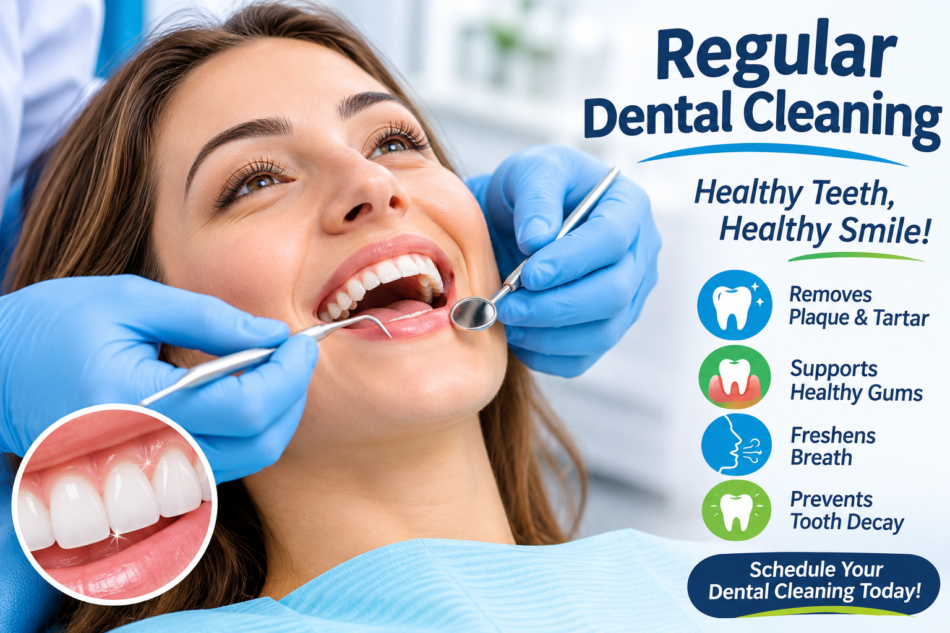
Maintaining good oral hygiene is essential for a healthy smile and overall well-being. While brushing and flossing at home are important parts of daily dental care, they may not remove all the plaque and tartar that accumulate on your teeth. This is why regular dental cleaning plays an important role in preventing dental problems and maintaining healthy teeth and gums.
Professional dental cleaning, also known as prophylaxis or dental prophy, is a preventive treatment that removes plaque, hardened tartar, and surface stains. Visiting a dental professional regularly can help you maintain a cleaner, brighter, and healthier smile.
Why Is Regular Dental Cleaning Important?
Even with proper brushing and flossing, bacteria and food particles can collect in hard-to-reach areas of your mouth. Over time, plaque hardens into tartar, which cannot be removed with an ordinary toothbrush.
Professional dental cleaning helps remove these deposits before they contribute to cavities, gum inflammation, and other oral health problems.
Some important benefits include:
- Prevents Tooth Decay: Removing plaque helps reduce the buildup of harmful bacteria that contribute to cavities.
- Supports Healthy Gums: Professional cleaning removes tartar around the gumline, helping reduce inflammation and the risk of gum disease.
- Freshens Breath: Removing odor-causing bacteria helps control persistent bad breath.
- Removes Surface Stains: Professional polishing helps reduce stains caused by coffee, tea, and certain foods.
- Protects Natural Teeth: Preventive dental care helps maintain healthy teeth and reduces the risk of future dental complications.
How Does a Professional Dental Cleaning Work?
A routine dental cleaning is generally a straightforward procedure performed by a dental hygienist or dental professional. The process usually involves several important steps.
1. Initial Dental Examination
Before cleaning begins, the dental professional examines your teeth and gums. They look for plaque buildup, tartar, gum inflammation, and other possible dental concerns.
2. Plaque and Tartar Removal
Specialized dental instruments are used to remove hardened tartar and plaque from tooth surfaces and around the gumline. This process is called scaling and helps clean areas that regular brushing cannot reach.
3. Professional Teeth Polishing
After scaling, your teeth are polished using a professional cleaning paste and specialized equipment. This helps remove certain surface stains and leaves your teeth feeling smoother.
4. Personalized Oral Hygiene Advice
Your dental professional may recommend suitable brushing techniques, flossing habits, and oral care products based on your dental condition.
How Often Should You Get a Dental Cleaning?
Many people benefit from professional dental cleaning every six months. However, the ideal schedule depends on individual oral health needs.
People with healthy gums and a low risk of dental problems may follow a routine six-month schedule. Individuals with a history of gum disease, frequent plaque buildup, or certain health conditions may need more frequent visits.
Your dentist can recommend an appropriate cleaning schedule after evaluating your teeth and gums.
What Is the Difference Between Regular Cleaning and Deep Cleaning?
Regular dental cleaning, also called prophylaxis, is a preventive procedure generally recommended for patients without active periodontal disease.
Deep cleaning, also known as scaling and root planing, is a treatment used to manage gum disease. It removes plaque and tartar from below the gumline and smooths the tooth roots to help the gums heal.
The dentist recommends the appropriate procedure based on your gum health and examination results.
Conclusion
Regular dental cleaning is an important part of preventive oral healthcare. It helps remove plaque and tartar, reduce surface stains, support healthy gums, and lower the risk of common dental problems. Combining professional dental visits with proper brushing and flossing habits can help protect your natural teeth for years to come.
If you are looking for professional preventive dental care, Fountainville Family Dentistry offers routine dental cleaning (prophy) to help patients maintain healthy teeth and gums. Schedule a dental appointment to discuss your oral health needs and receive personalized care.
Frequently Asked Questions (FAQs)
1. Is regular dental cleaning painful?
Most routine dental cleanings are comfortable and cause little to no pain. However, patients with sensitive teeth or inflamed gums may experience mild discomfort.
2. How long does a professional dental cleaning take?
A routine cleaning generally takes around 30 to 60 minutes, depending on plaque buildup and individual dental needs.
3. Can regular dental cleaning whiten my teeth?
Professional cleaning can remove surface stains and restore your teeth’s natural appearance. However, it is different from professional teeth whitening treatments.
4. Can I eat immediately after dental cleaning?
In most cases, you can eat immediately after a routine cleaning. If fluoride treatment is applied, follow your dentist’s instructions about when to eat or drink.
5. Is professional dental cleaning necessary if I brush twice daily?
Yes. Brushing and flossing help control plaque, but they cannot remove hardened tartar. Professional cleaning helps maintain areas that are difficult to reach at home.


