 WhatsApp Us Now
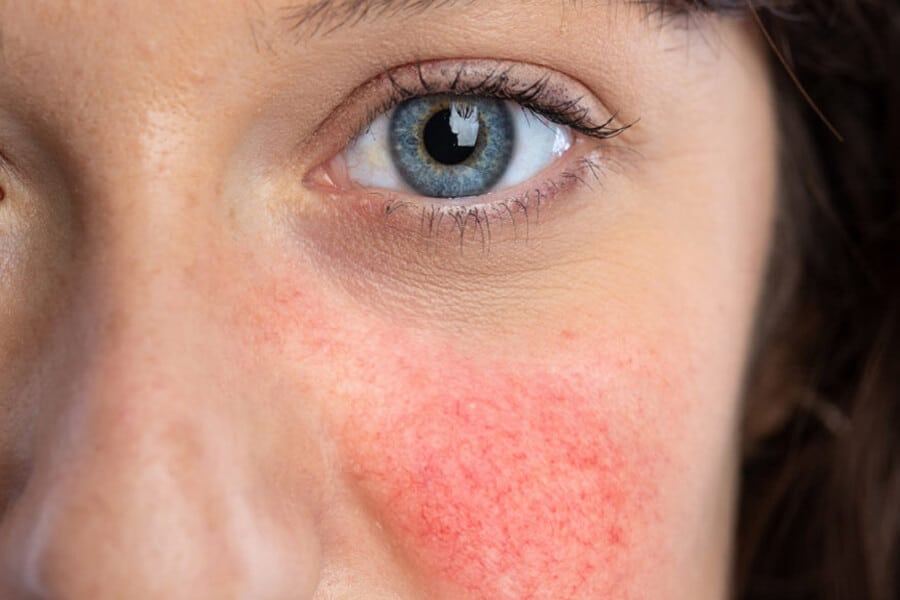
Rosacea is a chronic skin condition characterized by facial redness, visible blood vessels, and sometimes bumps or pimples. It primarily affects the central face, causing discomfort and affecting self-confidence. The condition can vary significantly in severity, and managing it effectively requires tailored treatment strategies. Recognizing the importance of timely and effective intervention, many individuals seek Rosacea Treatment in Abu Dhabi to alleviate symptoms and improve skin appearance. The goal of treatment is not only to reduce redness and inflammation but also to prevent flare-ups and skin damage.
The Goals of Rosacea Treatment
The primary aim of rosacea treatment is to control symptoms, minimize flare-ups, and improve skin texture. This involves reducing redness, swelling, and visible blood vessels while preventing progression. Treatments are often customized based on the severity and specific symptoms experienced by the individual. A comprehensive approach may include topical medications, laser therapy, and lifestyle modifications to support skin health. The focus remains on achieving visible improvements while maintaining skin comfort and health.
Factors Influencing the Speed of Rosacea Treatment Results
The timeline for noticeable results from rosacea treatment varies depending on several factors, including the severity of the condition, the chosen treatment modality, and individual skin response. Some treatments work rapidly to reduce redness and inflammation, while others may require consistent application over weeks or months to achieve optimal outcomes. Patient adherence to recommended skincare routines and lifestyle adjustments also plays a crucial role in determining the speed of results. Understanding these factors helps set realistic expectations and encourages a proactive approach to managing rosacea.
Types of Treatments and Their Expected Timelines
Topical Medications
Topical treatments, such as anti-inflammatory creams and gels, are often prescribed to manage mild to moderate rosacea. These medications typically start showing improvements within a few days to weeks, with more noticeable results appearing after consistent use over several weeks. They help reduce redness, swelling, and bumps, providing relief from symptoms.
Oral Medications
For moderate to severe cases, oral antibiotics or other systemic drugs may be prescribed. These treatments can begin to alleviate symptoms within a week or two, with more sustained improvements observed over several weeks to months. They are particularly effective in controlling persistent inflammation and preventing flare-ups.
Laser and Light-Based Therapies
Laser treatments, such as pulsed dye laser or intense pulsed light (IPL), offer targeted relief by reducing visible blood vessels and redness. Results from laser therapy can often be seen within days to weeks following the procedure, with some patients experiencing significant improvements after a single session. Multiple sessions may be necessary for optimal results, and the effects tend to be long-lasting.
Lifestyle and Skincare Adjustments
Alongside medical treatments, lifestyle modifications—such as avoiding triggers, using gentle skincare products, and sun protection—support faster and more sustained results. These adjustments can help prevent flare-ups and maintain treatment benefits over time.
How Long Does It Take to See Visible Improvements?
The timeline for visible improvements varies widely among individuals, but most patients notice a reduction in redness and inflammation within the first few weeks of initiating treatment. Some may experience rapid relief, especially with laser therapies, while others might see gradual changes over several months. Consistency and adherence to prescribed routines are critical in achieving and maintaining results. It is important to remember that rosacea is a chronic condition, and ongoing management is often necessary to sustain improvements.
Realistic Expectations for Rosacea Treatment Outcomes
While many individuals experience significant symptom relief with appropriate treatment, it is essential to maintain realistic expectations. Complete eradication of rosacea may not be possible, but effective management can greatly improve quality of life. Patience and adherence to treatment plans are vital, and ongoing consultation with healthcare providers ensures adjustments can be made for optimal results.
Maintaining Results and Preventing Flare-Ups
Post-treatment, maintaining skin health involves ongoing skincare, avoiding known triggers, and protecting the skin from environmental factors like sun exposure. Regular follow-up appointments help monitor progress and make necessary adjustments. A holistic approach combining medical treatment and lifestyle changes offers the best chance for long-lasting results and minimized flare-ups.
FAQs About Rosacea Treatment in Abu Dhabi
How quickly can I expect to see results from rosacea treatment?
Results can vary, but many patients notice improvements within a few weeks of starting treatment, especially with laser therapies or topical medications. Consistency and adherence to skincare routines significantly influence the speed and extent of results.
Are there any immediate visible effects after rosacea treatment?
Some treatments, particularly laser and light-based procedures, can produce immediate or very short-term improvements, such as reduced redness or visible blood vessels. However, full results often develop over subsequent weeks as inflammation subsides and skin heals.
Can lifestyle changes speed up the effectiveness of rosacea treatment?
Absolutely. Avoiding triggers like spicy foods, alcohol, extreme temperatures, and stress, combined with sun protection and gentle skincare, can enhance treatment outcomes and promote quicker, more sustained improvements.
Is maintenance therapy necessary after initial rosacea treatment?
Yes, ongoing management is typically recommended to keep symptoms under control. Maintenance may include topical medications, lifestyle adjustments, and periodic laser treatments to prevent flare-ups and preserve results.


