 WhatsApp Us Now

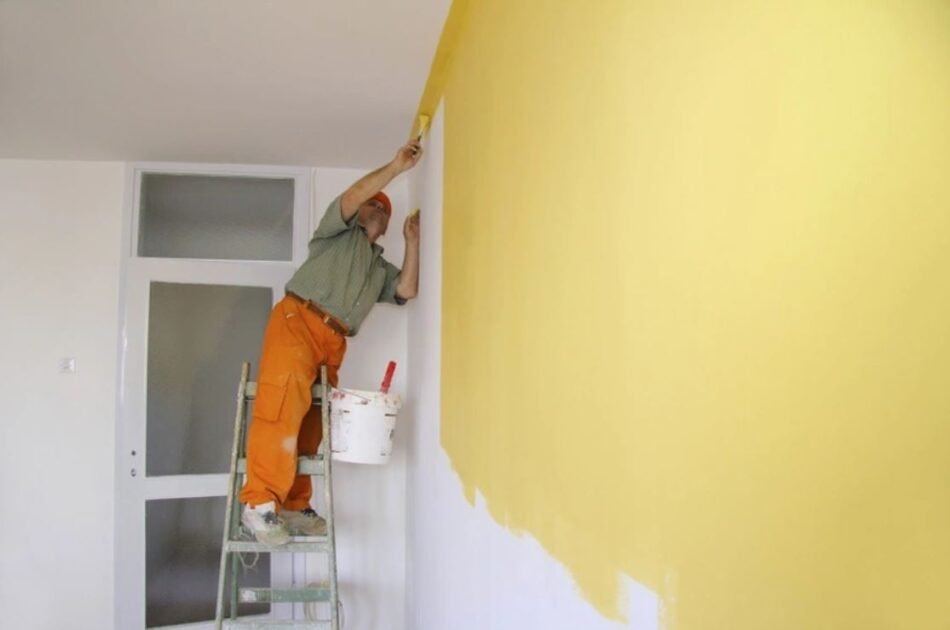
A fresh coat of paint can improve the appearance of a home or business. It can also protect surfaces from everyday wear and damage. Choosing a skilled painting contractor helps property owners achieve smooth finishes, consistent colors, and lasting results. Proper preparation and quality materials are important for every painting project. With the right approach, painting can make indoor and outdoor spaces look cleaner, brighter, and more attractive.
Why Professional Painting Matters?
Painting is more than applying color to walls. It requires planning, surface preparation, and the correct tools. Professional painters understand how different surfaces respond to paint and which products work best for each project. Their experience helps reduce common problems such as uneven coverage, visible brush marks, and peeling paint.
A well-planned painting project can also improve the overall condition of a property. Clean walls and fresh finishes create a better impression for visitors, customers, and potential buyers. Regular painting can help maintain surfaces and reduce the need for more expensive repairs later. Property owners can also choose colors that match their style and practical needs.
Choosing the Right Paint for Your Property
Selecting suitable paint is an important part of any project. Different rooms and surfaces require different products. For example, kitchens and bathrooms often benefit from washable finishes that handle moisture and frequent cleaning. Living rooms and bedrooms may need finishes that create a comfortable appearance while remaining easy to maintain.
Exterior surfaces require paint that can withstand changing weather conditions. Sunlight, rain, humidity, and temperature changes can affect how long paint lasts. Using suitable products helps maintain color and protect the underlying materials. Before selecting paint, consider the surface type, existing condition, and expected level of use.
Color selection also plays a major role in the final result. Light colors can make smaller rooms appear more open, while darker shades can add depth and contrast. Neutral colors often work well for offices and rental properties because they appeal to a wide range of people. Testing sample colors before painting the entire area can help prevent unwanted results.
Protecting Exterior Surfaces With Professional Painting
Outdoor surfaces face regular exposure to sunlight, moisture, dust, and changing temperatures. Over time, these conditions can cause paint to fade, crack, or peel. Proper surface preparation and suitable exterior coatings help protect siding, trim, doors, and other exposed areas. Routine inspections can also help property owners identify paint damage before it becomes more serious.
When comparing options for outdoor projects, searching for an exterior painting contractor near me can help property owners identify professionals who serve their area. It is useful to review the contractor’s experience, project examples, and preparation methods before making a decision. Homeowners should also ask about the types of paint used and the expected maintenance requirements.
Before exterior painting begins, the surface should be checked for loose paint, dirt, cracks, and damaged materials. Depending on the condition, cleaning, scraping, sanding, and priming may be necessary. Plants, outdoor furniture, windows, and nearby walkways should also be protected during the process. These steps help create a cleaner finish and improve paint adhesion.
Preparing Walls Before Applying Paint
Surface preparation has a direct effect on the quality of a painting project. Even high-quality paint may not perform well when applied to dirty or damaged surfaces. Dust, grease, loose paint, and moisture can prevent proper adhesion. Taking time to prepare walls helps create a smooth and consistent finish.
The first step is to inspect the surface carefully. Small holes and cracks may need to be filled, while rough areas may require sanding. Stains should be cleaned when appropriate, and damaged sections should be repaired before painting begins. Primer may also be needed to improve coverage and create a suitable base for the new paint.
Furniture and flooring should be covered to prevent accidental spills. Switch plates, door hardware, and other removable items can be taken off when necessary. Painter’s tape helps create clean edges around trim, windows, and doors. Good preparation reduces mistakes and helps the finished space look more professional.
Benefits of Painting Commercial Properties
Commercial painting can improve the appearance of offices, retail stores, and other business spaces. A clean and well-maintained environment can create a positive impression on employees, clients, and visitors. Color choices can also support the purpose of each area. For example, neutral shades may suit meeting rooms, while brighter accent colors can help highlight certain features.
Businesses should plan painting projects around their daily operations. Depending on the size of the property, work may need to be completed in stages to reduce interruptions. Proper ventilation and suitable drying times are also important when choosing a painting schedule. A clear plan helps businesses maintain a functional workspace throughout the project.
Professional painters can assess the condition of walls, ceilings, trim, and other surfaces before work begins. They can recommend appropriate coatings based on the property’s use and maintenance needs. A written estimate should explain the planned work, materials, preparation, and expected timeline. This information helps business owners compare services and understand the project’s overall cost.
Maintaining a Clean and Professional Office Environment
Office walls can develop marks, scratches, and faded areas because of regular use. Hallways, reception areas, and meeting rooms often experience more contact than other spaces. Fresh paint can improve these areas and help create a cleaner working environment. Regular maintenance also makes it easier to address small problems before they affect larger sections of a building.
When planning office painting services, businesses should consider the size of the workspace, the condition of existing surfaces, and the needs of employees. Low-odor products may be useful in occupied buildings, depending on the product and ventilation available. Scheduling work outside normal business hours can also reduce disruption. A professional assessment helps determine the best approach for each office.
Color consistency is another important consideration for commercial spaces. Using the correct paint finish can make walls easier to clean and maintain. Businesses should keep records of paint colors and product details for future touch-ups. This simple step can help maintain a consistent appearance when repairs or additional painting become necessary.
How to Choose a Reliable Painting Company?
Choosing a suitable painting company requires more than comparing prices. Property owners should look for clear communication, relevant experience, and a detailed description of the work. Asking for examples of previous projects can help show the quality of the company’s finishes. References and customer feedback may also provide useful information about reliability and professionalism.
Before agreeing to a project, request a written estimate. It should explain which surfaces will be painted, what preparation is included, and which materials will be used. The estimate should also clarify the expected schedule and any exclusions. Comparing estimates with similar scopes of work makes it easier to understand the value offered by each company.
It is also important to discuss how unexpected issues will be handled. Damaged wood, moisture problems, or loose paint may require additional work before painting can continue. Understanding these possibilities in advance can reduce confusion later. A reliable contractor should explain the available options and obtain approval before carrying out extra work.
Common Painting Mistakes to Avoid
One common mistake is applying paint without preparing the surface. This can lead to poor adhesion, uneven coverage, and early peeling. Another problem is choosing paint that does not suit the room or exterior material. Checking the surface condition and selecting suitable products can prevent many avoidable issues.
Rushing between coats can also affect the finish. Paint needs the recommended drying time before another coat is applied. The correct application method matters as well, because different surfaces may require brushes, rollers, or spray equipment. Following product instructions helps achieve better coverage and a more consistent appearance.
Property owners should avoid selecting a company based on the lowest price alone. An unusually low estimate may leave out important preparation steps or materials. Ask questions about the work included and how the company plans to protect the property. A clear agreement helps set expectations and supports a smoother project.
Long-Term Benefits of Regular Painting Maintenance
Regular painting maintenance helps keep a property looking presentable. It also gives owners an opportunity to identify surface damage, cracks, and peeling areas. Addressing these problems early can reduce the amount of repair work needed later. The ideal maintenance schedule depends on the surface, paint quality, exposure, and level of use.
Indoor walls may need occasional touch-ups in busy areas, while exterior surfaces should be inspected for weather-related damage. Cleaning painted surfaces according to the paint manufacturer’s instructions can help maintain their appearance. Furniture, equipment, and other objects should be handled carefully to prevent unnecessary scratches and marks.
Keeping records of completed work can make future maintenance easier. Note the paint brand, color, finish, and date of application whenever possible. These details help with matching colors and selecting compatible products for repairs. A practical maintenance plan supports the appearance and condition of the property over time.
Conclusion
Professional painting is a practical way to improve the appearance, protection, and maintenance of residential and commercial properties. Careful preparation, suitable paint selection, and proper application all contribute to a lasting finish. Property owners should compare estimates, review previous work, and discuss their needs before choosing a painting company. For homes and businesses in Broken Arrow and nearby communities, Matthews Painting provides painting services designed to meet different property requirements. Whether you are updating interior walls, refreshing commercial spaces, or maintaining exterior surfaces, Matthews Painting in Broken Arrow, OK, can help you plan your next painting project.


