 WhatsApp Us Now

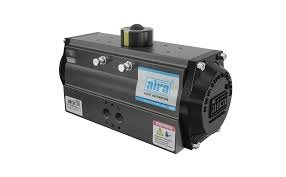
Industrial automation relies on accurate movement, dependable equipment, and efficient process control. In many industries, valves regulate the flow of liquids, gases, steam, and other process media. To operate these valves efficiently, pneumatic actuators use compressed air to generate mechanical movement, enabling automated opening and closing without requiring continuous manual operation.
For businesses looking for a pneumatic actuator manufacturer in india, understanding actuator performance, compatibility, and application requirements is essential for selecting suitable equipment. A properly selected pneumatic actuator can improve valve operation, support process consistency, and help reduce unnecessary maintenance.
Understanding Pneumatic Actuators
A pneumatic actuator is a mechanical device that converts compressed air energy into motion. This movement operates a connected valve, allowing fluid flow to be started, stopped, or controlled according to system requirements.
Pneumatic actuators are commonly available in two main configurations: single-acting and double-acting. A single-acting actuator uses compressed air in one direction and a spring to return the mechanism to its original position. A double-acting actuator uses compressed air for both opening and closing movements.
The appropriate design depends on the valve type, required operating torque, available air pressure, and the desired response during an air supply failure.
How Pneumatic Actuators Improve Valve Performance
Pneumatic actuators help automate valve operation by providing controlled mechanical movement. Instead of requiring an operator to turn a valve manually, the actuator can receive a signal from a control system and operate the valve accordingly.
This capability is particularly valuable in production environments where valves must operate frequently or in locations that are difficult to access. Automated operation can improve consistency and reduce the time required for routine process adjustments.
When correctly sized and installed, pneumatic actuators can provide reliable switching, repeatable movement, and effective integration with industrial automation equipment.
Major Benefits of Pneumatic Actuators
Pneumatic actuators offer several advantages for industrial valve applications.
- Fast operation: Compressed air allows rapid movement, making pneumatic actuators suitable for applications that require quick valve opening and closing.
- Reliable performance: Properly selected actuators can withstand repeated operating cycles under suitable working conditions.
- Automation compatibility: They can integrate with solenoid valves, limit switches, position indicators, and compatible control systems.
- Flexible configurations: Different actuator designs support various valve sizes, operating requirements, and installation arrangements.
- Reduced manual effort: Automated valve operation helps minimize routine manual intervention and improves operational convenience.
These benefits depend on correct sizing, air quality, operating pressure, installation conditions, and maintenance practices.
Applications Across Different Industries
Pneumatic actuators are used across industries that require dependable valve automation and controlled fluid movement.
Chemical Processing
Chemical plants use automated valves to manage compatible liquids and gases throughout production systems. Pneumatic actuators can help operate isolation and process valves, provided the valve materials and actuator specifications meet the application’s requirements.
Water and Wastewater Treatment
Water treatment facilities use automated valves in filtration, distribution, and treatment processes. Pneumatic actuation can support remote operation and help operators manage multiple valves efficiently.
Food and Beverage Manufacturing
Food and beverage production involves fluid transfer, cleaning processes, and automated equipment. Suitable actuator and valve combinations can support these operations when their materials, construction, and cleaning compatibility meet the required hygiene standards.
Pharmaceutical Production
Pharmaceutical facilities may require precise equipment control and hygienic process arrangements. Pneumatic actuators can automate compatible valves used in fluid handling and process equipment, subject to the applicable operational and cleanliness requirements.
General Manufacturing
Manufacturing facilities use pneumatic actuators in packaging lines, assembly equipment, material handling systems, and industrial machinery. Their integration with automated controls helps coordinate equipment movement and maintain repeatable operating sequences.
Choosing the Right Pneumatic Actuator
Selecting an actuator requires evaluating the complete valve assembly rather than considering the actuator in isolation. The actuator must provide sufficient torque to operate the valve under actual operating conditions.
Important considerations include valve type, valve size, operating pressure, air supply quality, operating frequency, and required opening or closing time. Environmental conditions such as temperature, moisture, dust, and corrosive exposure should also influence the selection.
The actuator’s mounting arrangement must match the valve connection. In addition, users should determine whether a single-acting or double-acting design is appropriate and whether accessories such as solenoid valves, position indicators, or limit switches are necessary.
For safety-related applications, the required fail-open or fail-closed behavior must be established before selecting the actuator and spring-return arrangement.
Maintenance for Consistent Operation
Regular maintenance helps preserve actuator performance and reduce unexpected interruptions. Inspect air connections, mounting hardware, seals, and external components for leakage, damage, or excessive wear.
Compressed air should be sufficiently clean and dry for the actuator’s specifications. Contamination and moisture can contribute to premature wear, corrosion, or unreliable operation. Air pressure should remain within the manufacturer’s specified operating range.
Periodic functional checks can identify slow movement, unusual noise, inconsistent switching, or insufficient torque before these issues affect production. Maintenance should follow the equipment manufacturer’s instructions and appropriate safety procedures.
Conclusion
Pneumatic actuators play an important role in improving valve performance across modern industrial systems. Their fast operation, automation compatibility, and flexible configurations make them suitable for many applications involving fluid control and process automation.
By evaluating torque requirements, operating conditions, valve compatibility, and maintenance needs, industries can select actuators that support reliable operation and efficient production. Correct installation, suitable compressed air, and regular inspection further contribute to long-term performance and dependable valve automation.


