 WhatsApp Us Now
Regular dental cleaning is an important part of maintaining healthy teeth and gums, even if you brush and floss every day. Teeth Polishing & Scaling in Dubai can help remove plaque, tartar, and surface stains that routine brushing may not eliminate. But how often should you actually have this treatment? The answer depends on your oral health, gum condition, lifestyle, and individual risk of dental problems.
For many people, professional teeth cleaning every six months is a useful general guideline. However, some individuals may need more frequent appointments, particularly if they have gum disease, heavy tartar buildup, or other oral health concerns.
What Are Teeth Polishing and Scaling?
Teeth scaling and polishing are professional dental cleaning procedures designed to clean areas of the mouth that can be difficult to maintain with regular brushing and flossing.
Scaling focuses on removing plaque and hardened tartar, also known as dental calculus, from the surfaces of the teeth and around the gumline. Once plaque hardens into tartar, it cannot be effectively removed with a normal toothbrush.
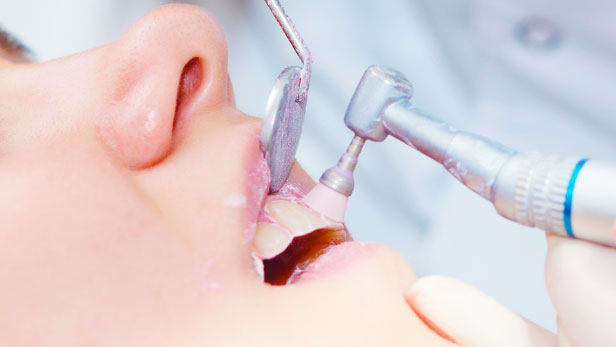
Polishing is generally performed after scaling. It helps smooth the tooth surfaces and remove certain surface stains and remaining deposits, leaving the teeth feeling cleaner and smoother.
Together, these procedures can support better oral hygiene and help reduce the buildup of substances that contribute to gum irritation and dental problems.
How Often Should You Get Professional Teeth Cleaning?
For people with generally healthy teeth and gums, a dental cleaning every six months is often recommended as a practical routine. This schedule allows a dental professional to monitor your oral health while removing plaque and tartar before they become more difficult to manage.
However, there is no single schedule that works for everyone. Your dentist may recommend professional scaling and polishing more or less frequently depending on your individual needs.
Factors that may affect how often you need dental cleaning include:
- How quickly plaque and tartar accumulate
- Your history of gum disease
- How effectively you brush and floss
- Smoking or tobacco use
- Diet and lifestyle habits
- Crowded or difficult-to-clean teeth
- Certain medical or oral health conditions
- Previous dental treatments and complications
Someone who develops tartar quickly may benefit from appointments more often than every six months. In contrast, a person with excellent oral hygiene and minimal buildup may require less frequent professional cleaning based on their dentist’s recommendation.
Signs You May Need Teeth Scaling Sooner
Waiting for your next routine appointment may not be appropriate if you are already experiencing signs of plaque or tartar buildup. Changes in your gums can sometimes indicate that professional cleaning is needed.
Common warning signs include:
Bleeding Gums
If your gums bleed frequently while brushing or flossing, it may be a sign of gum inflammation. Persistent bleeding should be evaluated by a dental professional rather than ignored.
Visible Tartar
Tartar can appear as yellowish, brownish, or hardened deposits around the gumline or between teeth. Because it is firmly attached to the tooth surface, professional scaling is usually necessary to remove it safely.
Bad Breath
Persistent bad breath, despite regular brushing, flossing, and tongue cleaning, can sometimes be associated with plaque and bacteria around the teeth and gums.
Swollen or Tender Gums
Red, swollen, or sensitive gums may indicate inflammation. Regular professional dental cleaning can be part of an overall approach to managing plaque-related gum problems.
Rough Tooth Surfaces
When tartar accumulates, teeth may feel rough or uneven, especially near the gumline. Polishing after scaling can help leave the cleaned surfaces smoother.
These signs do not necessarily mean you need scaling immediately, but they are good reasons to schedule a dental examination.
Why Regular Scaling Helps Prevent Tartar Buildup
Plaque is a sticky film containing bacteria that constantly forms on teeth. When it is not adequately removed, minerals in saliva can cause it to harden into tartar.
Tartar is more difficult to remove than ordinary plaque and can accumulate along and beneath the gumline. This buildup can contribute to gum inflammation and may increase the risk of periodontal problems when oral hygiene is inadequate.
Regular professional cleaning helps remove deposits that brushing and flossing cannot reach effectively. It should not replace daily oral care, but rather complement it.
Professional teeth polishing and scaling in Dubai can therefore be useful as part of a preventive oral hygiene routine. Maintaining regular appointments can also give your dentist an opportunity to identify early signs of cavities, gum inflammation, or other dental concerns.
Is Every Six Months Enough for Everyone?
Although the six-month rule is commonly used as a general guideline, some people need a personalized cleaning schedule.
For example, patients with a history of periodontal disease may require professional cleaning at shorter intervals. People who develop substantial tartar quickly may also benefit from more frequent visits.
On the other hand, someone with healthy gums, excellent brushing and flossing habits, and little tartar accumulation may not require exactly two professional cleanings every year.
Your dentist can determine an appropriate schedule after examining your teeth and gums. Rather than following a fixed calendar alone, consider your dental cleaning frequency as something that should be adjusted according to your oral health.
How to Maintain Clean Teeth Between Appointments
Professional cleaning works best when combined with consistent home care. Daily habits help control plaque before it has an opportunity to harden into tartar.
A simple oral hygiene routine should include:
- Brush twice daily: Use a fluoride toothpaste and spend about two minutes brushing all tooth surfaces.
- Clean between your teeth: Floss or use another dentist-recommended interdental cleaning method once a day.
- Clean your tongue: Gently cleaning the tongue can help reduce bacteria and improve overall mouth freshness.
- Limit frequent sugary foods and drinks: Repeated sugar exposure can contribute to tooth decay.
- Attend dental checkups: Regular examinations help identify oral health concerns early.
- Follow personalized advice: If your dentist recommends more frequent cleanings, follow the schedule suited to your specific needs.
These habits can reduce plaque accumulation, but they cannot completely prevent tartar from forming in everyone. That is why professional dental cleaning remains an important part of preventive care.
What Happens During a Scaling and Polishing Appointment?
A typical appointment begins with an assessment of your teeth and gums. The dental professional may examine areas where plaque, tartar, or staining has accumulated.
During scaling, specialized dental instruments are used to remove hardened deposits from the teeth. The process may focus particularly on the gumline and other areas where tartar tends to collect.
After scaling, polishing is performed to remove certain surface stains and smooth the tooth surfaces. Depending on your oral condition, your dentist may also provide guidance on brushing, flossing, or other preventive measures.
The experience can vary from person to person. If you have sensitive teeth, inflamed gums, or significant tartar buildup, you should tell your dental professional before the procedure begins.
How Can You Know Your Ideal Cleaning Schedule?
The best way to determine your ideal schedule is through a dental examination. Your dentist can assess the amount of tartar, the health of your gums, your oral hygiene habits, and any previous dental concerns.
If your gums are healthy and tartar buildup is minimal, routine appointments may be sufficient. If you experience frequent bleeding, gum inflammation, significant tartar, or a history of periodontal problems, your dentist may recommend more frequent professional cleanings.
The important point is that professional cleaning should be viewed as part of long-term preventive dental care rather than something to schedule only when your teeth look stained.
Conclusion
For many people, professional scaling and polishing every six months can be a useful starting point, but your ideal frequency depends on your individual oral health. Heavy tartar buildup, gum inflammation, periodontal concerns, and lifestyle factors may mean that you need professional cleaning more frequently.
Daily brushing and interdental cleaning remain essential between appointments, while regular dental examinations help determine whether your cleaning schedule needs adjustment. If you are unsure how often you should have your teeth professionally cleaned, speak with a qualified dental professional about a schedule suited to your needs.
Choosing appropriate Teeth Polishing & Scaling Treatment at the recommended intervals can help support cleaner teeth, healthier gums, and better long-term oral hygiene.


