 WhatsApp Us Now
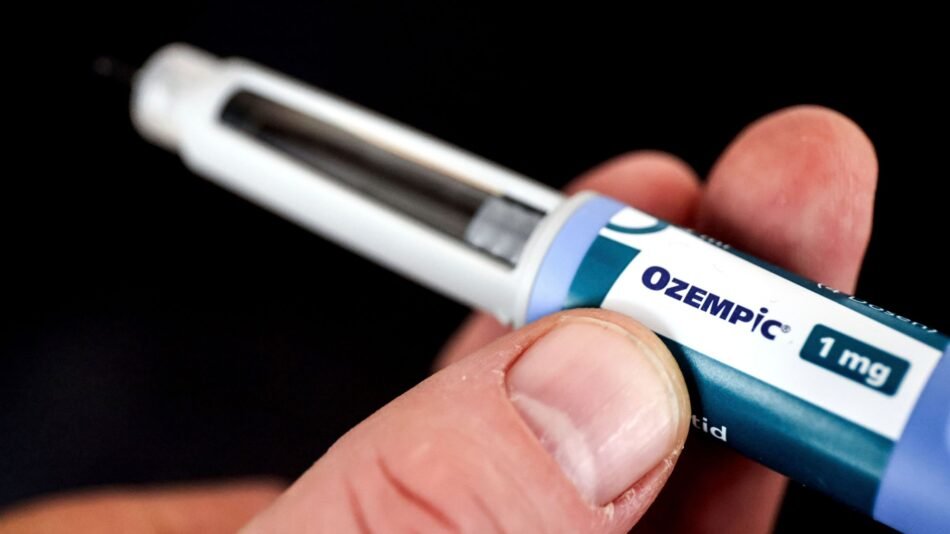
Nausea is one of the most commonly discussed digestive concerns among people using Ozempic, and understanding why it may occur can make the experience easier to manage. People researching Ozempic Injection in Dubai often want to know whether nausea is expected, what can trigger it, and how everyday habits may influence digestive comfort. Although nausea can be uncomfortable, it is not necessarily a sign that something is seriously wrong. However, persistent or severe symptoms should always be discussed with a qualified healthcare professional.
Why Can Ozempic Be Associated With Nausea?
Nausea may occur because Ozempic can influence appetite and digestive activity. As a result, some people may feel fuller for longer and may become uncomfortable if they eat more than their body currently tolerates. The sensation can range from mild queasiness to a stronger feeling that makes eating less appealing.
Individual responses vary considerably. Some people experience little or no nausea, while others may notice digestive discomfort, particularly when their body is adjusting to the medication. Personal eating habits, hydration, meal size, and sensitivity to medications can also affect how noticeable nausea becomes.
Eating Habits That May Make Nausea Worse
Certain eating patterns can make an unsettled stomach feel more uncomfortable. Large meals, rich foods, and eating very quickly may place additional strain on digestion and can make feelings of fullness or nausea more noticeable.
- Choose smaller meals rather than very large portions.
- Eat slowly and give yourself time between bites.
- Avoid eating until you feel excessively full.
- Pay attention to foods that repeatedly trigger discomfort.
- Keep meals relatively simple when your stomach feels unsettled.
Keeping a food-and-symptom record may also help identify patterns. For example, someone may notice that nausea is more noticeable after particularly greasy meals or when eating late at night.
Can Eating Fatty Foods Increase Nausea?
Fatty or heavily fried foods may be harder for some people to tolerate when experiencing medication-related digestive discomfort. Foods such as fried snacks, greasy fast food, rich sauces, and very heavy meals may leave a person feeling excessively full or uncomfortable.
This does not mean every person taking Ozempic needs to eliminate dietary fat completely. Instead, paying attention to personal tolerance is important. If a particular meal repeatedly seems to worsen nausea, reducing its portion or choosing a lighter alternative may be more comfortable.
Does Dehydration Contribute to Feeling Nauseous?
Hydration is another important consideration. Not drinking enough fluids may contribute to general weakness, dizziness, headache, or an uncomfortable stomach. If nausea is already present, becoming dehydrated can make the overall experience more difficult.
Some people may also drink less because they are eating and drinking less than usual. Taking regular small sips of water can be more manageable than consuming a large amount at once when the stomach feels unsettled. If vomiting or persistent diarrhea occurs, fluid and electrolyte losses can become more concerning. Anyone experiencing significant fluid loss should seek medical advice rather than relying solely on home measures.
What Other Digestive Symptoms Can Accompany Nausea?
Nausea does not always appear on its own. Some people may notice other digestive symptoms while taking Ozempic. These can vary in intensity and may occur differently from one person to another.
- Vomiting
- Diarrhea
- Constipation
- Abdominal discomfort
- Bloating
- Reduced appetite
- A feeling of fullness
Having one of these symptoms does not automatically indicate a serious complication. However, symptoms that are persistent, unusually intense, or interfering substantially with normal eating and drinking deserve professional attention.
Can Eating Too Quickly Make the Feeling Worse?
Eating quickly may contribute to discomfort because it can make it easier to consume more food before the sensation of fullness becomes noticeable. When appetite is reduced, a person may also misjudge how much food feels comfortable.
Slowing down during meals may therefore be useful. Taking smaller bites, chewing thoroughly, and pausing during meals can help a person recognize fullness earlier. It can also make meals feel less overwhelming when nausea is already present. The goal is not to follow a rigid eating schedule but to develop a more comfortable relationship with portion size and eating speed.
Are Certain Drinks Linked With More Nausea?
Drinks can also influence how comfortable the stomach feels. Carbonated beverages, highly caffeinated drinks, and very sugary beverages may aggravate digestive discomfort for some individuals. Alcohol can also irritate the digestive system and may be inappropriate for people taking certain medications or managing particular health conditions.
When nausea occurs, plain water or another suitable non-irritating beverage may be easier to tolerate. However, individual preferences and medical circumstances differ, so people with specific dietary or medical restrictions should follow advice from their healthcare professional.
How Can People Discuss Persistent Nausea With Their Doctor?
Keeping track of symptoms can make conversations with a healthcare professional more useful. Instead of simply saying that nausea occurs, a person can note when it tends to appear, what foods or drinks were consumed beforehand, whether vomiting occurs, and whether normal fluid intake is becoming difficult.
It is also important not to change the prescribed amount or frequency of Ozempic independently. If nausea is troublesome, a healthcare professional can determine whether the medication remains appropriate and whether any adjustment or additional evaluation is necessary.
Final Thoughts
Nausea during an Ozempic injection course can have several contributing factors, including individual sensitivity, eating patterns, meal size, food choices, hydration, and other digestive symptoms. While mild nausea may occur in some people, severe, persistent, or unusual symptoms deserve medical attention rather than being dismissed as a normal part of medication use.
Practical habits such as eating slowly, choosing manageable portions, staying appropriately hydrated, and identifying personal food triggers may support greater digestive comfort.


