 WhatsApp Us Now
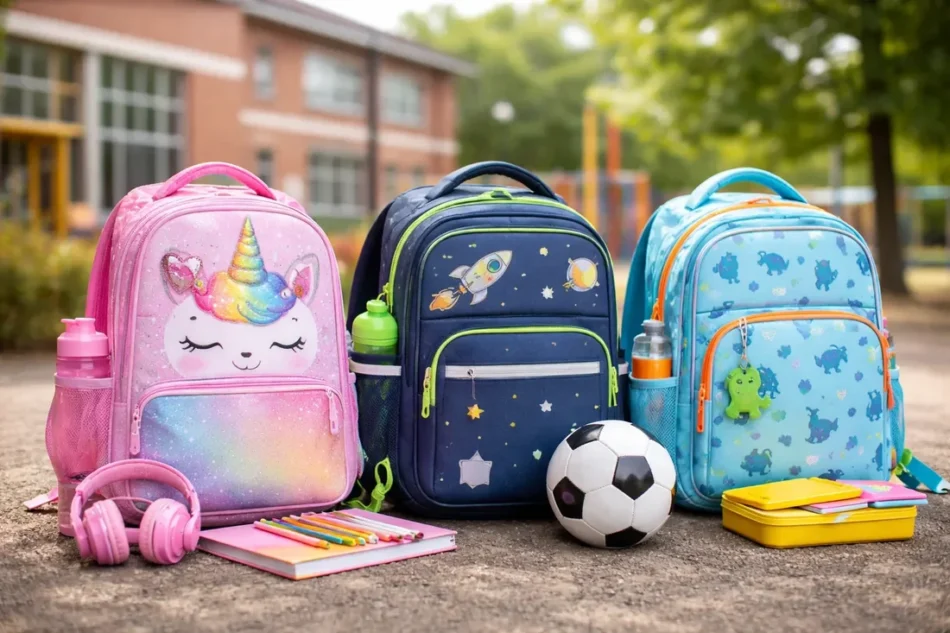
A school bag is an essential part of every child’s daily routine, carrying books, notebooks, stationery, lunch, and other classroom items. However, an overloaded bag can place unnecessary strain on a growing body and make walking to and from school uncomfortable. The right weight depends on factors such as age, body weight, bag design, and how the bag is carried. Understanding safe school bag weight can help parents, teachers, and children develop healthier habits. With properly selected kids school bags and regular checks of unnecessary items, daily school travel can become more comfortable while reducing avoidable pressure on the shoulders, back, and neck.
How Much Weight Is Safe for a School Bag?
A commonly recommended guideline is that a child’s school bag should weigh no more than about 10% of body weight. For example, a child weighing 30 kilograms should generally carry a bag weighing around 3 kilograms or less. Some health professionals allow a slightly higher limit, such as 10–15%, depending on the child’s age and physical development, but a lighter bag is generally preferable. A bag that feels difficult to lift, causes discomfort, or changes posture may already be too heavy, even when the weight falls within a general guideline. Regular weighing can provide a simple way to monitor the load.
Why School Bag Weight Matters
Children’s bodies are still developing, making proper load management particularly important. Carrying excessive weight for long periods can place additional pressure on the shoulders, upper back, and lower back. An overloaded school backpack may also encourage poor posture, especially when a child leans forward to compensate for the extra weight. Discomfort may become more noticeable during longer walks or when stairs are involved. Keeping the school bag light helps support comfortable movement and encourages better carrying habits throughout the school day.
What Should Be Inside a Child’s School Bag?
A school bag should contain only the items required for the day’s activities. Textbooks, exercise books, homework folders, pencil cases, lunch boxes, and water bottles can quickly increase total weight. Unused books, old worksheets, toys, extra stationery, and unnecessary personal items can add several hundred grams without providing any daily benefit. A quick bag check at the end of each school day can remove items that are no longer needed. Organising heavier books closer to the back panel can also improve balance and make the load feel more manageable.
How to Calculate the Correct School Bag Weight
Calculating an appropriate weight is simple. First, check the child’s body weight using a reliable scale. Multiply that figure by 10% to establish a basic target for the school bag. For a child weighing 25 kilograms, a 10% limit would equal 2.5 kilograms. A child weighing 35 kilograms would have a target of approximately 3.5 kilograms. The calculation should include everything carried inside the bag, including books, lunch, stationery, and water. Personal comfort should also be considered because the same weight can feel different depending on the bag’s design and how far the child needs to walk.
Features to Look for in Kids School Bags
The design of kids school bags can make a significant difference in comfort. A suitable backpack should have two wide, padded shoulder straps that can be adjusted to fit the child’s body. A padded back panel can provide additional comfort, while multiple compartments help distribute items more evenly. A chest or waist strap may provide additional support for some children, particularly when carrying a larger load. Lightweight materials are also useful because the bag itself contributes to the total weight. A school backpack should sit comfortably against the back rather than hanging too low below the waist.
How Should a School Bag Be Worn?
A properly fitted bag should rest comfortably against the back with both shoulder straps used at the same time. Carrying a backpack over one shoulder can place uneven pressure on the body and may encourage awkward posture. The straps should be adjusted so the bag sits securely without pulling the shoulders backward or downward. Heavier items should be positioned close to the back, while lighter objects can be placed in outer compartments. The bag should not hang excessively below the waist, as a low position can make the load feel heavier and affect natural walking posture.
Warning Signs of an Overloaded Bag
Certain signs can indicate that a school bag is too heavy or poorly fitted. Frequent shoulder or back discomfort, red marks from shoulder straps, difficulty putting on or removing the backpack, leaning forward while walking, or noticeable changes in posture should not be ignored. Complaints of numbness, tingling, persistent pain, or weakness require additional attention from a qualified healthcare professional. Reducing unnecessary items and adjusting the backpack may solve minor discomfort, but ongoing symptoms should receive appropriate professional assessment.
Practical Ways to Reduce School Bag Weight
Several simple habits can keep a school bag within a reasonable weight range. A daily timetable can help identify which books are actually required. Digital copies of selected materials, where permitted by a school, may reduce the number of heavy textbooks carried each day. Lightweight lunch boxes and water bottles can also reduce total load. Lockers or classroom storage can be useful when available. Parents can check the backpack regularly, while teachers can help by clarifying which materials are needed for each lesson. These small changes can make a noticeable difference over time.
How Parents Can Check Kids School Bags
A weekly school bag check provides an easy opportunity to manage unnecessary weight. Place the fully packed bag on a household scale and compare the result with approximately 10% of the child’s body weight. Remove old papers, duplicate stationery, toys, and books that are not needed for the next school day. Check the shoulder straps and back panel for proper fit at the same time. As children grow, backpack adjustments should be reviewed because a previously suitable setting may no longer provide the right fit.
A Comfortable School Routine Starts With the Right Bag
A healthy school routine involves more than simply selecting a stylish backpack. Appropriate weight, good organisation, proper adjustment, and regular checks all contribute to a more comfortable experience. Kids school bags should be lightweight, appropriately sized, and capable of distributing classroom supplies evenly across the back. Keeping the total load close to 10% of body weight provides a useful starting point, while individual comfort and physical development should also be considered. Small daily habits, such as removing unnecessary books and using both shoulder straps, can help reduce avoidable strain during school travel.
Why Bachaa Party Is a Helpful Choice for School Essentials
Bachaa Party offers a convenient place to explore practical school essentials designed around children’s everyday needs. A suitable range of kids school bags can make it easier to consider factors such as size, compartments, straps, and overall usability when preparing for school. Beyond backpacks, Bachaa Party provides access to various children’s products and school-related essentials, helping simplify routine preparation for the academic year. Selecting age-appropriate, comfortable, and practical items can support a more organised school experience while keeping daily needs manageable. For families preparing children for school, Bachaa Party can serve as a useful destination for exploring essential products in one place.

