 WhatsApp Us Now
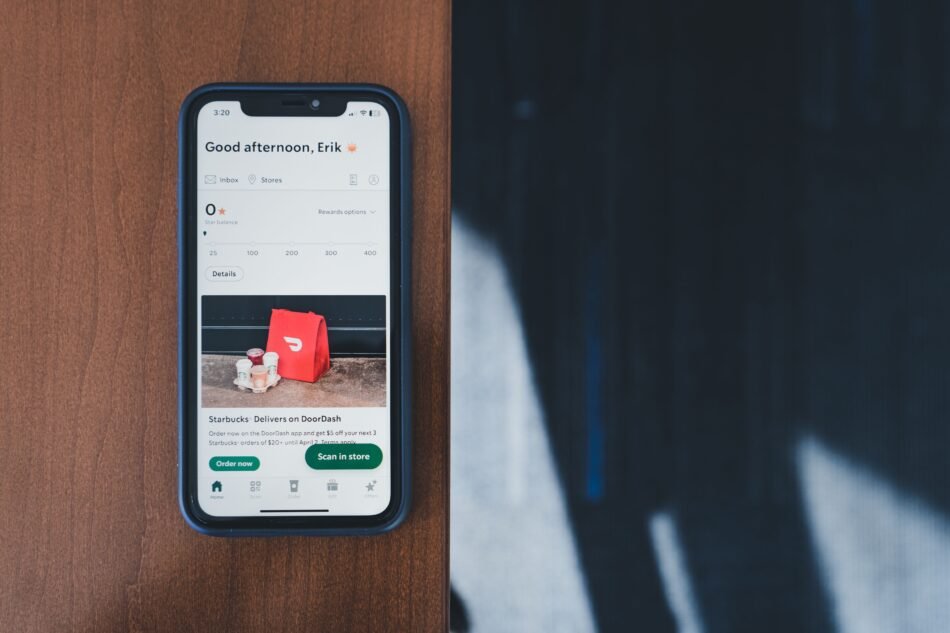
The on-demand delivery economy in the United States hasn’t slowed down — if anything, it’s gotten more competitive. Customers now expect real-time tracking, instant order updates, and flexible delivery windows as a baseline, not a bonus. If you’re an entrepreneur, restaurant owner, logistics company, or startup founder thinking about entering this space, one question comes up before anything else: how much does it cost to build a pickup and delivery app?
The honest answer is — it depends. But “it depends” isn’t useful when you’re trying to plan a budget or pitch investors. So in this guide, we’ll break down real 2026 pricing ranges, the features that move the needle on cost, and how to plan a pickup and delivery app development project without overspending or underbuilding.
Why Pickup & Delivery App Development Costs Vary So Much
A pickup and delivery app isn’t a single product — it’s a connected system made up of multiple applications working together in real time. At minimum, a functional pickup and delivery app development services project includes:
- A customer-facing app — for placing orders, tracking deliveries, and making payments
- A driver/rider app — for accepting jobs, navigating routes, and updating delivery status
- An admin panel — for managing orders, vendors, drivers, and overall operations
Some businesses also need a vendor or merchant dashboard, especially if the platform supports multiple businesses (think grocery stores, pharmacies, or local retailers) rather than a single delivery operation.
Because you’re really building three or four synced applications instead of one, the pickup & delivery app development cost reflects that complexity. This is the biggest reason cost estimates online swing so widely — from lean MVPs to enterprise-grade platforms.
Pickup & Delivery App Development Cost: The 2026 Breakdown
Here’s a realistic look at where pickup and delivery app development costs land in 2026, based on scope and complexity.
1. Basic MVP (Minimum Viable Product)
Estimated Cost: $10,000 – $25,000 Timeline: 6–10 weeks
An MVP is ideal if you want to validate your business model before investing heavily. This typically includes:
- Simple order placement and scheduling
- Basic real-time tracking
- One payment gateway integration
- A lightweight admin panel
- Single-city or single-region operations
This tier is perfect for startups testing a niche delivery model — like a local courier service or a neighborhood-based delivery app — before scaling further.
2. Mid-Level Pickup & Delivery App
Estimated Cost: $25,000 – $60,000 Timeline: 3–5 months
This is where most growing businesses land. A mid-complexity build usually adds:
- Multiple payment options (cards, digital wallets, cash on delivery)
- Driver document verification and onboarding workflows
- In-app chat or messaging between customers and drivers
- Delivery zone management and dynamic pricing
- Push notifications and order status updates
- A more robust admin dashboard with analytics
If you’re building a pickup and delivery app solution meant to operate across several cities or handle a growing driver fleet, this is the realistic budget range to plan around.
3. Advanced / Enterprise-Grade Platform
Estimated Cost: $80,000 – $150,000+ Timeline: 6–9 months
Enterprise-level pickup and delivery app development is built for businesses planning serious scale — multi-vendor marketplaces, franchise models, or logistics companies replacing manual dispatch systems entirely. Expect:
- AI-based route optimization and smart dispatch
- Multi-vendor and multi-warehouse support
- Advanced commission and billing management panels
- CRM integration for customer retention
- Custom reporting and business intelligence tools
- High-availability infrastructure for large-scale operations
At this level, you’re not just building an app — you’re building the operational backbone of a delivery business.
What Actually Drives the Cost Up (or Down)
Instead of guessing where your project will land, it helps to understand the specific factors that shift a pickup & delivery app development cost from one tier to the next.
- Number of panels and dashboards. A basic setup needs a customer app, driver app, and admin panel. Adding a vendor management panel, inventory management panel, commission tracking, or a dedicated CRM panel each adds development time — and cost.
- Real-time tracking and GPS accuracy. Live location tracking, route optimization, and ETA prediction all require ongoing backend work, not just a one-time integration. This is one of the most requested — and most cost-intensive — features in delivery app development.
- Payment gateway complexity. Supporting multiple payment methods (credit cards, Apple Pay, Google Pay, digital wallets, cash on delivery) across different regions adds both development time and compliance overhead.
- AI and automation features. Smart dispatch, demand prediction, and machine-learning-based route optimization typically add 15–25% to a project’s base cost, but they also reduce long-term operational expenses — fewer delayed deliveries, better driver utilization, and lower support costs.
Platform choice. Cross-platform frameworks like Flutter or React Native let you launch on both iOS and Android from a single codebase, which can reduce cost significantly compared to building two separate native apps. Fully native development is usually only worth the extra investment when you need very high-end performance or platform-specific features.
Development team location. This is a big one for USA-based businesses. Developers in the US or Europe typically charge higher hourly rates than offshore teams, which directly affects total project cost — sometimes by a wide margin. Many US companies partner with experienced offshore or nearshore development teams specifically to manage pickup and delivery app development costs without compromising on quality.
Delivery Verticals: How the Business Model Affects Cost
Not all pickup and delivery apps are built the same way, and the industry you’re targeting can shift your feature list — and your budget.
- Food delivery apps tend to need the most real-time functionality: live order tracking, restaurant dashboards, and fast dispatch logic.
- Grocery and pharmacy delivery apps often require inventory management integration, since stock levels change constantly.
- Courier and parcel delivery apps usually prioritize route optimization and proof-of-delivery features (photos, signatures, barcode scanning) over menu-style browsing.
- Laundry, alcohol, and specialty delivery apps often need compliance features — age verification, license checks, or scheduled pickup windows — layered on top of the core delivery flow.
If you already know which vertical you’re building for, it’s worth scoping your feature list around that model early, since it changes which panels and integrations you actually need.
How to Keep Your Delivery App Development Budget Under Control
You don’t need every feature on day one. Here’s how smart businesses manage pickup and delivery app development costs without cutting corners on quality:
- Start with an MVP. Launch with core ordering, tracking, and payment features first. Validate demand before investing in advanced functionality.
- Prioritize features by business impact. Real-time tracking and reliable payments matter more early on than loyalty programs or advanced analytics.
- Choose cross-platform development. Unless you have a specific reason to go fully native, Flutter or React Native will get you to market faster and cheaper.
- Define requirements upfront. Projects that start with clear documentation — a signed scope of work, defined features, and acceptance criteria — consistently finish faster and closer to budget than those that evolve mid-build.
- Plan for post-launch costs. Hosting, maintenance, customer support tooling, and ongoing updates typically add 15–20% of your initial development cost annually. Budget for this from the start, not as an afterthought.
Final Thoughts
There’s no single number that answers “how much does it cost to build a pickup and delivery app” — because the honest answer depends on how big you’re thinking. A single-city MVP might cost as little as $10,000–$15,000, while a full enterprise-grade, multi-vendor platform can run well past $150,000.
What matters most is matching your budget to your actual business goals. If you’re testing a new market, start lean. If you’re replacing a manual delivery operation or scaling across multiple cities, it’s worth investing in a platform built to handle that growth from day one.
If you’re ready to scope your project and get a realistic, feature-based cost estimate for your pickup and delivery app development, working with an experienced development team can save you both time and money — helping you avoid the common trap of underbuilding now and expensively rebuilding later.


