 WhatsApp Us Now

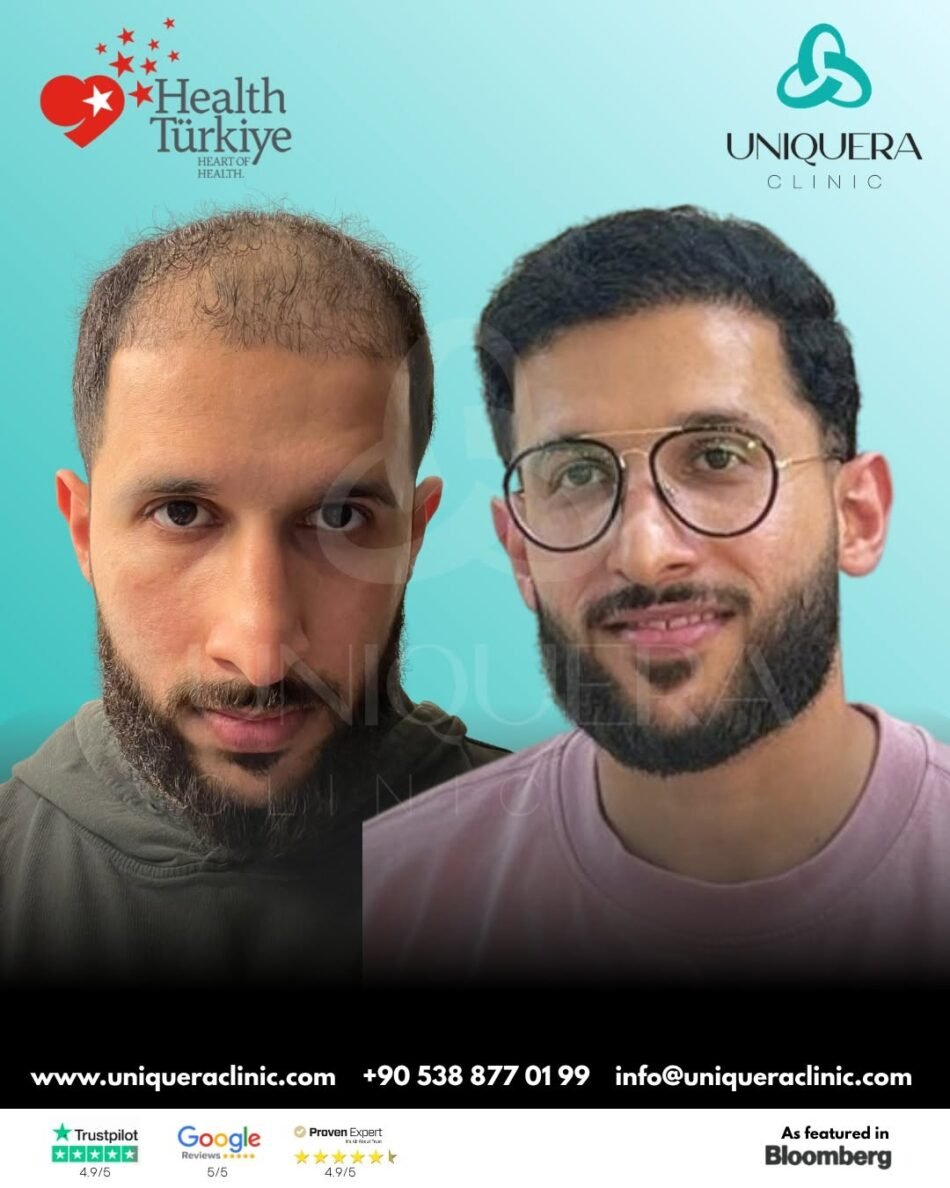
Hair loss can affect confidence and appearance, making it important to choose the right treatment. Whether you are experiencing a receding hairline, thinning hair, or hair loss caused by genetics, modern hair restoration techniques offer effective solutions. Turkey has become a popular destination for hair transplant procedures because of its experienced specialists, advanced techniques, and competitive treatment options.
When researching the best hair transplant in turkey for afro hair, it is important to select a clinic that understands different hair textures and provides personalised treatment plans. UniquEra Clinic focuses on individual hair restoration needs, helping patients explore suitable options based on their hair type, scalp condition, and expectations.
Understanding Hair Transplants for Afro Hair
Afro-textured hair has unique characteristics, including naturally curved hair follicles beneath the scalp. This makes the extraction and implantation process more specialised compared with some other hair types. Choosing an experienced medical team is essential to minimise follicle damage and achieve natural-looking results.
Patients considering a hair transplant should look for specialists who understand the structure of Afro hair and can plan the procedure according to individual follicle characteristics. Factors such as donor area density, hairline design, curl pattern, and scalp condition play an important role in treatment planning.
A personalised consultation helps determine whether a patient is suitable for the procedure and which technique may be most appropriate.
Why Consider Manual Hair Transplant in Turkey?
One of the important techniques available in modern hair restoration is Manual Hair Transplant in Turkey. Manual Follicular Unit Extraction (FUE) involves extracting individual hair follicles using specialised manual instruments.
Unlike automated extraction systems, manual FUE allows the practitioner to control the extraction process directly. This can be particularly useful when working with different hair follicle angles and structures.
Some potential advantages include:
- Individual follicle extraction with careful control.
- Greater attention to the natural direction of hair growth.
- A minimally invasive approach.
- No linear surgical scar associated with traditional strip surgery.
- Personalised extraction and implantation planning.
However, the suitability of manual FUE depends on the patient’s hair characteristics, donor area, and the medical team’s expertise. A consultation is necessary to determine the most appropriate approach.
How to Find the Best Clinic for Hair Transplant in Turkey
Choosing the best clinic for hair transplant in turkey requires more than comparing prices or promotional packages. Hair transplantation is a medical procedure, and the quality of planning, clinical expertise, and aftercare can influence the overall experience and outcome.
Before selecting a clinic, consider the following factors:
1. Medical Experience: Check the qualifications and experience of the medical professionals involved in the procedure.
2. Personalised Treatment Plans: Every patient has different hair loss patterns, donor capacity, and restoration goals. A reliable clinic should recommend treatment based on individual needs.
3. Transparent Information: Understand the procedure, expected recovery period, possible risks, and realistic results before making a decision.
4. Patient Reviews: Read genuine patient experiences and look for consistent feedback about communication, treatment, and aftercare.
5. Post-Procedure Support: Proper aftercare guidance is important for recovery and long-term hair health.
UniquEra Clinic provides hair restoration services with an emphasis on personalised consultations and treatment planning.
Exploring Direct Hair Implantation in Turkey
Another technique patients may consider is direct hair implantation turkey, commonly known as DHI. This method uses a specialised implantation pen to place extracted hair follicles directly into the recipient area.
DHI allows the practitioner to control the placement angle, direction, and depth of implanted follicles. This can help create a natural-looking hairline when performed by an experienced medical team.
The technique may be considered for patients looking to restore hair density in specific areas. However, DHI is not automatically better than FUE for every patient. The most suitable technique depends on the individual’s hair loss pattern, donor area, and treatment objectives.
During a consultation, specialists can explain the differences between available techniques and recommend an appropriate approach.
Hair Treatment Options for Thinning Hair
Not everyone experiencing hair loss requires a transplant. Patients with diffuse thinning may benefit from a detailed scalp assessment before deciding on surgery.
Exploring hair treatment for thinning hair can help patients understand the available options for addressing reduced hair density.
Diffuse thinning can occur due to several factors, including genetics, hormonal changes, nutritional deficiencies, and certain medical conditions. Identifying the underlying cause is an important first step.
Depending on the diagnosis, treatment may involve medical management, supportive hair therapies, or a carefully planned hair transplant. Patients should receive an individual assessment to determine whether transplantation is suitable.
What to Expect During the Hair Transplant Journey
The hair transplant process generally begins with a consultation and evaluation of the scalp and donor area. Once suitability is established, the medical team develops a personalised treatment plan.
On the procedure day, the selected follicles are extracted and implanted using the chosen technique. Patients usually receive instructions covering washing, sleeping positions, activity restrictions, and scalp care during recovery.
Initial shedding of transplanted hair can occur during the early recovery period. This is commonly known as shock loss and does not necessarily indicate treatment failure. New hair growth develops gradually, with visible improvements often taking several months and final results commonly assessed around 12 months or longer.
Following professional aftercare instructions is essential throughout the recovery process.
Conclusion
Choosing the right hair transplant clinic and technique is an important step towards achieving natural-looking hair restoration. Whether you are exploring Afro hair transplantation, manual FUE, DHI, or treatment options for thinning hair, personalised medical advice should guide your decision.
UniquEra Clinic offers hair restoration solutions designed around individual patient requirements. By understanding your hair type, evaluating your donor area, and discussing realistic expectations with experienced professionals, you can make a more informed decision about your hair restoration journey.


