 WhatsApp Us Now

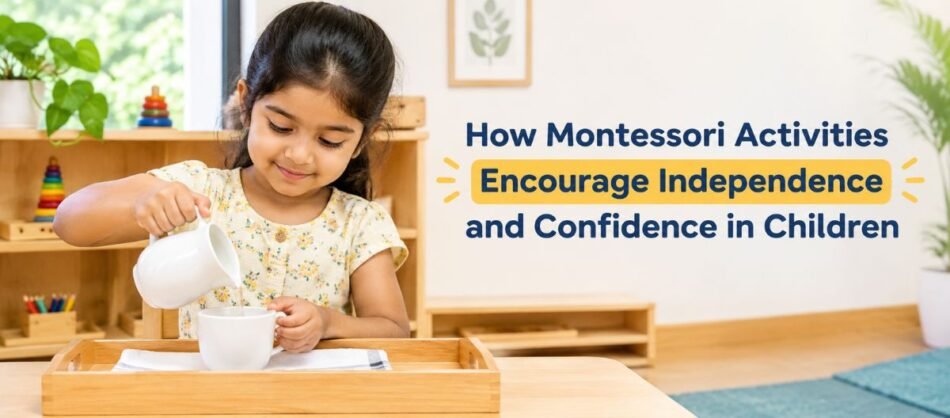
Every child learns at a different pace, and providing the right environment can help them discover their abilities with confidence. Many parents exploring Montessori Schools in Chennai are interested in an educational approach that encourages children to think independently, make choices, and learn through hands-on experiences. Montessori education focuses on practical activities that allow children to explore their surroundings, solve simple problems, and develop everyday skills. Instead of depending on adults for every small task, children gradually learn to trust themselves, take responsibility, and enjoy the satisfaction of accomplishing something on their own.
Understanding the Montessori Approach
Montessori education is based on the idea that children learn effectively when they can actively participate in their own learning. Rather than simply listening to instructions, they work with specially designed materials, explore different activities, and repeat tasks until they feel comfortable with them.
Teachers prepare an organised, child-friendly classroom where materials are accessible and activities suit different stages of development. Children are encouraged to choose meaningful tasks, work at their own pace, and learn from their experiences.
This approach does not mean leaving children without guidance. Teachers observe their progress, introduce activities when appropriate, and offer support whenever necessary. The balance between freedom and guidance helps children develop independence while feeling secure and supported.
Practical Life Activities Build Everyday Independence
Practical life activities are an important part of Montessori learning. These tasks introduce children to everyday responsibilities in a simple and engaging way.
Activities such as pouring water, arranging classroom materials, buttoning clothes, wiping a table, and putting toys away help children practice useful skills. Although these tasks may appear ordinary, they require concentration, coordination, and patience.
For example, when a child learns to pour water from a small jug into a glass, the activity encourages careful movement and attention. Spills may happen initially, but repeated practice helps the child improve.
As children begin completing these tasks independently, they develop a sense of responsibility. They also realist that they can contribute to their environment, which strengthens their confidence in everyday situations.
Hands-On Learning Encourages Decision-Making
Montessori classrooms provide children with opportunities to make simple choices throughout the day. They may select a puzzle, arrange counting materials, work with shapes, or explore a language activity according to their interests and readiness.
Making these decisions allows children to understand their preferences and take ownership of their learning. Instead of always waiting for an adult to tell them what to do, they learn to identify an activity and begin working on it.
Hands-on materials also encourage children to experiment and discover solutions. When a puzzle piece does not fit, for instance, a child can try another position rather than immediately asking the teacher for help.
These experiences teach children that mistakes are a natural part of learning. Over time, they become more willing to explore unfamiliar tasks, think creatively, and approach challenges with a positive attitude.
Repetition Develops Concentration and Self-Belief
Young children often enjoy repeating an activity several times. In Montessori education, repetition is viewed as a valuable part of the learning process because it allows children to practice skills and gradually improve their performance.
A child might arrange colored beads repeatedly, trace sandpaper letters, or build a tower using blocks. With every attempt, the child becomes more familiar with the task and learns to notice small differences.
When children recognised their own progress, they experience a genuine sense of achievement. They begin to understand that effort and practice can help them overcome difficulties.
This confidence is especially valuable when children encounter new challenges. Rather than giving up immediately, they may feel more comfortable trying again, knowing that improvement takes time.
A Supportive Environment Makes Children Feel Secure
Independence develops more naturally when children feel safe enough to explore. Montessori teachers support this process by offering encouragement without taking over every activity.
Instead of completing a task for a child, a teacher might demonstrate the steps slowly and allow the child to practice. If the child struggles, the teacher can provide a small hint or adjust the activity to make it more manageable.
This approach respects the child’s abilities while acknowledging that learning sometimes requires assistance. Children understand that asking for help is acceptable, but they also discover that they can attempt many things themselves.
A respectful classroom environment can also encourage children to express their thoughts, communicate their needs, and interact positively with classmates. These experiences support emotional confidence alongside academic development.
Social Activities Strengthen Communication Skills
Although Montessori learning often involves individual work, opportunities for social interaction are equally important. Group activities, shared classroom responsibilities, and collaborative projects help children learn how to communicate and cooperate.
For example, children working together to organise books or complete a group project can practice taking turns, listening to others, and respecting different ideas. They also learn how to handle small disagreements with guidance from their teachers.
These experiences help children become more comfortable expressing themselves in social situations. Gradually, they learn to participate in group discussions, build friendships, and appreciate the contributions of others.
Social confidence develops through these everyday interactions rather than through pressure to speak or perform before they are ready.
How Parents Can Encourage Independence at Home
Parents can reinforce Montessori principles by giving children opportunities to participate in daily routines. Simple activities at home can make a meaningful difference when introduced patiently and consistently.
Consider these practical ideas:
- Encourage self-care: Allow children to practice washing their hands, choosing clothes, and putting on shoes according to their abilities.
- Offer simple choices: Let children choose between two suitable outfits, books, or activities.
- Involve them in household tasks: Invite them to arrange toys, place napkins on the table, or help sort laundry.
- Allow time for practice: Avoid rushing to complete every task when a child needs extra time.
- Appreciate effort: Recognised persistence and progress instead of focusing only on perfect results.
Parents should also remember that children develop at different rates. Patience, realistic expectations, and consistent encouragement help them build independence without feeling pressured.
Conclusion
Montessori activities help children develop independence and confidence by giving them meaningful opportunities to make choices, practice everyday skills, solve problems, and learn from mistakes. From pouring water to completing puzzles and cooperating with classmates, each activity can support a child’s growing sense of responsibility and self-belief. With patient guidance from teachers and encouragement from parents, children can become more capable, curious, and comfortable exploring new experiences. For families seeking an environment that nurtures these qualities through hands-on learning and individual attention, Montessori Schools in Velachery can be one option to explore when choosing an educational setting that supports a child’s overall development.


