 WhatsApp Us Now
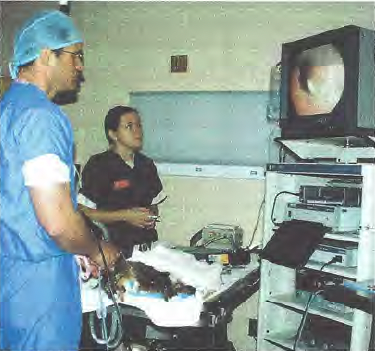
One of the key tools enabling these advanced procedures is the Laparoscopic Scopes system. These scopes allow veterinarians to perform surgeries with far…….
Minimally invasive surgical techniques have become increasingly important in veterinary medicine, offering safer and faster recovery options for animal patients. One of the key tools enabling these advanced procedures is the Laparoscopic Scopes system. These scopes allow veterinarians to perform surgeries with far greater precision and less physical trauma to animals compared to traditional open surgery methods.
What Are Laparoscopic Scopes?
Laparoscopic scopes are specialized optical instruments designed to provide high-definition visual access inside an animal’s body through small incisions. The system consists of a long, thin shaft with advanced rod lens technology and a high-resolution camera system that projects full-screen HD images onto a monitor. This enables the veterinarian to see detailed anatomical structures clearly without the need for large surgical openings.
A typical veterinary laparoscopic scope includes features such as:
- A 60° field of view combined with 30X magnification provides a detailed visualization of internal tissues.
- A 7-inch shaft with a 4.75mm end diameter, allowing easy insertion through small incisions, reducing recovery time for animals.
- A dual luer fitting that enables continuous lavage, helping maintain a clear field of view during procedures.
- Multiple lengths and angles are available to adapt to different types of surgeries and animal species.
- Flexible 1.8mm instruments designed specifically for debris removal and minor manipulations during surgery.
Choosing the Right Laparoscopic Scope for Your Clinic
When selecting a laparoscopic scope for veterinary use, it is important to consider the following factors:
- Animal Size and Type of Surgery: Smaller animals or delicate procedures may require scopes with a thinner shaft and higher magnification, while larger animals may need longer scopes for deeper access.
- Field of View and Magnification: A 60° field of view with 30X magnification provides the best balance between a broad overview and detailed visuals for precise work.
- Ease of Cleaning and Sterilization: Look for scopes cleared for autoclave sterilization to maintain hygiene standards without adding extra steps or complexity to the clinic’s workflow.
- Instrument Compatibility: A dual luer fitting that supports continuous lavage and flexible instrument access improves versatility and safety during complex surgeries.
Conclusion
The use of Laparoscopic Scopes in veterinary surgery marks a significant advancement in animal healthcare. These scopes offer enhanced visualization, allow minimally invasive procedures, and support efficient debris removal, all of which improve surgical accuracy and reduce recovery time for animal patients.
For any veterinary clinic committed to providing high-quality surgical care, investing in laparoscopic scopes ensures better outcomes for animals while improving workflow efficiency for veterinarians.


