 WhatsApp Us Now
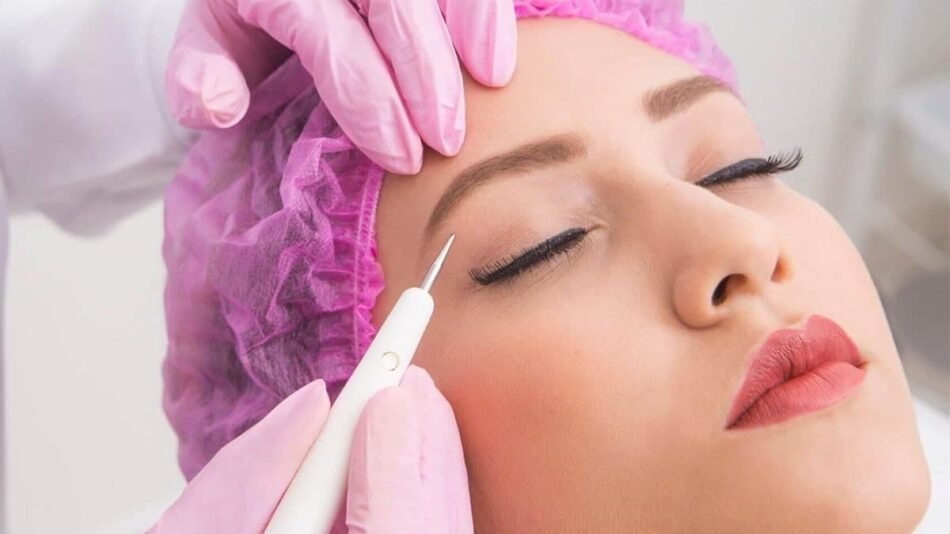
Plasma Pen Treatment is a non-surgical cosmetic procedure that uses controlled plasma energy to create small thermal points on the skin. These points may stimulate the skin’s natural healing response and support collagen production, which can improve the appearance of mild skin laxity, fine lines, and uneven texture. People considering علاج قلم البلازما في دبي should consult a qualified dermatologist or trained medical professional before treatment. A professional assessment helps determine whether the procedure is suitable and which treatment settings may be appropriate.
Initial Consultation:
The process usually begins with a consultation. The healthcare professional examines the skin and discusses the patient’s concerns, treatment goals, medical history, allergies, previous cosmetic procedures, and current skincare products.
The professional may assess:
- Skin thickness and sensitivity
- Degree of skin laxity
- Fine lines and wrinkles
- Skin tone and pigmentation risk
- Existing skin conditions
- Previous reactions to cosmetic procedures
- Current medicines and supplements
- Expected recovery time
This assessment helps determine whether Plasma Pen Treatment is appropriate or whether another procedure may provide a more suitable option.
Selecting The Treatment Area:
Plasma Pen Treatment may be considered for selected areas such as the forehead, eyelids, crow’s feet, cheeks, jawline, neck, or certain body areas. The treatment area depends on the patient’s concern and the professional’s experience with the device.
The skin should be free from active infection, open wounds, significant inflammation, or unexplained irritation. Extra care is required around the eyes because the eyelid skin is thin and sensitive.
The professional should explain which areas will be treated and what degree of improvement may realistically be expected.
Preparing The Skin:
Before treatment, the skin is cleansed to remove makeup, oil, dirt, and skincare products. The area is then examined again to ensure that it is suitable for the procedure.
A topical numbing cream may be applied when appropriate to reduce discomfort. The product should be selected and used according to professional guidance, especially when treating areas near the eyes.
The skin may be allowed to become fully numb before the procedure begins. Patients should inform the professional if they experience burning, itching, or another reaction to the numbing product.
How Does The Plasma Pen Work?
The Plasma Pen device generates a controlled plasma arc between the tip of the device and the skin’s surface. This creates small points of thermal energy without the need for traditional surgical cutting.
The professional moves the device across the selected area according to the treatment plan. The spacing, number of points, and energy level depend on the skin condition, treatment area, and device instructions.
The thermal points may trigger a controlled healing response. During this process, the skin may produce new collagen and gradually improve its appearance. Results develop over time rather than appearing immediately.
What Does The Patient Feel During Treatment?
Patients may feel warmth, tingling, pressure, or brief stinging during the procedure. The level of discomfort varies according to skin sensitivity, treatment area, energy settings, and the use of numbing cream.
The professional should monitor the patient’s comfort and the condition of the skin throughout treatment. Excessive burning or severe pain should not be ignored.
Patients should communicate immediately if they experience unusual discomfort, intense heat, or any reaction during the procedure.
What Happens Immediately After Treatment?
After the procedure, the professional checks the treated area for redness, swelling, or other reactions. Small dark points or tiny crusts may be visible where the plasma energy was applied.
A soothing or barrier-supporting product may be recommended to help protect the skin during recovery. The professional may also provide instructions about cleansing, moisturising, sunscreen, makeup, and the temporary use of active skincare products.
Patients should not pick, scratch, or remove the small crusts. Allowing the skin to heal naturally may reduce the risk of scarring and pigmentation changes.
How Long Does The Procedure Take?
The duration depends on the size of the treatment area and the number of areas being treated. A small area may take less time than a larger area or several facial areas.
The complete appointment may also include consultation, skin preparation, numbing, treatment, and aftercare instructions. Patients should ask the provider how much time they should set aside before booking.
What Is The Recovery Like?
Plasma Pen Treatment may involve visible downtime even though it is not traditional surgery. Common temporary effects include:
- Redness
- Swelling
- Dryness
- Sensitivity
- Small crusts
- Tightness
- Mild discomfort
The recovery period varies according to treatment intensity, skin type, treatment area, and individual healing response. Patients may need to avoid direct sunlight, excessive heat, harsh skincare products, and rubbing the treated area.
The professional may advise temporarily avoiding retinoids, strong exfoliating acids, abrasive scrubs, and fragranced products. Sunscreen should be used according to the aftercare instructions.
What Results Can Be Expected?
Plasma Pen Treatment may improve the appearance of mild skin laxity, fine lines, and uneven texture. The skin may appear smoother or tighter as healing progresses and collagen production develops.
Results are not guaranteed and may vary between patients. The treatment cannot remove substantial excess skin or provide the same tissue repositioning as a surgical facelift.
Some patients may require more than one session, but additional treatment should only be considered after the skin has recovered and the professional has assessed the response.
What Are The Possible Risks?
Although Plasma Pen Treatment is non-surgical, it can cause complications if performed incorrectly or on unsuitable skin. Possible risks include:
- Infection
- Burns
- Prolonged redness
- Swelling
- Pigmentation changes
- Scarring
- Delayed healing
- Uneven skin texture
People with darker skin tones or a history of post-inflammatory pigmentation may require additional caution. Patients should disclose any skin conditions, allergies, medicines, and previous cosmetic treatment reactions before the procedure.
Frequently Asked Questions:
Is Plasma Pen Treatment painful?
Patients may feel warmth, tingling, or brief stinging. A topical numbing cream may be used when appropriate.
Does Plasma Pen Treatment involve needles?
The procedure generally uses a handheld plasma device rather than traditional injection needles.
How long does Plasma Pen Treatment take?
The duration depends on the treatment area, number of areas, and preparation required.
Is there downtime after Plasma Pen Treatment?
Yes. Redness, swelling, dryness, sensitivity, and small crusts may occur during recovery.
Can Plasma Pen Treatment be repeated?
A further session may be considered after the skin has healed and the professional has assessed the results. Treatment should not be repeated too soon.
Conclusion:
Plasma Pen Treatment is performed by preparing the skin, applying controlled plasma energy to the selected area, and providing aftercare to support healing. The device creates small thermal points that may stimulate collagen production and improve mild laxity, fine lines, or uneven texture. Although the procedure is non-surgical, it can cause redness, swelling, crusting, pigmentation changes, or scarring. A qualified professional should assess the skin, explain realistic expectations, and provide appropriate aftercare before treatment.


