 WhatsApp Us Now
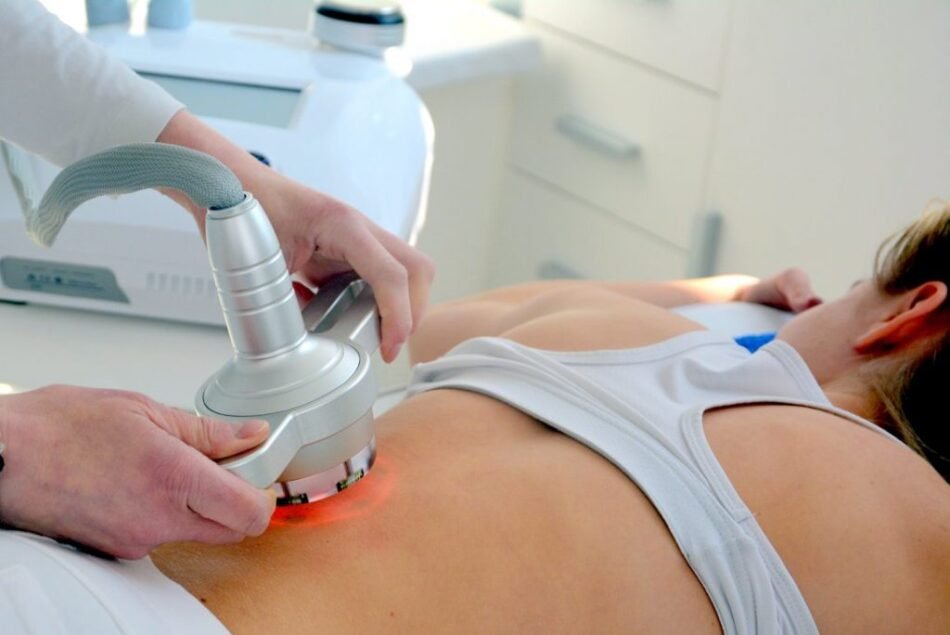
A defined waistline is often an important part of overall body contouring goals, particularly for people who want their natural proportions to appear more balanced. When considering options for addressing localized areas of stubborn fat, Laser Liposuction Dubai may be one term people encounter while researching modern body contouring choices. Liposuction is generally associated with reshaping specific areas rather than serving as a general weight-management approach. Understanding its role can help individuals develop realistic expectations about waistline contouring and determine whether this type of aesthetic treatment aligns with their personal goals.
What Does Waistline Contouring Mean?
Waistline contouring focuses on the visual proportions around the middle section of the body. Rather than concentrating exclusively on body weight, contouring considers how different areas relate to one another.
A waistline may appear less defined because of naturally distributed fat around the abdomen, flanks, or sides of the torso. Genetics, body structure, age, lifestyle, and changes in body composition can all influence personal shape. For some individuals, the goal is not substantial weight reduction but a more proportionate appearance around the waist.
Can Liposuction Be Considered for Waistline Goals?
Liposuction can be relevant when the primary concern involves localized fat deposits that affect the appearance of the waist.
- Creating a more visually defined waist.
- Addressing fullness around the sides of the torso.
- Improving overall body proportions.
- Supporting a smoother body silhouette.
- Refining areas that appear disproportionate to the surrounding figure.
Is Liposuction a Weight-Loss Treatment?
Liposuction should not be viewed as a substitute for weight management. Its role is generally associated with localized contouring rather than treating excess body weight as a whole.
Someone who is primarily seeking significant weight reduction may have different needs from an individual who is already close to their preferred body composition but remains concerned about particular areas around the waist. This distinction is important because body contouring and weight loss are separate aesthetic objectives.
What Areas Relate to Waistline Definition?
The appearance of the waist is influenced by several nearby areas. Focusing on the overall contour can provide a more complete understanding of a person’s aesthetic goal.
- Abdomen
- Flanks or sides
- Lower waist
- Upper hip area
- Transition between the waist and torso
These areas can influence how narrow, straight, curved, or balanced the waistline appears. Personal anatomy also plays a major role.
Who May Consider Liposuction for Contouring?
Liposuction may be considered by adults who have specific concerns about localized fat and want to explore body-contouring options. The most appropriate candidates are generally those who understand that contouring is different from weight reduction.
Healthy lifestyle habits can also remain important when thinking about body shape. Nutrition, physical activity, and maintaining a relatively stable body composition may form part of an individual’s broader approach to aesthetic goals.
What Should Be Considered Before Choosing Liposuction?
Several personal factors can influence whether liposuction fits a person’s waistline goals. These considerations are more meaningful than focusing solely on the desire for a smaller waist.
- Natural body proportions and skeletal structure.
- The location and amount of localized fat.
- Overall body composition.
- Skin characteristics and elasticity.
- Personal aesthetic preferences.
- Existing health considerations.
Why Are Proportions Important in Waist Contouring?
A visually defined waist does not depend on one measurement alone. The relationship between the waist, abdomen, hips, and torso contributes to overall body harmony. For example, a person with a naturally broad ribcage may have a different waist profile from someone with a narrower torso.
Because of these differences, successful contouring goals should be personalized rather than based on a universal ideal. The objective can be to enhance an individual’s existing proportions instead of attempting to create an entirely different body shape.
Can Lifestyle Habits Support Contouring Goals?
Lifestyle habits remain relevant when considering any body-contouring objective. Regular physical activity and balanced nutrition can support general body composition and help individuals maintain their preferred physique.
However, lifestyle choices do not necessarily determine where the body naturally stores fat. Some localized areas can remain noticeable even when a person follows consistent healthy habits. This is one reason why people sometimes explore aesthetic contouring options when their primary concern involves body shape rather than overall weight.
Final Thoughts
Liposuction can be relevant to waistline contouring goals when the concern involves localized fat and the desired objective is improved body proportion rather than general weight loss. The concept of waistline definition should always account for individual anatomy, natural proportions, body composition, and personal preferences. Ultimately, the most suitable aesthetic goal is one that complements the individual’s natural figure rather than being based on a fixed definition of the perfect waistline.


