 WhatsApp Us Now
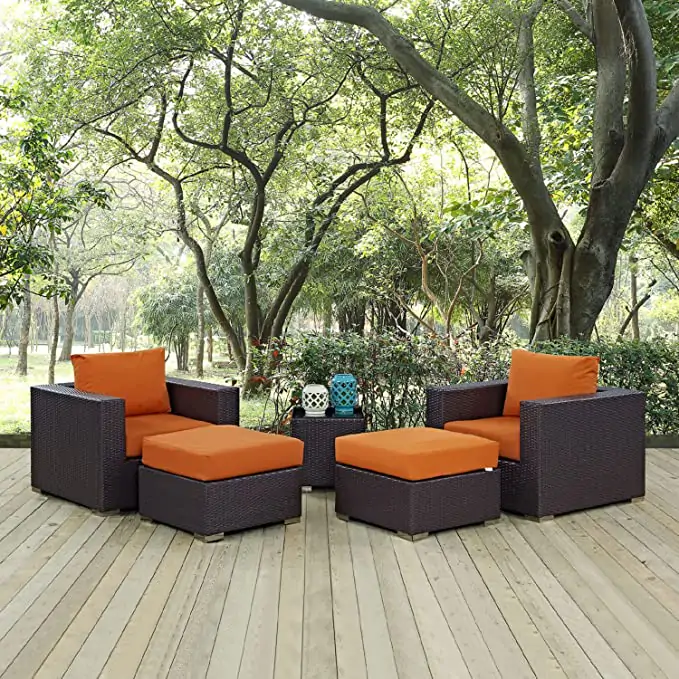
Outdoor furniture is designed to withstand changing weather conditions, but prolonged moisture exposure can create an ideal environment for mold and mildew. Rain, humidity, poor ventilation, wet cushions, and accumulated dirt can allow fungal growth to develop on chairs, tables, sofas, loungers, and other outdoor pieces. Beyond affecting appearance, mold and mildew can leave unpleasant odors and gradually damage certain materials if left untreated.
Fortunately, regular cleaning, proper drying, good ventilation, and suitable storage can significantly reduce the risk. Whether your furniture is placed on a balcony, patio, terrace, garden, or other open area, a consistent maintenance routine can help keep it cleaner and in better condition.
Why Does Mold and Mildew Grow on Outdoor Furniture?
Mold and mildew generally thrive in damp, warm, and poorly ventilated conditions. Outdoor furniture can remain wet after rainfall, especially when it is positioned under trees, against walls, or in shaded areas where moisture evaporates slowly.
Dust, leaves, pollen, food particles, and other organic debris can also accumulate on surfaces. When these materials remain damp, they can encourage fungal growth.
Cushions and fabric covers are particularly vulnerable because they can absorb water and take longer to dry. Furniture made from materials with textured or porous surfaces may also require more frequent cleaning to prevent moisture and dirt from accumulating.
1. Keep Furniture Dry
The simplest way to prevent mold and mildew is to minimize prolonged moisture exposure. After rainfall, allow wet furniture to dry completely before covering or storing it.
If cushions become soaked, place them in a well-ventilated area where they can dry thoroughly. Avoid stacking wet cushions because trapped moisture can encourage mold growth.
During extended rainy periods, move portable pieces to a covered location whenever possible. Good airflow around the furniture can also help moisture evaporate faster.
2. Clean Outdoor Furniture Regularly
Regular cleaning removes dirt and organic debris that can contribute to mold and mildew growth. Depending on the material, use a soft brush or cloth with mild soap and water.
Pay attention to corners, joints, undersides, grooves, and textured surfaces where dirt and moisture can collect. Rinse away soap residue and allow the furniture to dry completely.
Avoid using harsh cleaning chemicals unless the manufacturer specifically recommends them. Strong products may damage finishes, fabrics, coatings, or protective treatments.
3. Clean and Dry Cushions Properly
Outdoor cushions require special attention because fabric and internal filling can retain moisture. Remove cushions from furniture after heavy rain whenever practical and place them somewhere with good airflow.
Check the care instructions before washing cushion covers. Some covers can be machine washed, while others require spot cleaning. Never store cushions while they are still damp.
If you notice a musty smell, inspect the cushion seams and underside carefully. Early cleaning can help prevent a small moisture problem from becoming widespread fungal growth.
4. Improve Air Circulation
Poor airflow can keep surfaces damp for longer periods. Avoid placing furniture tightly against walls or crowding several pieces together.
On balconies and covered patios, leave enough space between furniture pieces for air to circulate. Periodically rearranging furniture can also expose shaded areas to better airflow and sunlight.
If furniture remains in a consistently damp location, improving ventilation can be one of the most effective preventive measures.
5. Use Furniture Covers Correctly
Protective covers can help shield outdoor furniture from rain, dust, and debris, but they should not trap moisture underneath. Choose covers designed for outdoor use and, where appropriate, use breathable materials. Never cover wet furniture immediately after rainfall. Allow it to dry first, then put the cover on securely.
Check underneath covers regularly. If condensation develops, remove the cover temporarily and allow both the furniture and cover to dry completely.
6. Remove Mold and Mildew Early
If you notice small patches of mold or mildew, clean them promptly rather than allowing them to spread. Start by checking the manufacturer’s cleaning instructions for your particular furniture material.
For many washable, non-porous surfaces, mild soap and water can be sufficient for routine cleaning. Use appropriate protective gloves while cleaning visible mold and avoid disturbing it unnecessarily.
Fabric, unfinished wood, and other sensitive materials may require specific cleaning methods. If the growth is extensive or the material has been significantly affected, professional cleaning may be appropriate.
7. Store Furniture Properly During Long Rainy Periods
If you have portable outdoor furniture, consider moving it into a dry, ventilated storage area during prolonged periods of rain or when it will not be used for an extended period.
Before storage, clean every piece and make sure it is completely dry. Do not store damp cushions, covers, or furniture in sealed spaces because trapped moisture can encourage mold growth. For larger pieces that cannot be moved indoors, use suitable protective covers and position them where water can drain away easily.
8. Prevent Water From Collecting
Standing water is another common cause of prolonged moisture exposure. Check furniture surfaces after rain and remove pooled water where necessary.
For tables and chairs, make sure water can drain away rather than remaining in recessed areas. Keep the surrounding floor free of leaves and debris so that water does not remain around the furniture.
Proper placement can make a significant difference. Avoid positioning furniture directly in areas where rainwater consistently collects.
How Often Should You Clean Outdoor Furniture?
The ideal cleaning schedule depends on weather, humidity, usage, and the location of your furniture. During rainy or humid periods, inspect furniture more frequently for moisture, stains, and early signs of fungal growth.
A basic cleaning every few weeks can help remove accumulated dirt, while cushions may need attention whenever they become wet or visibly dirty. Furniture exposed to trees, dust, or frequent rainfall may require more frequent maintenance.
Final Thoughts
Preventing mold and mildew is mainly about controlling moisture and maintaining cleanliness. Keep furniture dry, clean surfaces regularly, allow cushions to air out, improve ventilation, use covers correctly, and avoid storing damp pieces.
With consistent care, your outdoor furniture can remain cleaner and more comfortable while reducing the chances of persistent mold and mildew problems.
FAQs
1. How can I remove mold from outdoor furniture?
Start by checking the manufacturer’s cleaning instructions. For suitable washable surfaces, clean the affected area with mild soap and water, rinse thoroughly, and allow the furniture to dry completely. Sensitive materials may require specialized cleaning.
2. Why does my outdoor furniture keep getting mildew?
Repeated mildew growth is usually linked to persistent moisture, humidity, poor airflow, or insufficient drying. Furniture kept under covers without adequate ventilation can also develop mildew due to trapped condensation.
3. Should I cover outdoor furniture when it rains?
Yes, suitable protective covers can help, but the furniture should be dry before covering it. Use breathable covers where appropriate and periodically remove them to check for condensation and allow proper ventilation.
4. How do I prevent mold on outdoor cushions?
Remove cushions from rain when possible, allow them to dry completely, and avoid stacking or storing them while damp. Clean them according to their care instructions and provide adequate airflow around them.
5. Can sunlight help prevent mold and mildew?
Sunlight and good airflow can help surfaces dry more quickly, reducing the prolonged moisture that encourages fungal growth. However, furniture should still be cleaned regularly and protected according to the manufacturer’s recommendations.
6. How often should outdoor furniture be cleaned to prevent mold?
Inspect it regularly and clean it whenever dirt, leaves, stains, or moisture accumulate. During rainy and humid periods, more frequent cleaning and drying may be necessary to reduce the risk of mold and mildew.


