 WhatsApp Us Now
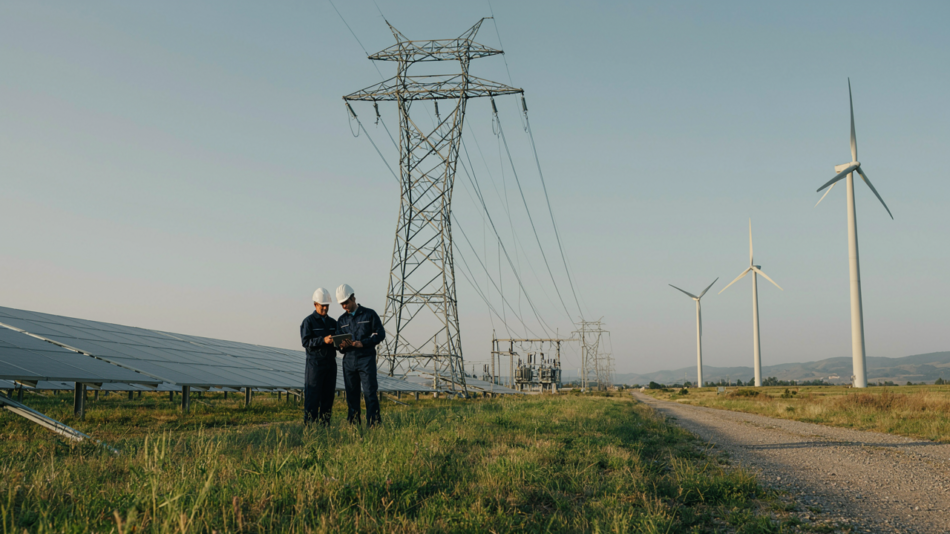
Substations are a critical part of modern electrical infrastructure. They connect generation, transmission, and distribution networks while transforming voltage levels and providing the protection and control needed to keep power systems operating safely. Because even a small design issue can affect reliability, safety, and long-term operating costs, careful engineering is essential from the earliest planning stages.
A well-developed substation design guide should consider far more than equipment placement. Site conditions, electrical performance, protection requirements, grounding, safety, maintainability, and future expansion all need to work together. Professional substation engineering services help utilities, developers, and industrial organizations create facilities that can perform reliably throughout their operational life.
1. Start With Electrical System Requirements
The first step in substation design engineering is understanding the electrical requirements of the project. Engineers need to evaluate the existing network as well as expected future operating conditions.
Important considerations include voltage levels, transformer capacity, load requirements, fault levels, power flow, system stability, and the required reliability level. Studies such as load flow analysis and short-circuit analysis can help determine equipment ratings and identify potential system limitations.
The design should also account for normal, contingency, and emergency operating conditions. For example, if one transformer, transmission line, or major piece of equipment becomes unavailable, the substation may need to continue supplying critical loads.
Defining these requirements early helps prevent costly redesigns and ensures that equipment is selected according to actual system needs rather than assumptions.
2. Choose the Right Substation Layout and Equipment
Substation layout directly affects safety, accessibility, maintenance, and future flexibility. Equipment must be positioned with appropriate electrical clearances while providing sufficient space for inspection, repairs, and safe movement of personnel.
Major equipment may include power transformers, circuit breakers, disconnect switches, instrument transformers, surge arresters, busbars, capacitor banks, reactors, and protection and control systems.
The choice between configurations such as air-insulated switchgear and gas-insulated switchgear depends on factors including available land, environmental conditions, voltage level, project requirements, and cost.
A good layout also considers cable routing, control buildings, access roads, drainage, fire protection, and equipment foundations. Taking these elements into account as part of the initial design creates a more practical and maintainable facility.
3. Prioritize Protection, Control, and Automation
Protection systems are fundamental to substation reliability. Their purpose is to detect abnormal conditions and isolate faults quickly before they cause extensive equipment damage or widespread service interruptions.
Protection and control design typically includes protective relays, circuit breaker control, communication systems, transformer protection, bus protection, and associated monitoring equipment. Relay settings should be coordinated so that the device closest to a fault operates first whenever practical, while maintaining adequate backup protection.
Modern substations increasingly use digital technologies and automated control systems. Supervisory control and data acquisition (SCADA), intelligent electronic devices, communication networks, and digital protection can provide operators with better visibility and faster response.
During substation design engineering, these systems should be designed as an integrated architecture rather than as isolated components. Proper communication, redundancy, cybersecurity considerations, and testing procedures can improve operational confidence and system resilience.
4. Design a Safe and Effective Grounding System
Grounding is one of the most important safety considerations in a substation. A properly engineered grounding system helps control dangerous touch and step voltages while providing suitable paths for fault current.
Engineers typically evaluate soil resistivity, fault current magnitude, fault duration, grid geometry, and equipment connections when developing the grounding system. The design should address grounding conductors, ground rods, equipment bonding, fences, structures, transformers, and other conductive components.
Poor grounding design can create serious safety risks even when other parts of the substation are correctly engineered. For this reason, grounding analysis should be based on project-specific conditions rather than generic assumptions.
The final grounding system should also be verified through appropriate calculations and, where required, field testing. This ensures that the installed system performs as intended under fault conditions.
5. Account for Environmental, Civil, and Safety Requirements
Substation engineering is not limited to electrical calculations. Civil and environmental factors can significantly influence the final design.
Site selection should consider flooding, drainage, soil conditions, seismic activity, weather exposure, accessibility, and nearby infrastructure. Foundations must support equipment loads while accommodating mechanical and electrical requirements.
Fire protection is another important consideration, particularly around oil-filled transformers and other equipment that may present fire risks. Appropriate separation, containment, drainage, and emergency access can reduce potential hazards.
Designers must also provide adequate working clearances, fencing, warning signs, lighting, access routes, and maintenance areas. A technically sound substation should be safe for operators, maintenance personnel, contractors, and the surrounding environment.
6. Plan for Reliability, Maintenance, and Future Expansion
A substation may operate for several decades, so its design should account for more than today’s requirements. Future load growth, additional transmission connections, replacement equipment, and changing grid conditions can all affect the facility.
Space should be reserved where practical for future transformers, feeders, breakers, bus extensions, control equipment, or other additions. Designing expansion capability into the original project can be significantly more economical than rebuilding major portions of the substation later.
Maintainability should also influence equipment arrangement. Operators need safe and convenient access to equipment, while maintenance teams require sufficient working space and isolation capabilities. Where appropriate, redundant systems and spare capacity can improve availability and reduce the consequences of equipment failure.
Professional substation engineering services bring these electrical, civil, protection, safety, and operational considerations together. The result is a coordinated design that supports dependable operation throughout the asset’s lifecycle.
Conclusion
Effective substation design engineering requires a balanced approach. Electrical performance, equipment selection, protection, grounding, civil design, safety, maintainability, and future expansion must all be considered as interconnected parts of one system.
Following a structured substation design guide can help project teams identify risks early, select appropriate equipment, improve reliability, and control long-term costs. With experienced engineering support and detailed project-specific studies, substations can be designed to meet present requirements while remaining flexible enough for tomorrow’s evolving power grid.
For utilities, renewable energy developers, industrial facilities, and infrastructure owners, investing in thoughtful substation engineering is ultimately an investment in safer, more reliable, and more resilient electrical power systems.


