 WhatsApp Us Now
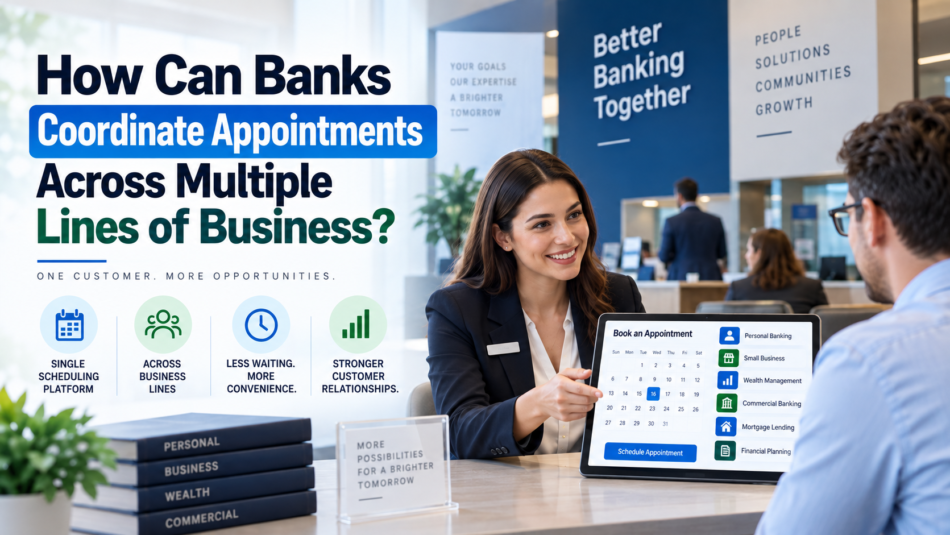
Banks can coordinate appointments across multiple lines of business by using a centralized appointment scheduling system that connects retail, commercial, lending, wealth management, and specialized banking teams while maintaining separate calendars, staff permissions, appointment types, and workflows.
This allows customers to book with the right department without having to navigate disconnected scheduling processes, while bank employees can manage appointments, referrals, availability, and follow-ups from a coordinated system.
A multi-LOB banking approach creates a connected scheduling experience without requiring every department to operate in exactly the same way. Each line of business can maintain control over its own operations while still sharing the information needed to move customers between services efficiently.
What Is Multi-LOB Banking?
Multi-LOB (Multi-Line of Business) banking lets banks manage multiple departments in one software system. These may include retail banking, wealth management, commercial lending, and mortgage services. Each department keeps its own workflows, responsibilities, and access controls while working through one coordinated platform.
For example, a customer may begin with a retail banker but need help from commercial banking or wealth management. Instead of requiring the customer to start the process again with another department, employees can coordinate the next appointment and make a direct handoff.
This approach helps banks move from isolated departmental scheduling to a more connected customer journey.
A strong multi-LOB model can support:
- Retail banking
- Commercial banking
- Wealth management
- Lending and mortgage services
- Business banking
- Other specialized financial services
Image Source: Coconut Software
1. Centralize Appointment Scheduling
The first step is to give employees and customers a coordinated way to schedule appointments across lines of business.
When departments rely on separate calendars, spreadsheets, phone calls, or email exchanges, employees may spend significant time determining who is available and which team should handle a request.
Appointment scheduling software for banks can bring these processes into a more structured environment. Banks can organize appointments based on service, employee, location, availability, and customer requirements.
A centralized scheduling process can help banks:
- Reduce manual scheduling work
- Improve visibility into employee availability
- Direct customers to the appropriate department
- Reduce scheduling errors
- Provide a more consistent booking experience
2. Connect Different Lines of Business
Customers rarely think about their financial needs according to the bank’s organizational chart.
A customer who visits a retail branch may also have commercial banking needs. A business owner may need personal wealth management services. A commercial client may require lending or treasury services. A multi-line-of-business banking strategy allows these connections to happen more naturally.
For example, a retail banker may discover that a customer owns a growing business. Instead of simply providing a phone number for the commercial team, the banker can help schedule an appointment with a commercial banking specialist.
The customer does not have to navigate the bank alone, and the commercial team receives a more direct referral.
3. Enable Cross-Booking Between Employees
Cross-booking is one of the most practical ways to coordinate appointments across multiple lines of business.
Authorized employees should be able to view appropriate availability and schedule appointments with specialists in another department when a customer’s needs require it.
For example:
Customer → Retail Banker → Commercial Specialist → Follow-Up Appointment
The retail banker identifies the customer’s business needs and schedules the next meeting with a commercial banker.
The same process can work between retail and wealth management:
Customer → Retail Banker → Wealth Advisor → Financial Planning Meeting
This eliminates unnecessary back-and-forth between employees and makes the referral part of the normal appointment workflow.
4. Give Employees the Right Customer Context
A customer should not have to explain the same situation repeatedly to different departments.
Shared customer profiles can give employees relevant context before an appointment, helping the next employee understand why the customer was referred and what service they are seeking.
However, shared information must be carefully controlled.
Banks should be able to determine:
- Which employees can access customer information
- Which departments can view specific information
- What information can be shared across lines of business
- Which actions each employee is authorized to perform
This allows banks to improve coordination while maintaining appropriate privacy, security, and compliance controls.
5. Match Customers With the Right Specialist
Not every appointment should go to the first available employee.
Different customer needs require different expertise. A mortgage inquiry may need a lending specialist, while a business expansion discussion may require a commercial banker. Investment and financial planning questions may need to be handled by a wealth advisor.
Bank appointment scheduling should therefore consider more than availability.
The scheduling process can be organized around:
- Appointment type
- Employee expertise
- Business line
- Branch or location
- Availability
- Service requirements
- Customer preference
This increases the likelihood that customers reach the right specialist without unnecessary transfers or additional appointments.
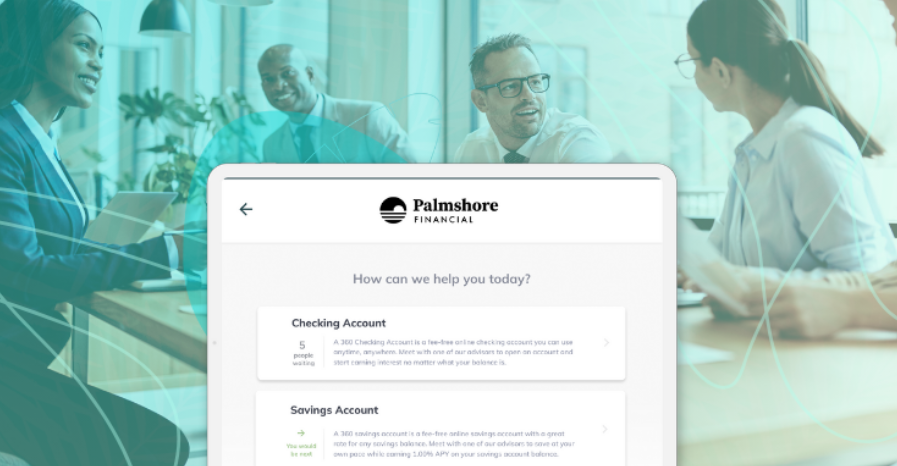
Image Source: Coconut Software
6. Make Cross-Department Referrals Easier
Manual referrals can create delays between departments. A banker may identify a customer who needs support from wealth management, but the customer may not follow up or know who to contact.
Multi-LOB scheduling helps make these referrals more actionable. Employees can connect customers with the appropriate department and help schedule the next step directly.
This creates a smoother handoff, reduces missed opportunities, and gives both employees and customers better visibility into the referral process.
7. Create One Consistent Customer Experience
Customers should not have to understand how a bank’s departments are organized to receive service.
If retail banking uses one booking process, commercial banking uses another, and wealth management relies on phone-based scheduling, the experience can feel disconnected.
A coordinated bank appointment scheduling strategy can create a more consistent process across the organization.
Customers can have a clearer path to:
- Identify the service they need.
- Select an appropriate appointment option.
- Connect with the right employee.
- Receive assistance if another line of business is required.
- Continue the relationship without restarting the process.
This creates a smoother experience while allowing each department to maintain its specialized workflow.
8. Track the Customer Handoff
Coordination should continue after an appointment is booked. Banks can establish workflows that make cross-line appointments easier to track from the initial referral through the scheduled meeting.
This creates better visibility into whether:
- A referral was accepted
- An appointment was scheduled
- The customer met with the specialist
- Additional follow-up was required
Tracking these steps can help identify gaps in the customer journey and give managers a clearer understanding of how different business lines work together.
What Should Banks Look for in Appointment Scheduling Software?
When evaluating appointment scheduling software for banks, financial institutions should look beyond basic calendar functionality.
Important capabilities can include:
- Multi-LOB scheduling
- Cross-booking between departments
- Role-based access controls
- Shared customer profiles with configurable visibility
- Employee availability management
- Appointment routing
- Referral tracking
- Multiple locations and channels
- Reporting and performance visibility
- Integration with existing banking systems
The right capabilities will depend on the bank’s size, organizational structure, security requirements, and customer service model.
The Bottom Line
Coordinating appointments across multiple lines of business starts with removing unnecessary barriers between departments.
A multi-LOB banking approach allows retail, commercial, wealth, lending, and other teams to work together while maintaining the controls each business unit needs. Centralized scheduling, cross-booking, controlled customer information, specialist matching, and referral tracking can make the process more efficient for employees and easier for customers.
The result is a more connected banking experience: customers can access the right expertise without having to navigate the bank’s internal structure themselves.


